The Reserve Bank of India does not prescribe a universal threshold for when pledged gold can be auctioned after missed EMI payments. According to Mint reports, Niyati Merchant, Associate Partner at MDP Legal, confirmed that RBI does not specify a specific number of missed EMIs before gold can be auctioned. The principal regulatory framework is the Reserve Bank of India (Lending Against Gold and Silver Collateral) Directions, 2025, issued on 6 June 2025 and amended on 29 September 2025, though it appears to be withdrawn with an implementation deadline of 1 April 2026.
Once any amount stays overdue beyond 90 days, the account becomes a non-performing asset (NPA), and recovery action, including auction, becomes a real possibility. As reported by Mint, Kapil Makhija, Founder and COO at MInEMI.ai, explained that the overdue period is calculated from the oldest unpaid instalment. Borrowers should prioritise clearing the oldest outstanding instalment to avoid crossing the 90-day threshold. Mukesh Pandey, Founder and MD of Rupyaapaisa.com, noted that the risk depends on loan terms, repayment timeline and lender's recovery policy, with borrowers typically receiving roughly four months and several written warnings before gold is at risk.
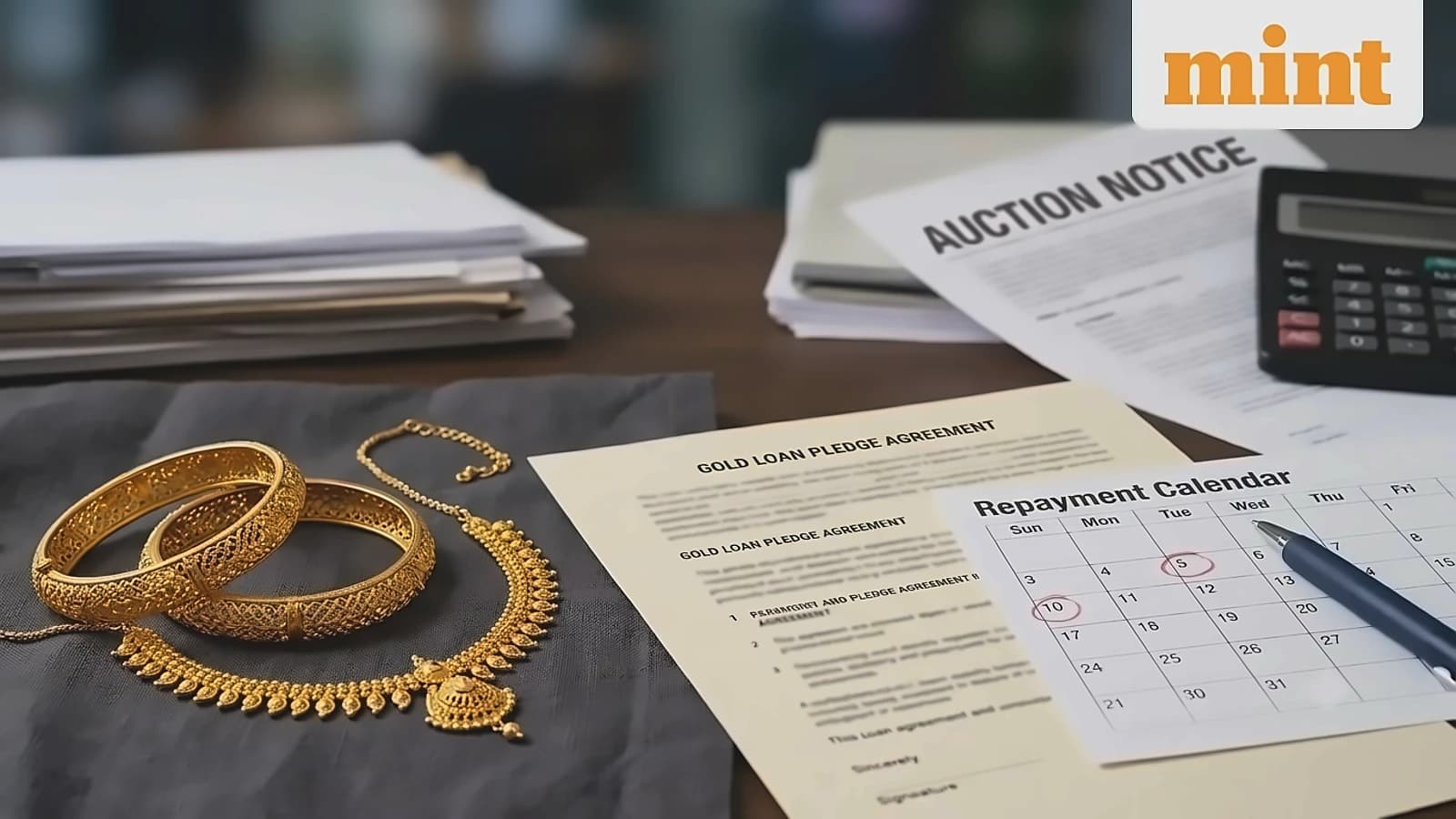
The recovery process follows a structured timeline with no uniform RBI-mandated schedule for reminders. According to Mint reports, the process includes days 1–30 with reminders and charges, roughly 30–90 days with demand notices, and final notice and auction warning stages. The borrower is informed that jewellery may be auctioned if dues remain unpaid, with one bank's policy providing for an auction date no earlier than 30 days after public notice. Some lender guides cite a written notice of at least 14 days before auction proceedings.
Pledged gold is sold through a public auction under the lender's board-approved policy, not melted down and sold privately. As reported by Mint, Makhija explained that borrowers' right to repay and take the jewellery back survives right up to the auction. For example, if pledged gold worth ₹3 lakh has outstanding dues of ₹2.2 lakh, a reserve price floor of 90% would put the auction starting price at around ₹2.7 lakh. The resulting surplus of ₹50,000 must be refunded to the borrower within 7 working days.
Borrowers retain the right to reclaim their pledged jewellery until the auction concludes, with clearance of dues at any time before sale returning ownership. According to Mint reports, Pandey advised borrowers to contact lenders promptly and obtain any agreed repayment dates in writing. The settlement process involves adjusting auction proceeds against outstanding loan amounts and applicable charges, with any surplus returned to the borrower as required by applicable rules. Borrowers should check their loan agreements and contact lenders promptly upon missing EMI payments.