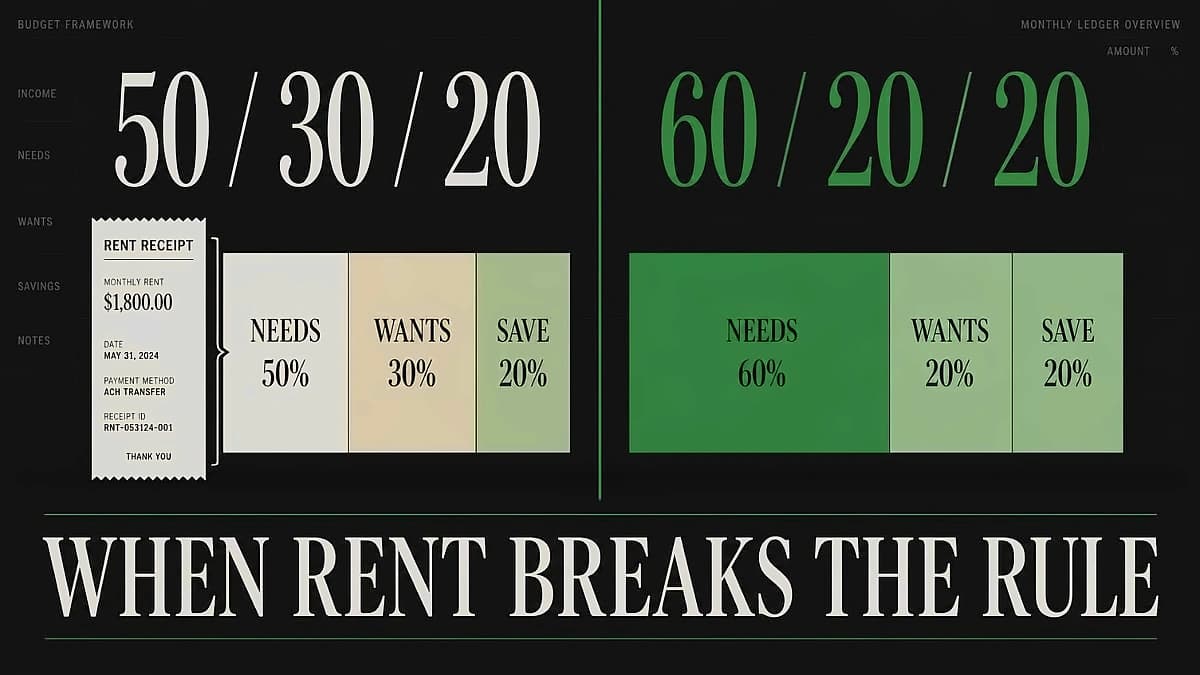
The 50-30-20 rule provides a structured approach for managing first salaries effectively. According to reports from Business Standard, this framework allocates 50% of take-home pay towards essentials such as rent, groceries, transport, utility bills and insurance premiums. The remaining 30% can be used for lifestyle expenses including dining out, shopping, entertainment, travel and hobbies. The final 20% should be set aside for building an emergency fund and investing for future goals. For example, with a monthly in-hand salary of ₹50,000, this translates to ₹25,000 for necessities, ₹15,000 for discretionary spending, and ₹10,000 for savings and investments. As per Money6x, this framework serves as a clear decision about what money should do, providing practical spending boundaries for beginners.

Before investing in stocks or mutual funds, focus on building an emergency fund equivalent to 3-6 months of expenses. As reported by Business Standard, if monthly spending is around ₹30,000, the emergency corpus should ideally be between ₹90,000 and ₹1.8 lakh. This money should remain accessible in savings accounts, liquid mutual funds, or short-term fixed deposits rather than volatile assets. The emergency fund serves to provide peace of mind and prevent temporary financial setbacks from forcing borrowing or withdrawing long-term investments at inopportune times. According to Money6x, this allocation should be treated as a starting point that can be modified based on real-world costs and individual circumstances.
Once the emergency fund is established, allocate 60-70% of investment money towards equity mutual funds through SIPs, as equities have historically delivered superior returns for goals at least five years away. According to Business Standard, another 20-30% can be allocated to relatively stable instruments such as PPF, recurring deposits, or debt mutual funds. The remaining 5-10% can be invested in gold through sovereign gold bonds, gold ETFs, or gold mutual funds for diversification. The ₹10,000 monthly investment at a 12% CAGR can grow to ₹99.9 lakh over 20 years, demonstrating the power of consistent investing. The exact allocation should reflect individual risk appetite and financial goals, with the key principle being early and consistent investment.
When receiving salary increases, invest at least half of every increment before adjusting lifestyle expenses. As reported by Business Standard, if monthly salary increases by ₹10,000, consider directing at least ₹5,000 towards SIPs or other investments. This strategy allows wealth to grow alongside income and prevents lifestyle inflation from eroding wealth-building potential. The objective is to ensure saving and investing become habits from the beginning of the earning journey. According to Money6x, the dependable route is to connect decisions to real goals, use conservative assumptions, take one manageable action and review evidence at sensible intervals.
The first five years of a career are critical for building healthy financial habits that shape long-term wealth creation. According to Business Standard, many young professionals make common mistakes including treating salary hikes as spending opportunities - allowing lifestyle expenses to rise in lockstep with income, delaying wealth creation by postponing investments until retirement appears decades away, ignoring the emergency fund by focusing on returns before building resilience, and accumulating bad debt through easy access to credit cards and consumer loans. Other common pitfalls include chasing trends instead of building assets by focusing on speculative investments, failing to plan for future milestones due to underestimating inflation's impact, and neglecting skill development while overlooking their biggest asset - their earning potential. The optimal allocation varies based on individual circumstances, with financial planners generally recommending saving and investing a meaningful portion from the very beginning rather than waiting for higher salaries.