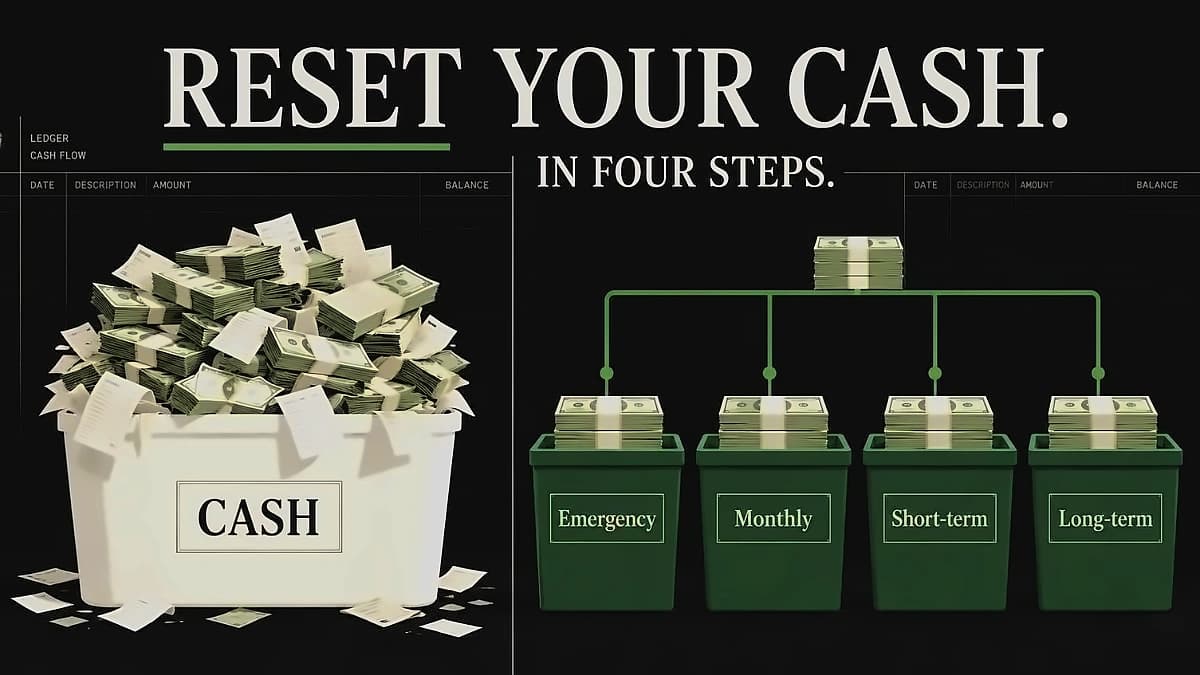
According to reports from Business Standard, the traditional formula of Income - Expenses = Savings often fails professionals who face the paycheck exhaustion cycle. Salaries typically hit accounts on the first of the month, with the next 10 days spent manually paying electricity bills, credit card dues, and rent. By the 15th, lifestyle spending begins, and by the 28th, accounts are empty with zero savings added. The solution involves flipping this formula to Income - Savings = Expenses, requiring a complete cash flow plumbing system.

As reported by Business Standard, the automation process begins with Step A: Automate savings by setting up a standing instruction to transfer 20% of salary to a separate savings account on the 2nd of the month. Step B: Automate investments should occur on the 5th of the month to ensure salary clearance, while Step C: Automate fixed bills handles rent, loan EMIs, and subscriptions through direct bank mandates. Step D: Automate variable bills requires setting maximum auto-debit caps to prevent overdrafts from unexpected charges.
According to the report, a permanent cash buffer of at least ₹20,000 must be maintained in the primary salary account to absorb timing mismatches. The system requires separating accounts between emergency savings and daily spending, with emergency funds held in completely different banks. SIP mandates should be activated with mutual fund platforms, while credit cards should be set to 'total due' rather than minimum amounts to avoid high-interest debt traps.
As reported by Business Standard, the step-up SIP feature automatically increases monthly contributions by 10% annually, starting with a base amount and scaling with salary hikes. This feature ensures wealth generation scales directly alongside career progression without manual adjustments. The system requires monthly monitoring for 10 minutes to review credit card statements for fraudulent charges and subscription price hikes, while maintaining the automated payment schedule.