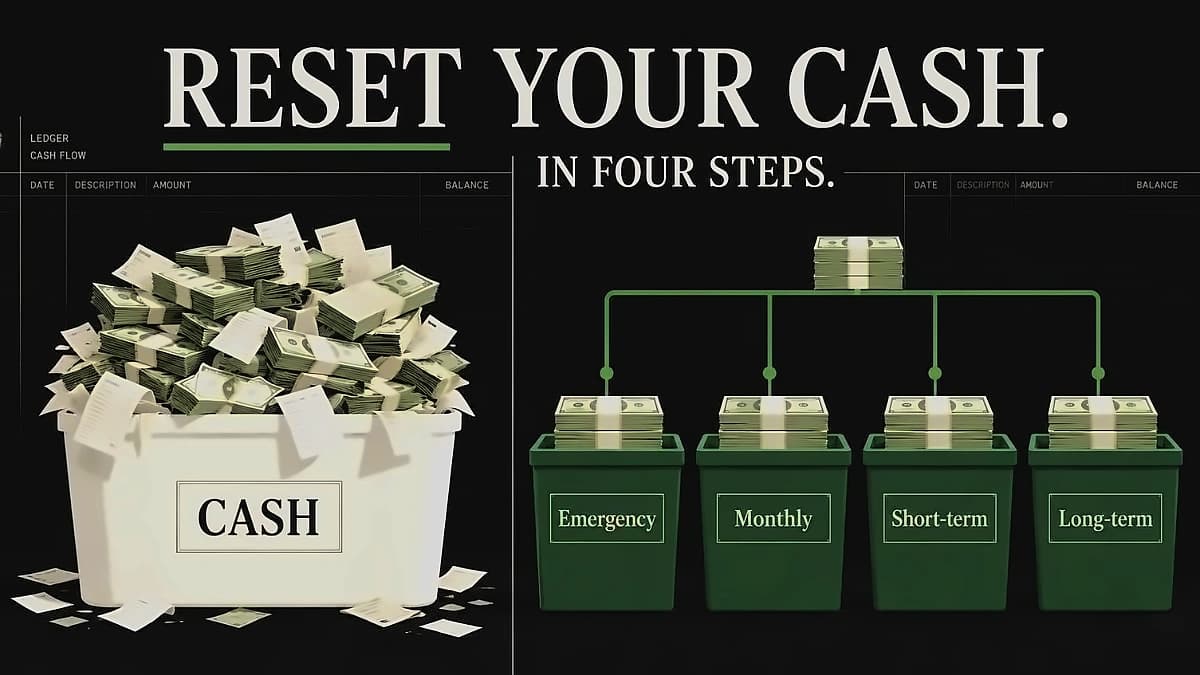



A comprehensive four-step cash flow reset strategy has been outlined to help investors build robust liquidity management systems. According to the framework, this approach focuses on creating liquidity tiers, establishing goal-based investment buckets, matching asset allocation to timelines, and conducting regular plan reviews. The strategy emphasizes systematic approach to cash flow management rather than reactive decision-making.
The first step involves building liquidity tiers to provide financial cushioning. As reported, this approach helps investors create multiple levels of emergency funds and short-term financial reserves. The strategy recognizes that different financial goals require varying levels of liquidity, from immediate emergency needs to medium-term financial objectives.
The second component focuses on creating goal-based investment buckets to align financial strategies with specific objectives. According to the framework, this approach involves segmenting investments according to their purpose, whether for short-term goals, medium-term objectives, or long-term financial aspirations. The strategy emphasizes that different goals require different investment approaches and timelines.
The third step involves matching asset allocation to timelines to ensure investments are properly aligned with their intended use. As reported, this approach helps investors select appropriate asset classes based on the time horizon of their goals. The strategy recognizes that different asset classes perform better at different time periods, making timeline alignment crucial for optimal returns.
The final component emphasizes regular plan reviews to maintain financial discipline and adapt to changing circumstances. According to the framework, this ongoing review process helps investors stay focused on their financial goals and adjust strategies as needed. The strategy recognizes that financial planning requires continuous monitoring and adjustment to remain effective in an evolving financial landscape.