A comprehensive analysis of Indian fund management reveals that 74% of actively managed funds underperformed their benchmarks over a 10-year period, according to latest market data. This performance gap highlights the significant challenges facing Indian fund managers in delivering superior returns to investors. The data underscores the ongoing debate within the financial planning community about the relative merits of active management versus passive investment strategies, with the latest figures showing an even more pronounced underperformance trend than previously reported.
Active portfolio returns represent the difference between managed portfolio returns and benchmark index returns, providing a clear measure of portfolio manager effectiveness. As reported by PyQuant News, active returns are calculated using the formula Active Return = Portfolio Return − Benchmark Return, with additional metrics including alpha (risk-adjusted excess returns), beta (market sensitivity), tracking error (consistency with benchmark), and information ratio (efficiency of risk management). Recent analysis of a portfolio achieving 12% returns versus 8% benchmark returns shows a 4% active return with 2% alpha and 1.1 beta, indicating effective risk-adjusted outperformance.
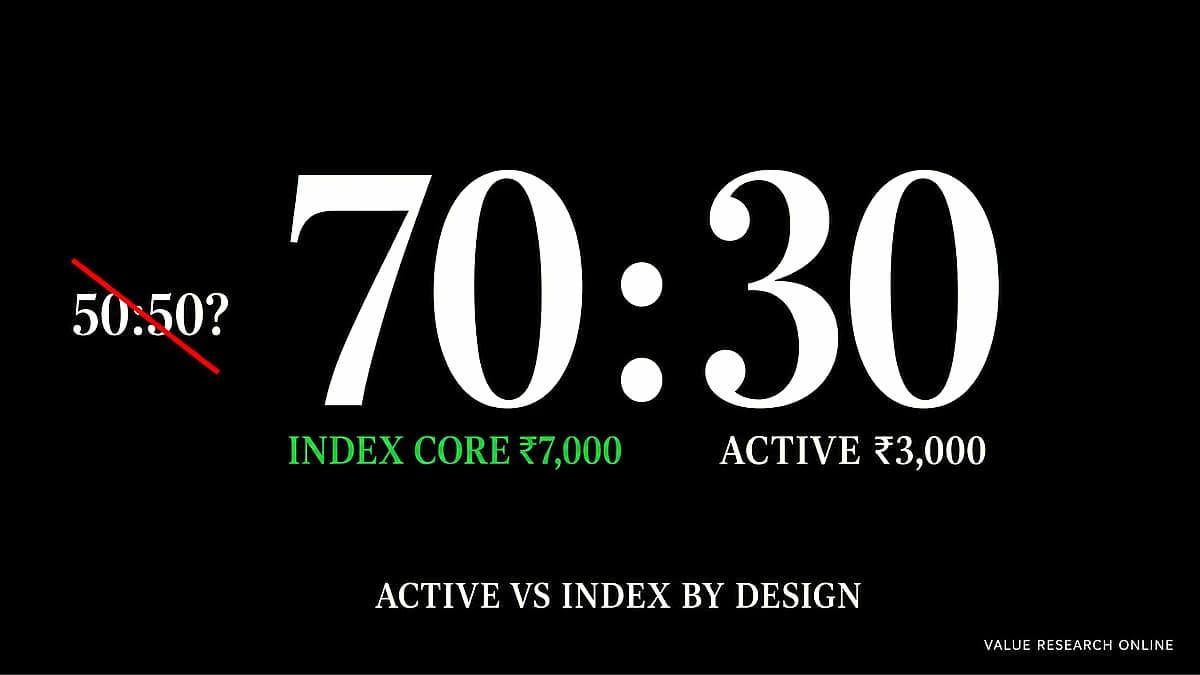
Rather than following blanket allocation percentages, investors are advised to approach fund selection on a category-by-category basis. As reported by [source], this approach allows for more nuanced decision-making based on individual fund characteristics, performance histories, and market conditions within specific investment categories. This framework becomes particularly important when evaluating active versus passive options, as category-specific analysis can reveal where active management may add value and where passive strategies may be more appropriate.
The allocation decision between active and index funds should be driven by strategic investment objectives rather than arbitrary percentage targets. According to the guidance from [source], investors should consider factors such as their risk tolerance, investment timeline, and specific financial goals when determining the appropriate mix of active and passive investment strategies. Understanding active returns provides crucial insights into these strategic considerations, as it allows investors to evaluate whether active management is generating sufficient value to justify higher fees and increased volatility.
This advisor debate occurs within the broader context of evolving investment landscape where both active and passive management strategies continue to evolve. As reported by [source], the ongoing discussion reflects the changing dynamics between traditional active fund management and the growing popularity of index-based investment products in the current market environment. The latest analysis underscores the importance of active returns as a vital metric for assessing investment portfolio performance and evaluating portfolio manager effectiveness in achieving superior returns, particularly given the challenging performance environment for Indian active fund managers.