Fixed Deposit laddering strategy involves dividing a lump sum investment across multiple fixed deposits with different maturity periods, rather than investing the entire amount in a single long-term deposit. According to reports from Mint, this approach enhances flexibility for withdrawals and allows for reinvestment at potentially higher rates if interest rates change during the investment period. The strategy becomes particularly relevant when the Reserve Bank of India maintains steady repo rates, as current FD rates could continue for some time, allowing investors to lock in prevailing returns without facing immediate rate changes.
The Reserve Bank of India has kept the repo rate unchanged at 5.25% in its April 2026 monetary policy committee meeting, marking the second consecutive policy review in which the central bank has maintained rates at the same level. As reported by Mint, in February as well, the RBI had held rates steady after cutting the repo rate by 25 basis points in December last year. This rate stability means current FD rates could continue for some time, allowing investors to lock in prevailing returns without facing immediate rate change.
For example, if you have ₹3 lakh to invest in a fixed deposit with an aim to earn assured and safe returns, the amount can be split across 1-year, 2-year, and 3-year FDs instead of a single one. According to Mint, if interest rates rise after one year, you won't have to prematurely break the entire FD to reinvest into a fresh deposit at higher rates. The latest FD rate comparison shows SBI offering 6.80% for 1-year and 7.00% for 2-year FDs, while HDFC Bank provides 6.60% for 1-year and 7.00% for 2-year deposits. ICICI Bank offers 6.70% for 1-year and 7.00% for 2-year FDs, with Kotak Mahindra leading at 7.10% for 1-year and 7.25% for 2-year deposits. For a ₹1,25,00,000 deposit for 5 years, the calculator shows an estimated maturity amount of ₹1.41 lakh at 7% p.a. compounded quarterly. The effective annual yield is slightly higher due to quarterly compounding, with a 7% FD compounded quarterly effectively yielding 7.19% annually.

Lenders in India typically levy a penalty ranging from 0.5% to 1% below the contracted interest rate, applied to the duration the funds were held. As reported by Mint, in certain scenarios, these breaking charges can be even more substantial, resulting in a final interest payout that is considerably lower than initially projected. For instance, if you have a ₹5 lakh FD earning 7% interest and break it after one year, you could lose over ₹2,500 in penalty - that's roughly 125 cups of chai or two months of your Netflix, Hotstar, and Spotify subscriptions combined. The interest calculation for prematurely withdrawn deposits deviates from standard procedure, with banks applying the rate that was valid for the specific tenure the deposit remained with the institution, rather than the original long-term rate.
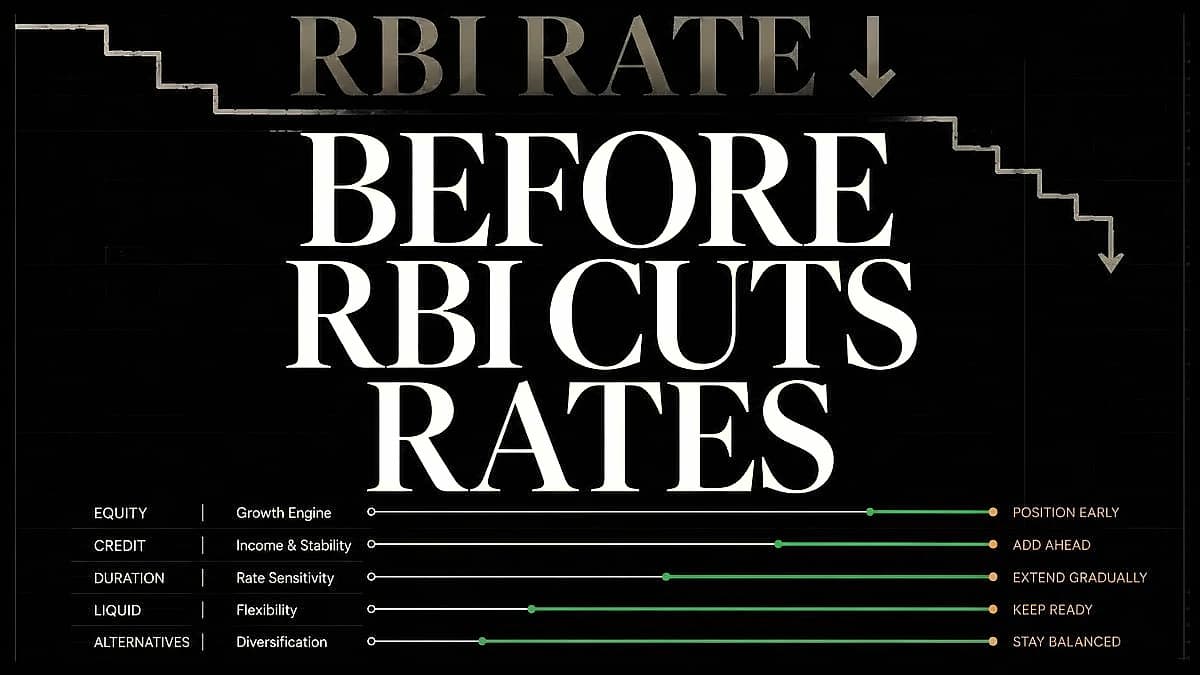
The repo rate and FD rates are directly linked, as the repo rate determines the cost of funds for banks. When the RBI raises the repo rate, banks often increase FD rates to attract deposits, allowing you to lock in higher returns. Conversely, when the repo rate falls, banks have cheaper access to funds, which usually leads to lower interest rates. According to Mint, investors can structure a mix of 1-year, 2-year, and 3-year FDs instead of locking the entire amount into a single tenure, providing portions of the investment to mature at regular intervals for flexibility in reinvestment at potentially higher rates. The smartest approach involves building a separate liquid emergency fund of 3-6 months of expenses in a savings account or liquid mutual fund to avoid breaking long-term FDs under pressure. Fixed Deposits are protected by DICGC insurance up to ₹5 lakh, making them an essential part of a conservative Indian portfolio in 2026.