According to DSP Mutual Fund's latest report titled 'How to take advantage of Polarization & Depolarization?', investors can use a simple 12-month ratio indicator to decide between Nifty 50 Equal Weight Index Funds and Nifty Top 10 Equal Weight Index Funds. The fund house explains that the Nifty 50 is market-cap weighted, with the top 10 stocks accounting for around 50-60% of the index. During polarization phases when these top stocks outperform the remaining 40 stocks, DSP suggests buying Nifty Top 10 Equal Weight Index Funds or ETFs. Conversely, during depolarization phases when the broader set of Nifty 50 stocks performs better, investors should consider Nifty 50 Equal Weight Index Funds or ETFs. The Nifty Top 10 Equal Weight Index comprises the 10 largest Nifty 50 stocks by market capitalisation, with each stock assigned an equal weight, while the Nifty 50 Equal Weight Index gives equal weight to all 50 stocks in the index.
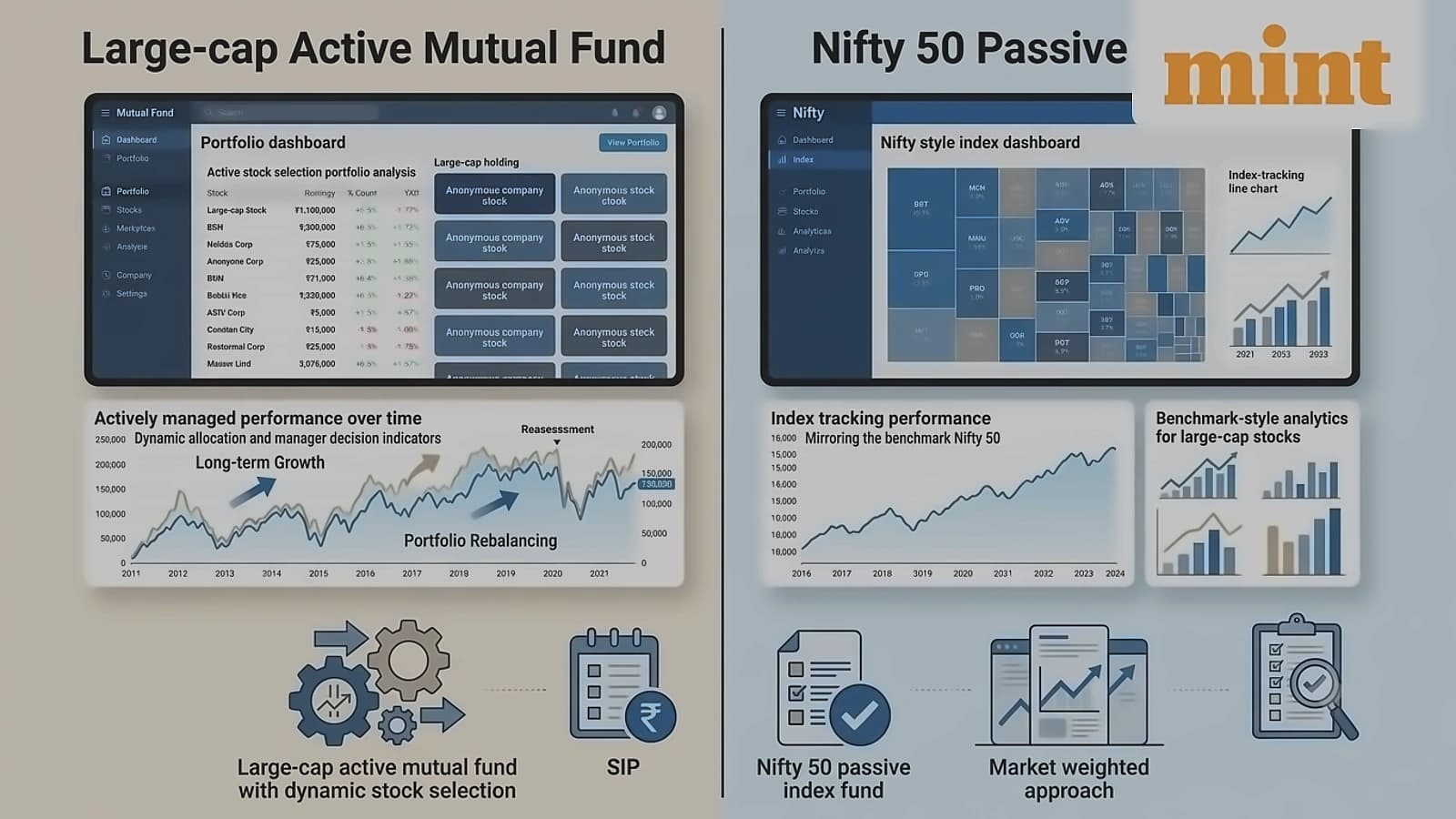
According to Harsh Vardhan Dawar, ACA, CFA, FRM, Founder of Wealth Cafe, investors should categorize all portfolio investments by passive or active strategy and by market-cap segment - large, mid, or small cap. As reported by Mint, this systematic approach helps investors maintain clarity in their investment approach and avoid overlapping strategies. Rajan Sarkar, Director & Unit Head, Anand Rathi Wealth Limited, recommends that investors focus on domestic equity with a diversified allocation across market capitalisations, maintaining 50 to 55% in large caps, 20 to 25% in mid caps and the balance in small caps to ride all market cycles smoothly. For new investors considering both Nifty 50 index funds and active large-cap funds, Dawar suggests allocation should align with portfolio strategy. As reported by Mint, risk-averse investors may prefer Nifty 50 index funds due to their passive approach, while riskier investors can consider actively managed large-cap funds.
All Nifty 50 and equal-weight index funds are currently in the red over the past year, making it crucial for investors to understand when equal-weight strategies could work better. According to DSP's analysis, their model has remained invested in the Nifty 50 Equal Weight Index since November 2025, with the indicator remaining below its 12-month moving average, signaling that the depolarization phase is still intact. This means the broader 40 stocks are currently outperforming the top 10 stocks in the index, making Nifty 50 Equal Weight Index Funds suitable for the current phase. The 12-month ratio indicator helps investors track the ratio of the Nifty Top 10 Equal Weight Index to the Nifty 50 Equal Weight Index, with the ratio above its 12-month moving average indicating polarization and below indicating depolarization. For international diversification, a simple approach combines 70-80% Indian equity index funds with 20-30% international equity, as recommended by HDFC Sky, though the appropriate allocation depends on individual financial goals and investment horizon.
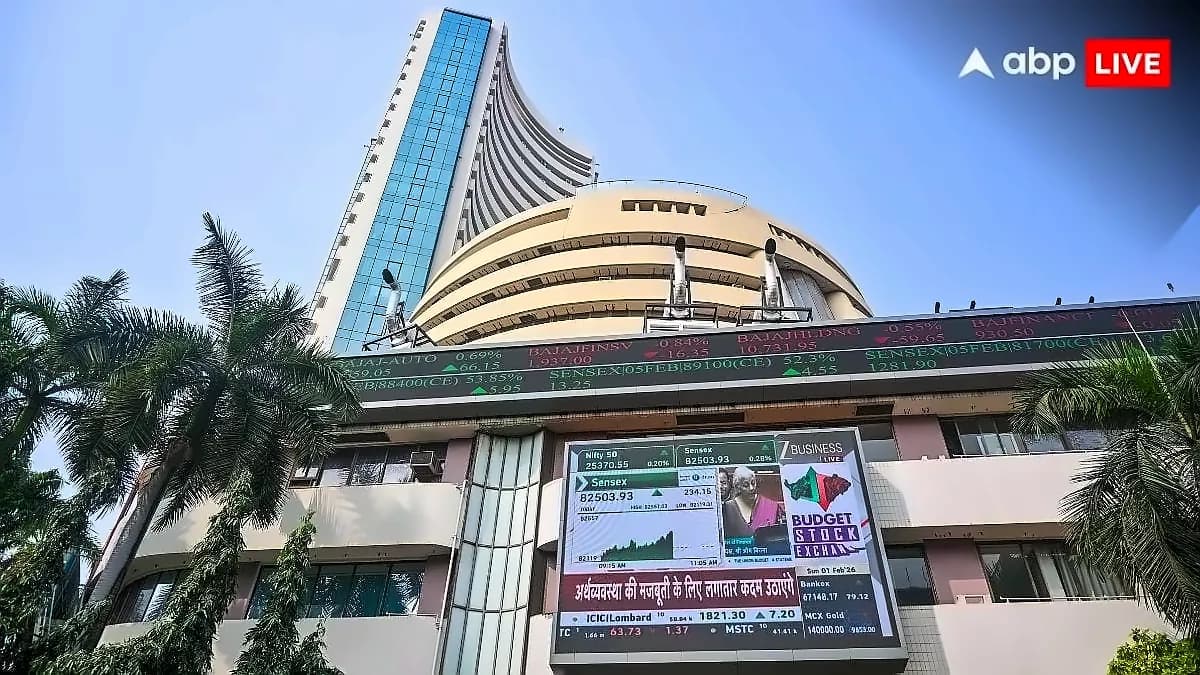
Recent market data shows that the Nifty 50 was trading around 22,423 on Thursday, down nearly 198 points or 0.87% intraday, with the index losing nearly 7% over the past month. The selloff follows seven straight weeks of losses, driven by rising crude oil prices, geopolitical tensions, weak global cues and continued foreign fund outflows. According to Investing.com India, the landscape has flipped over the last few years with 5-year and 10-year Treasury note yields at 5.10% and 5.25% respectively, while the Shiller CAPE ratio stands at 41.50, near the all-time high of approximately 44 set in December 1999. The forward 12-month P/E of 19.1 as of September 18 is in line with the 10-year average but well above TINA-era multiples, with forward earnings yield equal to the 10-year Treasury yield - basically investors are getting paid zero premium for owning risky stocks. The equity risk premium has vanished, with CAPE earnings yield less the 10-year TIPS yield showing equity investors accepting a 50 basis point negative real equity risk premium. TIGA doesn't mean sell equities - it means there is a good alternative, and investors should consider rebalancing toward targets, revisiting bond roles, and matching risk to time horizon.
As reported by Mint, SIP remains the preferred investment route for both Nifty 50 index funds and large-cap funds, according to Dawar's analysis. However, investors who actively manage their portfolios and track market valuations can consider lump-sum investments. The expert emphasizes that the key to success lies in maintaining asset allocation rather than frequent strategy changes, recommending that investors stick to their planned allocation across debt, equity, and different market-cap segments. Within Indian equities, investors should focus on businesses with sustainable earnings growth, strong balance sheets, healthy cash flows and reasonable valuations rather than chasing short-term momentum, as recommended by The Economic Times. For international diversification, investors should focus on developed-market indices for broader geographical diversification or global indices for exposure across developed and emerging markets, while comparing expense ratios and tracking performance before investing. As Investing.com India notes, TIGA doesn't mean sell equities - it means there is a good alternative, and investors should consider rebalancing toward targets, revisiting bond roles, and matching risk to time horizon.