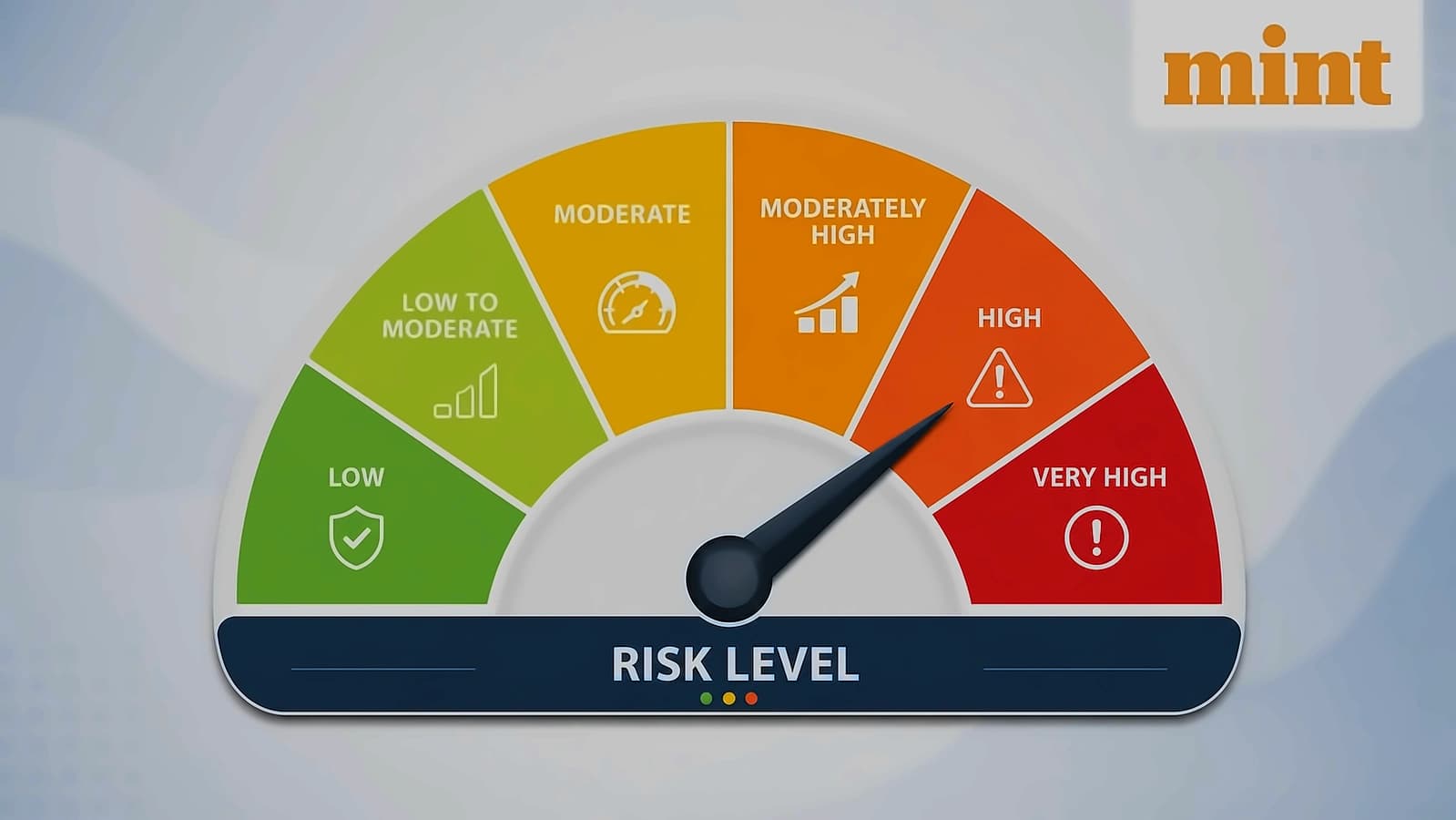
Determining your risk appetite begins with evaluating your financial position comprehensively. Aditya Agarwal, Co-Founder of Wealthy.in, explains that investors with secure income, adequate contingency reserves, and long investment horizons can generally afford higher investment risk. Thomas Stephen, Director & Head at Anand Rathi Share and Stock Brokers, emphasizes that availability of good emergency corpus or adequate insurance cover provides comfort for investing in asset classes accordingly. However, Karan Aggarwal, Co-Founder & CIO of Ametra PMS, notes that lower savings rates below 30% and high monthly EMI/income ratios above 30% reduce risk-taking capability significantly.
Your age and time remaining to achieve financial goals are among the biggest determinants of risk appetite. Stephen explains that elderly individuals or those approaching retirement may be more focused on capital preservation, while young investors typically show greater willingness to take risks. Aditya Agarwal advises that money required within three years should be invested conservatively, whereas investments for goals 10-15 years away can generally withstand greater exposure to growth assets like equities. As reported by Mint, usually as financial goals draw nearer, investors tend to shift toward capital preservation strategies.
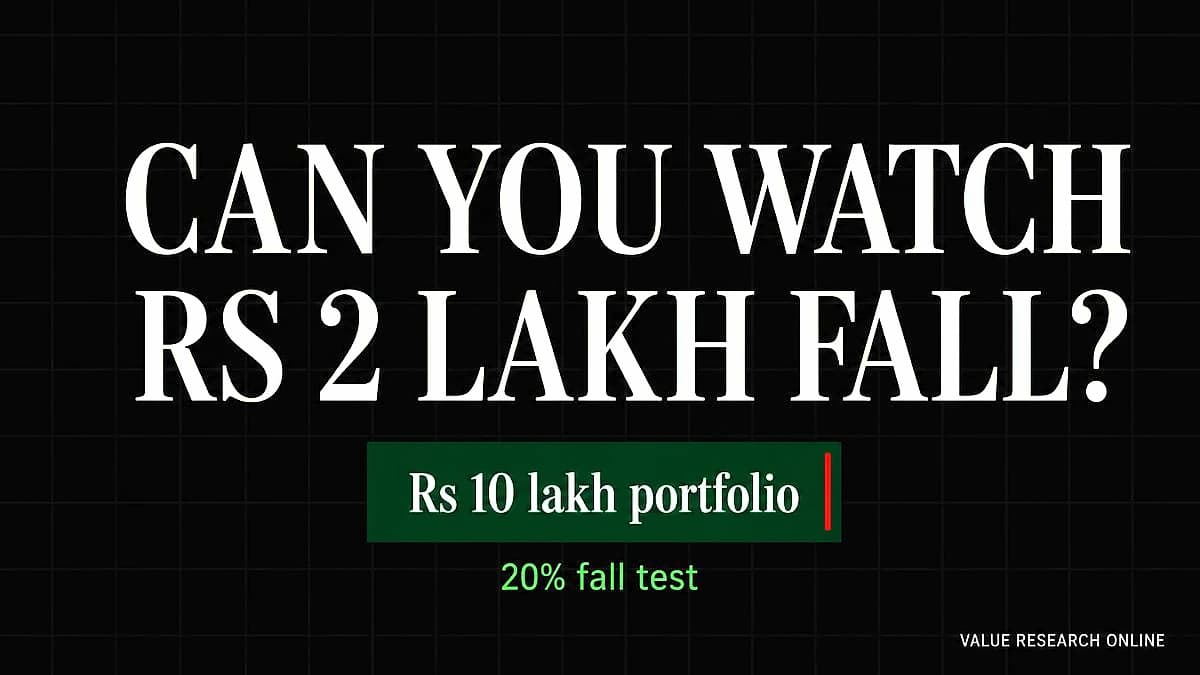
Risk appetite extends beyond financial capacity to include emotional tolerance for market volatility. Aditya Agarwal advises investors to assess their reaction to potential portfolio declines of 10%, 20%, or even 35% during market corrections. Karan Aggarwal notes that retail investors are often driven by return considerations and tend to exit investments at losses during negative risk events. Understanding your emotional response can help avoid taking more risk than you can comfortably handle during market downturns.
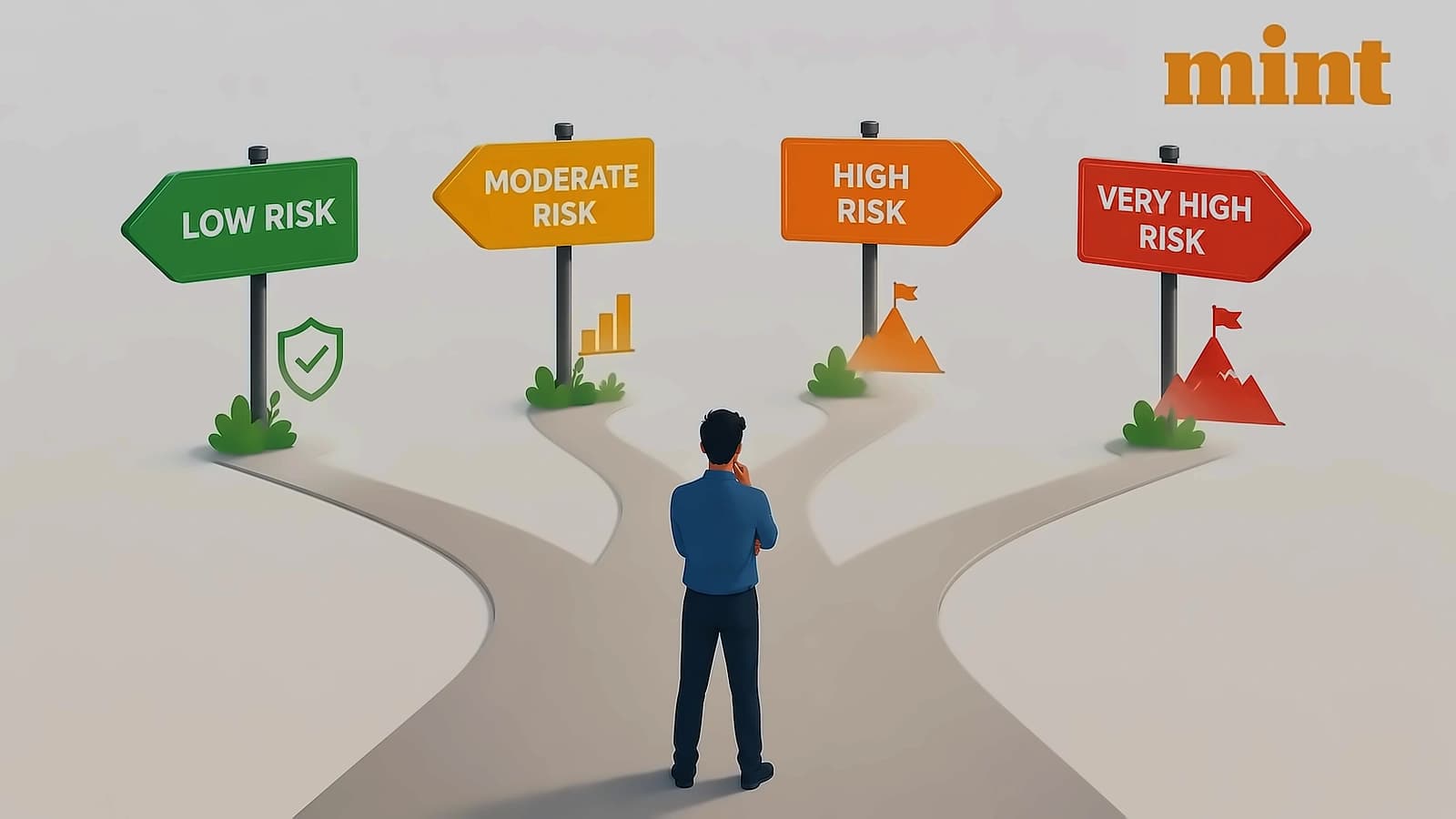
Experts suggest a comprehensive framework for portfolio allocation based on risk levels. According to the guidelines, very low risk investors should allocate 0-10% to mutual funds and stocks, 80-90% to fixed deposits, debt funds, and government securities, with 5-10% in gold. Low risk investors can consider 30-40% in equities and 35-45% in fixed income instruments. Moderate risk profiles typically allocate 50-60% to equities, 25-35% to fixed income, and 10-15% to gold. High risk investors may consider 70-80% in equities, 10-15% in fixed income, and 10-15% in alternative investments like REITs and InvITs. Very high risk profiles can allocate 80-90% to equities with smaller allocations to private equity and real estate.
Your investment experience and market knowledge should shape your risk profile significantly. Aditya Agarwal emphasizes that different goals warrant different levels of risk, with experienced investors better positioned to understand market cycles and associated risks. Thomas Stephen notes that higher market knowledge aids in better understanding of investment risks. The objective, as concluded by experts, is not to maximize returns at all costs but to build a portfolio that investors can maintain through both bull and bear markets, avoiding costly mistakes during market volatility.