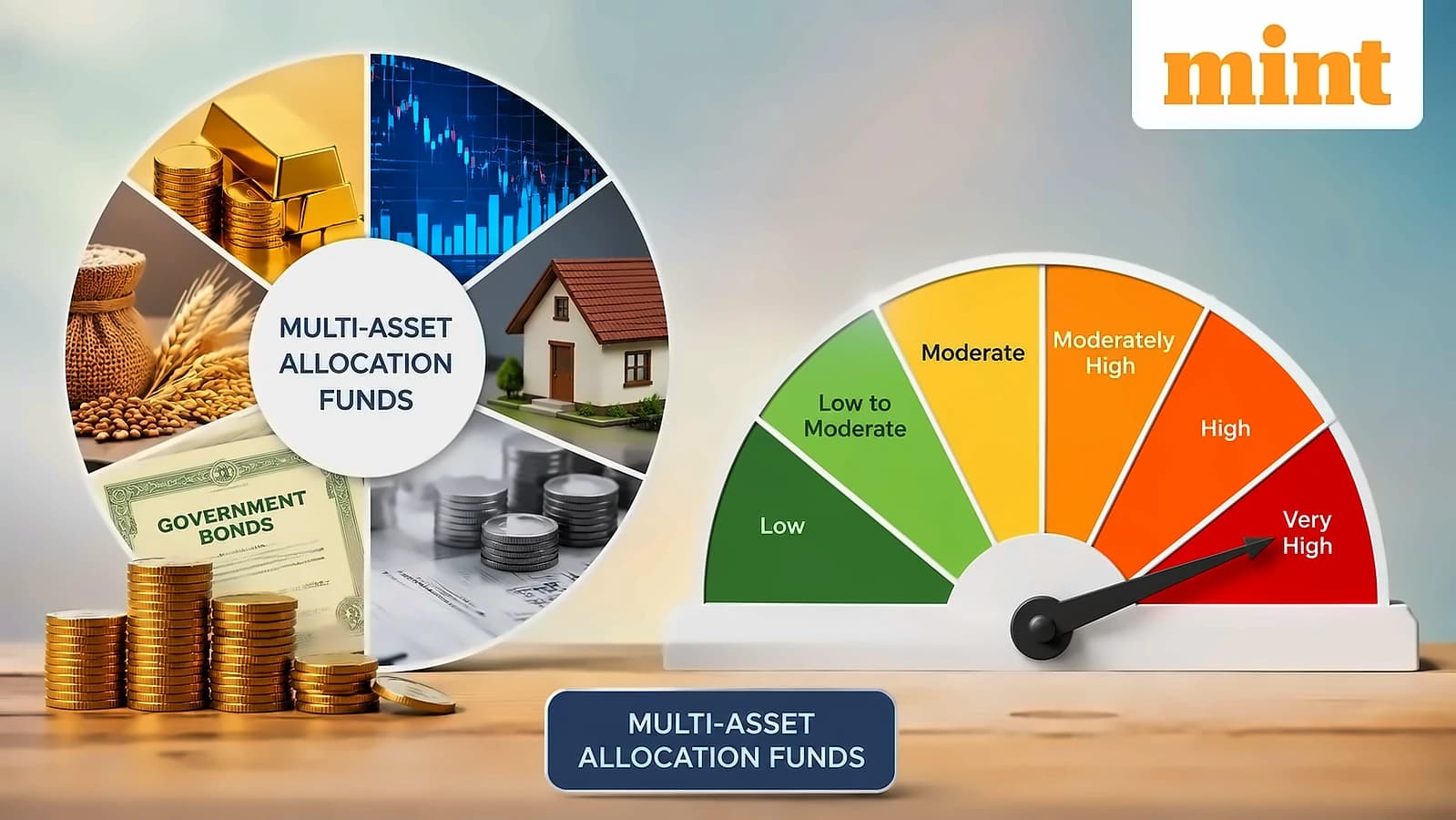
The riskometer is a visual risk indicator that reflects the overall risk associated with a mutual fund scheme, serving as a standard framework for investors to compare risk levels across different funds. According to reports from Mint, every mutual fund scheme, regardless of whether it invests in equities, debt instruments or a combination of both, discloses its riskometer in the scheme information document, fact sheet and other investor communication. The riskometer categorizes mutual fund schemes into six risk levels based on the nature of their underlying investments, market volatility, credit quality and interest rate sensitivity. As per Bajaj Finance Limited, investors should evaluate schemes not only on product labeling including the Riskometer but also on other quantitative and qualitative factors such as performance, portfolio composition, and fund managers before making investment decisions.
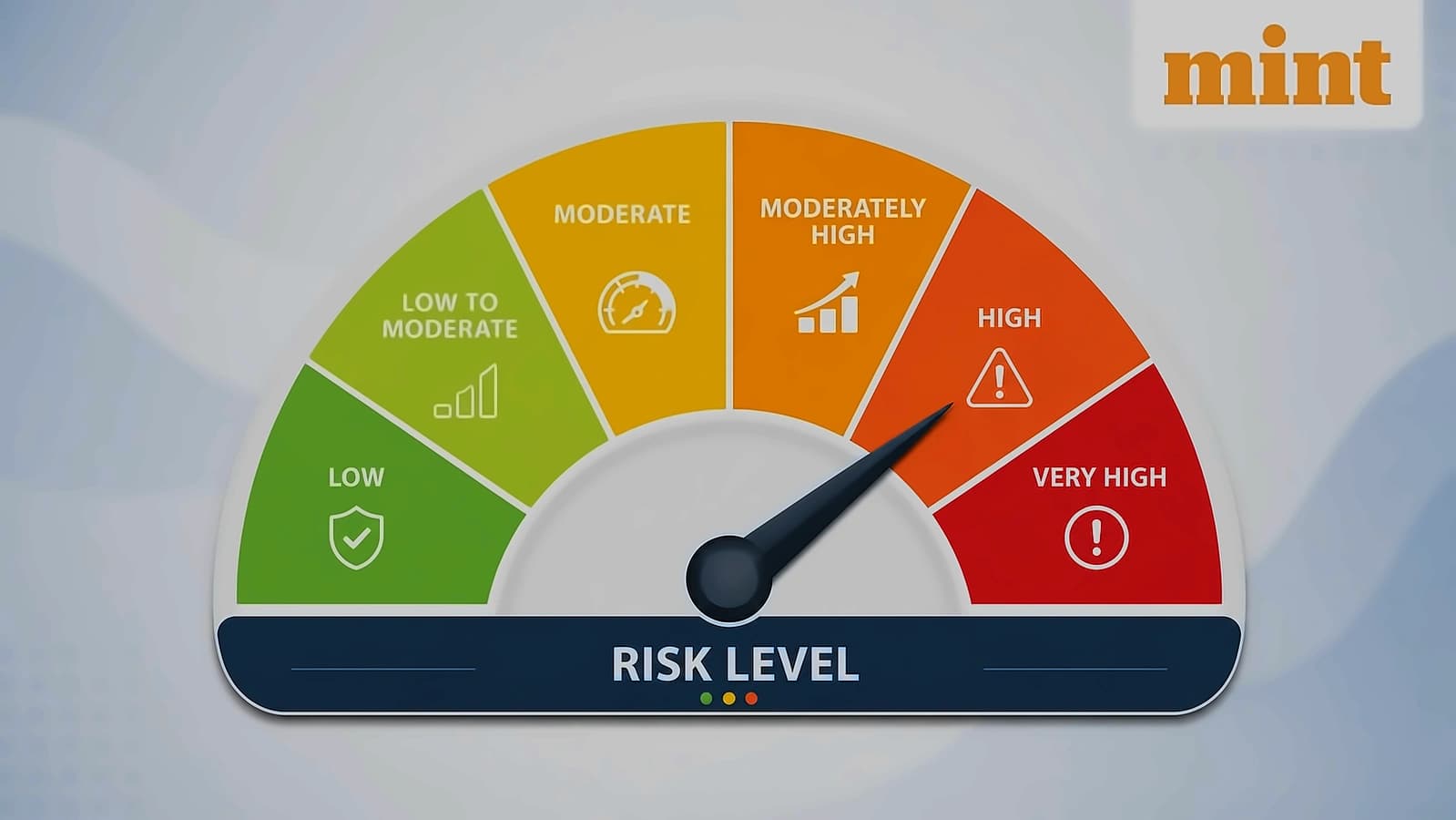
The riskometer categorizes schemes as follows: 1. Low - funds considered the least risky, primarily investing in stable debt instruments suitable for capital preservation. 2. Low to Moderate - slightly higher risk with aim to generate higher returns than low-risk funds. 3. Moderate - balances stability and growth potential for measured risk-takers. 4. Moderately High - greater exposure to market movements for higher risk appetite investors. 5. High - significant equity exposure with sharp short-term price fluctuations, best suited for long investment horizons. 6. Very High - highest risk level for aggressive investors understanding substantial gains and losses. According to Bajaj Finance Limited, funds having higher risk than their benchmarks require careful evaluation before investment.
As reported by Mint, two mutual funds belonging to the same category do not always have identical riskometer ratings. This variation occurs due to factors such as portfolio composition, duration, credit quality and cash allocation. For example, both ICICI Prudential Gilt Fund and Franklin India Government Securities Fund are Gilt funds tracking the Nifty All-Duration G-Sec Index, but have different riskometer ratings. ICICI Prudential Gilt Fund is classified as moderate with 99.02% in debt securities and 0.98% in cash, while Franklin India Government Securities Fund has 45.93% in debt securities and 54.07% in cash equivalents. According to Bajaj Finance Limited, investors should evaluate schemes based on factors such as performance, portfolio composition, and fund managers before making investment decisions.
Both multi-cap and focused equity funds fall under the 'Very High Risk' segment as per SEBI's Riskometer due to 100% equity exposure. Multi-cap funds must invest a minimum 25% each in large-cap, mid-cap, and small-cap stocks as per SEBI norms, ensuring mandatory diversification across market caps. In contrast, focused funds can hold a maximum of 30 stocks only, creating a concentrated portfolio with higher concentration risk. As per SEBI regulations applicable in 2026, multi-cap funds must invest at least 75% of their total assets in equity and equity-related instruments, while focused funds must maintain at least 80% exposure to equities. According to Bajaj Finance Limited, investment decisions should be made after evaluating schemes on multiple factors including product labeling, performance, portfolio composition, and fund managers.
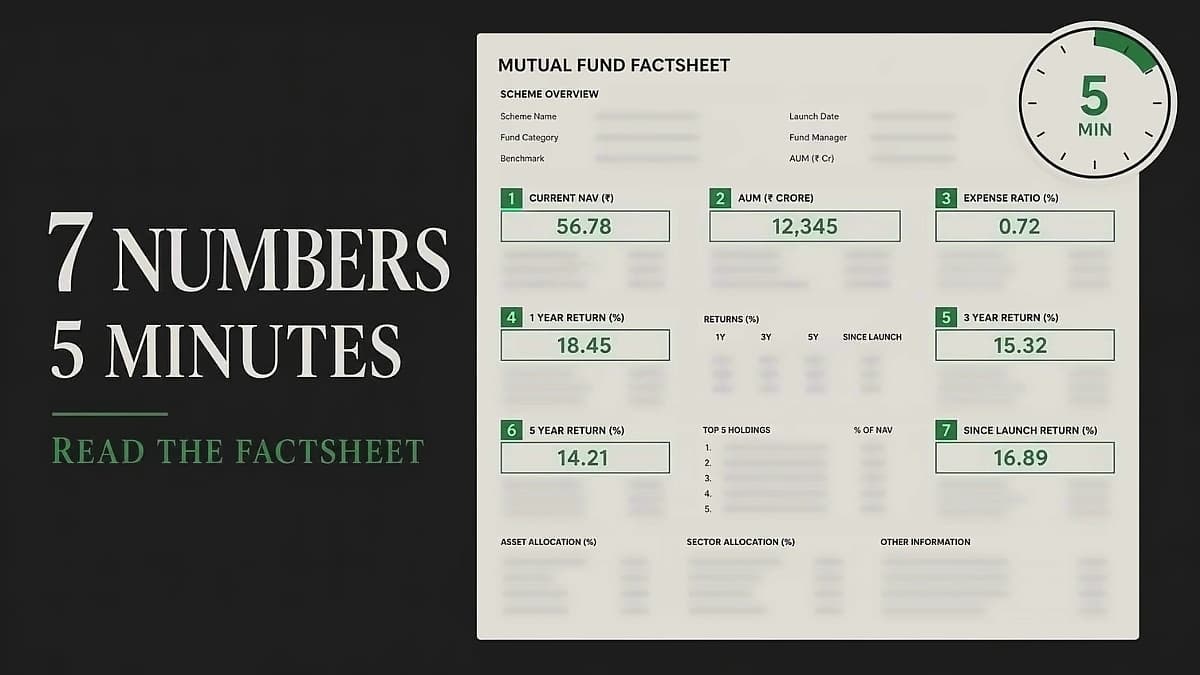
According to Mint, investors can find the riskometer in monthly fact sheets published by asset management companies, the Scheme Information Document or on SEBI-registered mutual fund investment websites. The riskometer provides a pointer indicating the scheme's current risk level, ranging from low to very high. Mutual fund houses also disclose the riskometer of the benchmark index, helping investors compare whether the fund is more or less risky than its benchmark, with funds having higher risk than their benchmarks requiring careful evaluation before investment. For taxation purposes, both multi-cap and focused equity funds have identical tax treatment with 20% STCG for holdings ≤12 months and 12.5% LTCG above ₹1.25 lakh exemption for holdings >12 months. As per Bajaj Finance Limited, investors should consult their professional advisors if unsure about scheme suitability before investing.