According to a comprehensive analysis by Livemint, the cost comparison between Maruti Suzuki Brezza (₹9.5 lakh) and Tata Nexon EV variants (₹13.28-₹14.48 lakh) reveals surprising financial outcomes. The analysis, conducted using ChatGPT, compares two base variants in India's sub-4-metre car segment over a 5-year ownership period. For the high-usage scenario of 5 days per week commuting, the 30 kWh Nexon EV shows a total cost of ₹15.91 lakh compared to ₹15.53 lakh for the Brezza, while the 45 kWh variant costs ₹17.11 lakh. However, at lower usage levels of 2 days per week, the Brezza emerges as the clear winner with total costs of ₹12.87 lakh versus ₹15.44 lakh for the 30 kWh EV and ₹16.64 lakh for the 45 kWh variant.
The analysis reveals significant differences in operational costs between the two vehicle types. According to the report, running costs per year range from ₹35,400 for the Brezza to ₹6,240 for the 30 kWh EV and ₹6,240 for the 45 kWh variant. Over the 5-year period, running costs total ₹1.77 lakh for the Brezza, ₹0.31 lakh for the 30 kWh EV, and ₹0.31 lakh for the 45 kWh variant. The report notes that EVs offer approximately 6x cheaper running costs per kilometer compared to petrol vehicles, but this advantage is offset by higher upfront costs at current usage levels.
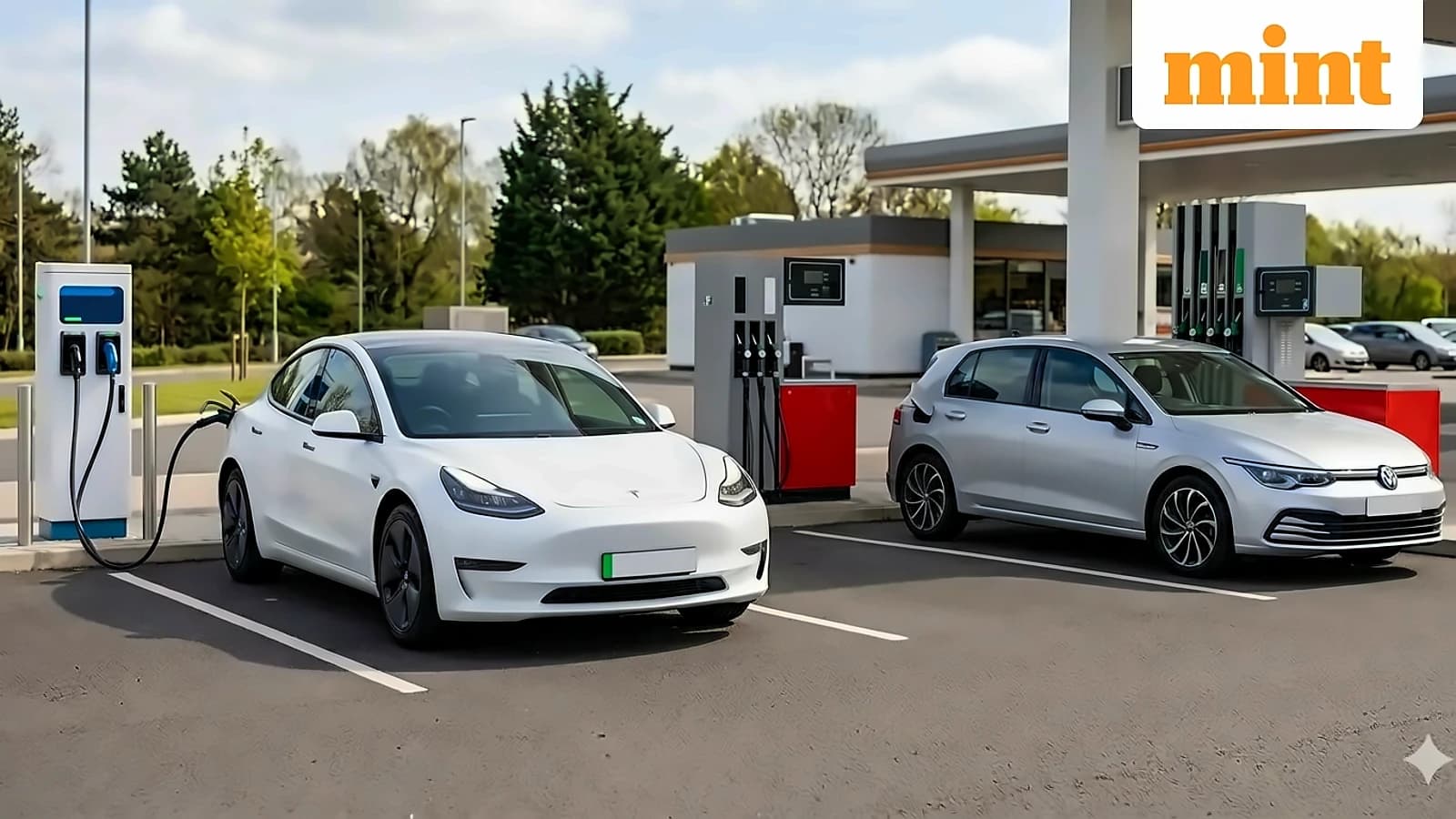
The financial analysis demonstrates that usage patterns significantly influence EV viability. As reported by Livemint, at low usage levels of 2 days per week, the Brezza wins clearly due to smaller fuel savings that cannot recover the higher upfront EV cost. Conversely, at high usage of 5 days per week, the 30 kWh EV becomes only marginally more expensive, while the 45 kWh variant remains noticeably more costly. The report indicates that EVs become financially viable only when annual driving exceeds approximately 15,000-18,000 kilometers consistently, or when electricity costs remain low while petrol prices rise significantly.
The analysis comes as petrol prices have crossed the ₹100 per litre mark in almost every Indian city, directly impacting household budgets and commuting costs. According to Livemint, this current fuel situation has prompted many drivers to consider electric vehicles as a cost-saving alternative. The comparison uses realistic Indian market estimates, including petrol price of ₹102.12 per litre in Delhi and electricity cost of ₹8.00 per unit (kWh) for the EV calculations. The report emphasizes that while EVs offer environmental and operational advantages, pure cost considerations favor petrol vehicles at current usage levels in the Indian market.