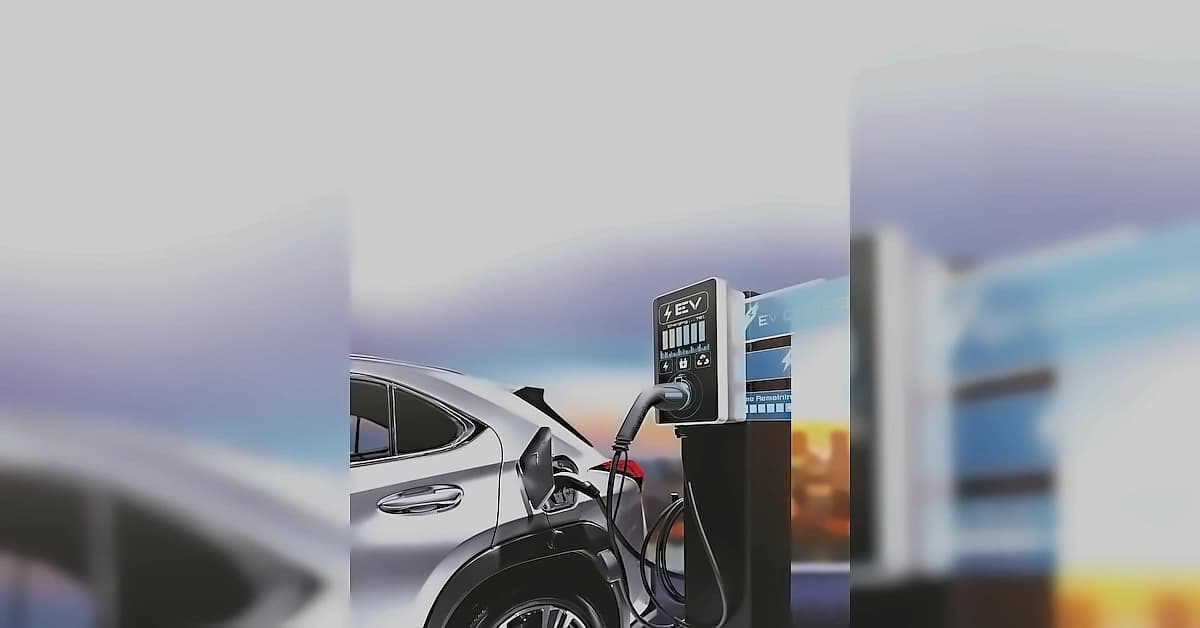
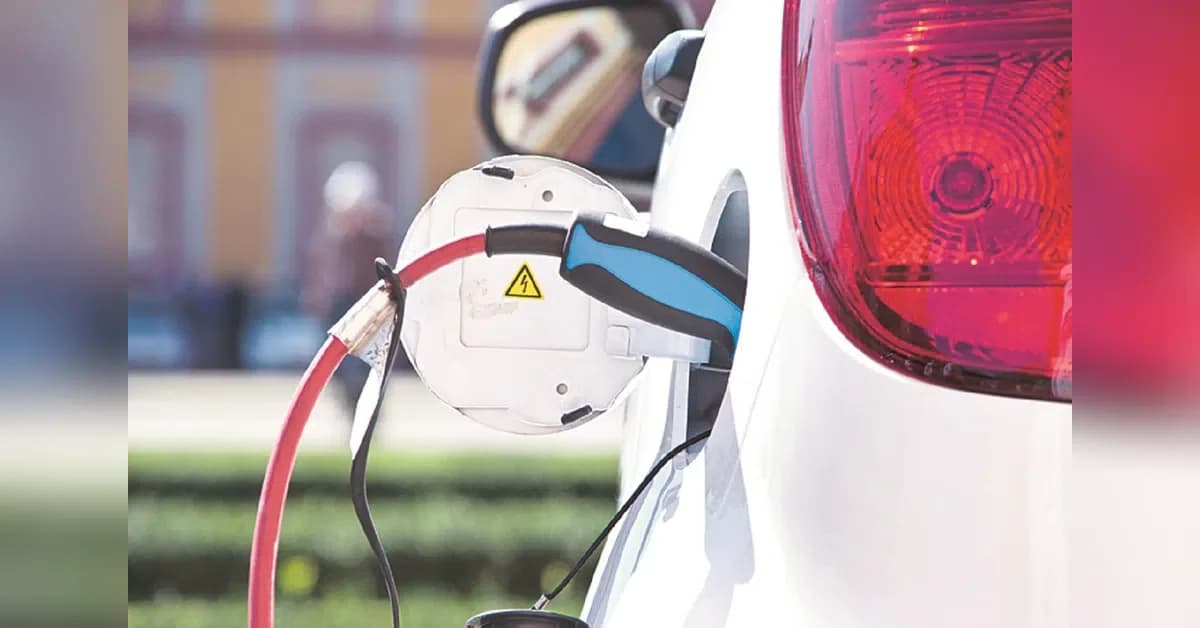
Section 80EEB of the Income-Tax Act provides a deduction for interest on loans for electric vehicle purchases, up to ₹1.5 lakh, under the old tax regime. According to reports from Mint, this tax benefit was implemented by the Centre to encourage EV adoption in India, promote the sector among ordinary citizens, and bring about a shift for the auto industry. The deduction is specifically designed to support individuals in transitioning to electric mobility through financial incentives.
The tax benefit comes with specific eligibility requirements that limit its accessibility. As reported by Mint, the loan approval period is capped between 1 January 2019 to 31 March 2023. The deduction is exclusively available to individual taxpayers under the old tax regime, with taxpayers including Hindu Undivided Family (HUF), firms, partnerships, companies, or associations of persons (AOP) unable to claim this benefit. The rebate is one-time only and cannot be used for purchase of multiple EVs, according to a Tax Buddy report.
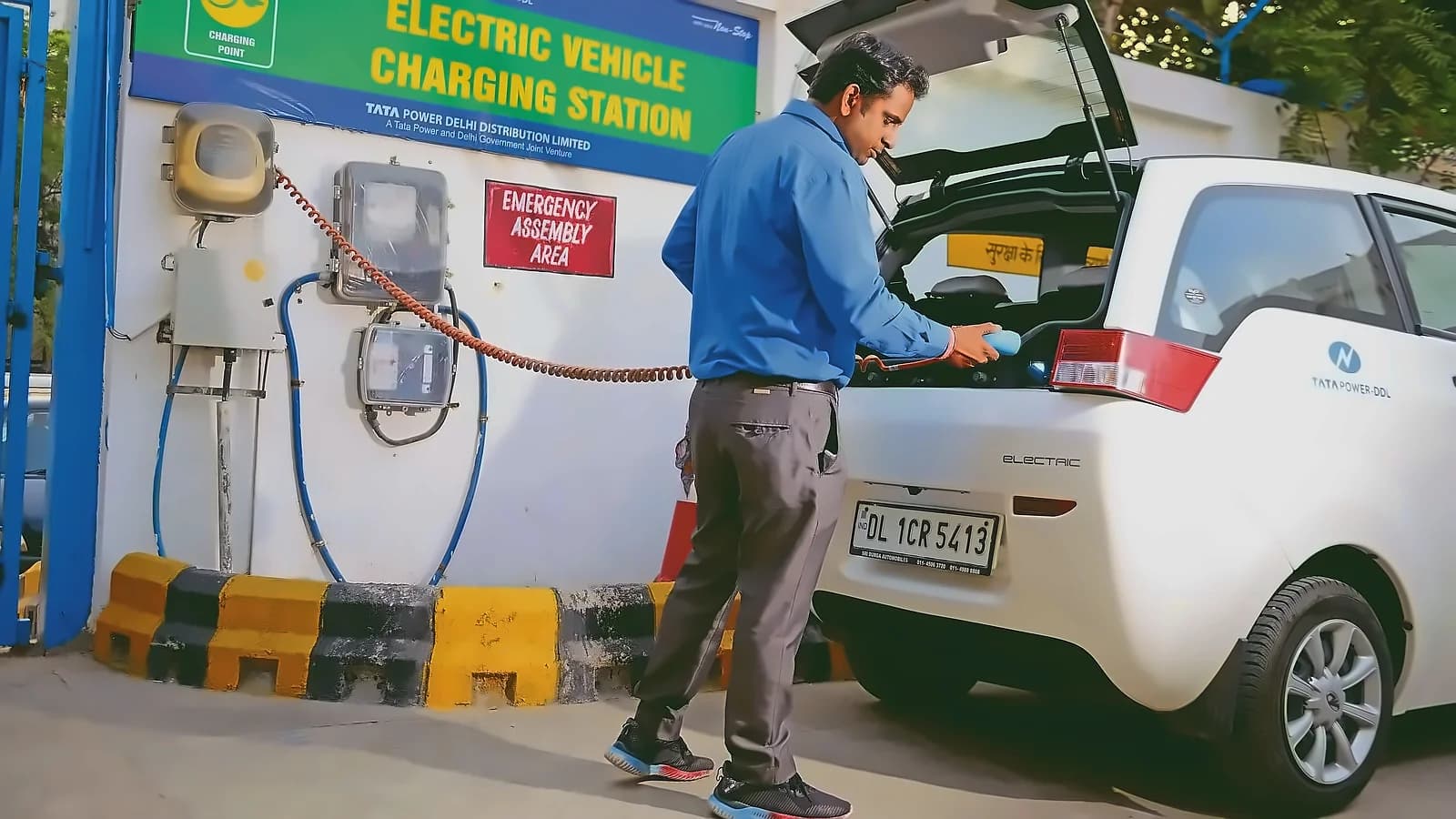
The deduction applies to loans specifically for EV purchases from banks, financial institutions, or NBFCs. According to Clear Tax reports, EVs must be fully powered by an electric motor and traction battery system, with electric regenerative braking systems that convert vehicle kinetic energy into electrical energy during braking. The deduction is available for both salaried taxpayers purchasing EVs for personal use and for business use by salaried individuals, provided the purchaser and taxpayer are the same person.
Taxpayers must submit comprehensive documentation when claiming this deduction. As reported by Mint, you will need to provide interest-paid certificate and other proof including tax invoice and loan documents when filing income-tax returns (ITR). The loan must be specifically for EV purchase from a bank, financial institution, or NBFC. Additionally, taxpayers must maintain detailed records of vehicle usage, fuel expenses, maintenance costs, and other relevant documents to support their tax claims.
For non-EV purchases, self-employed or business owner taxpayers can claim car loan deductions under Section 80D as business expenses. According to Mint, if a car is used 60:40 for business vs personal reasons, only 60% of expenses can be claimed when filing taxes. Car owners can also claim depreciation on the asset based on applicable rates and deductions for fuel and maintenance purposes of the business asset. These benefits are available under both old and new tax regimes, requiring detailed usage records and interest certificates from banks.