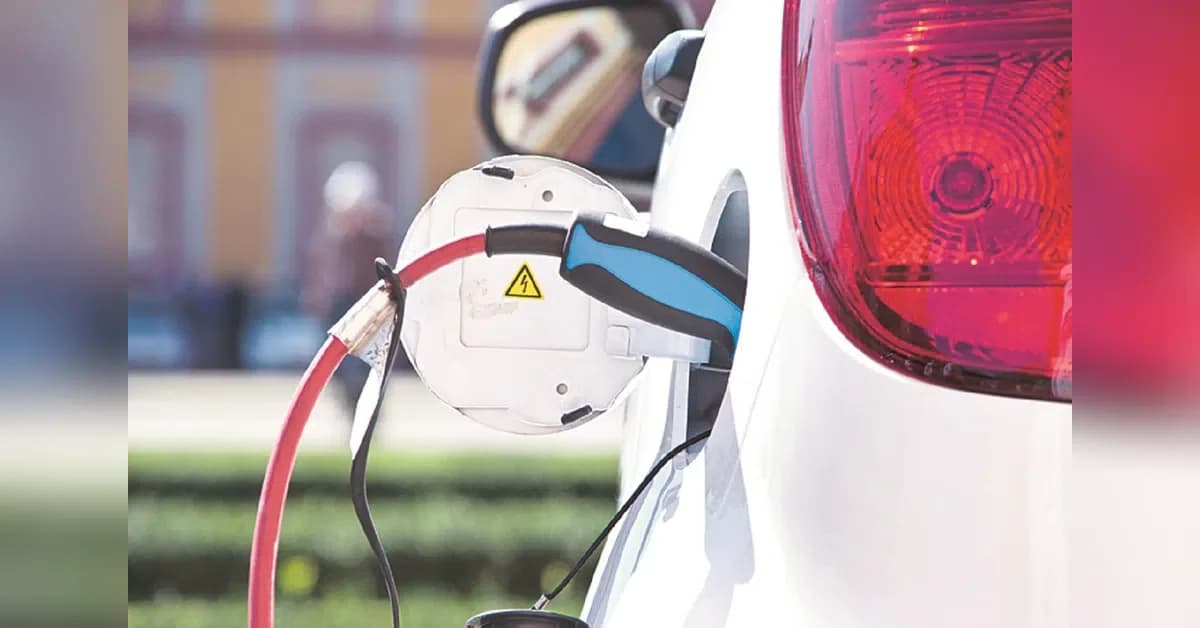
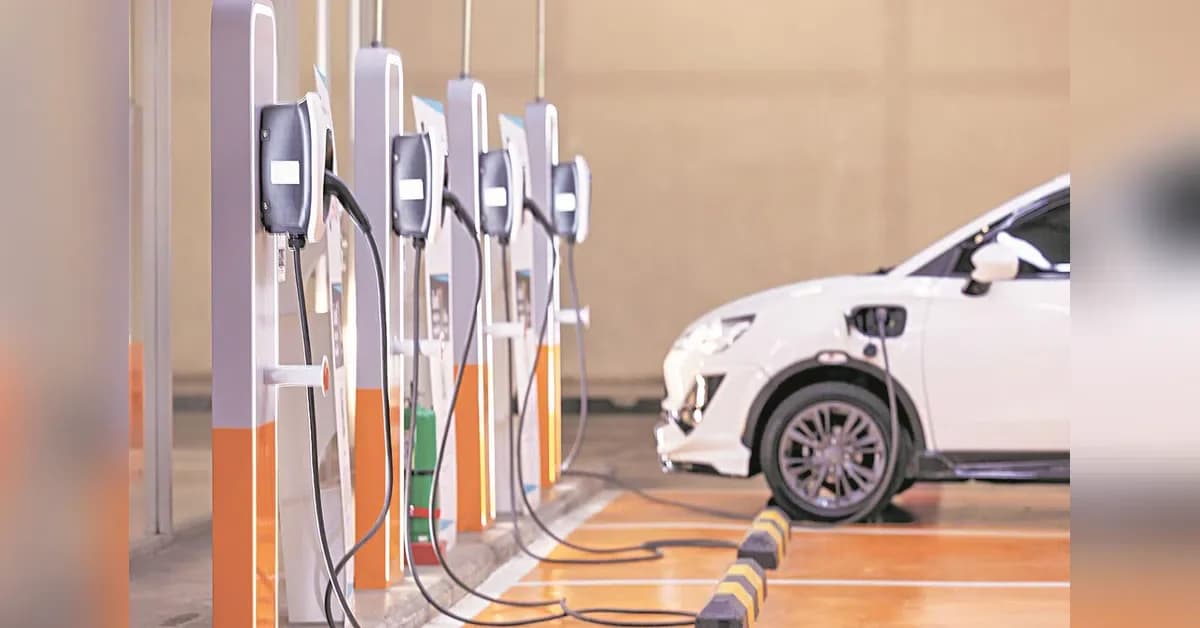
Global automakers are urging India to extend concessional EV tax rates to range-extended electric vehicles (REEVs), arguing the technology can address range anxiety during the electric vehicle transition. According to reports from Business Standard, these vehicles are currently classified under 18-40% GST depending on vehicle length, which global OEMs say undermines affordability. A senior executive of a global OEM planning REEV launches in India stated that these vehicles cannot be penalized with higher GST as there is a need for a transition phase to pure-play electric vehicles.
REEVs differ significantly from plug-in hybrids through their technical architecture. As reported by Business Standard, REEVs are powered by electric motors with batteries ranging 20-80 kWh for different vehicle segments, combined with small combustion engines that function as generators when battery levels drop below threshold. Unlike plug-in hybrids where engines are connected to wheels, REEVs use electric motors exclusively for wheel movement, with the combustion engine producing electricity to charge the battery and extend driving range. These vehicles have been 12% of China's EV market sales in early 2016, according to Benchmark Mineral Intelligence data.
Leading Indian automakers have publicly opposed government moves to lower GST on hybrid cars or bring them on par with battery electric vehicles. According to reports from Business Standard, Mahindra and Mahindra (M&M) and Tata Motors, which are focusing on electric vehicles, oppose any reduction in hybrid car taxation. These companies argue that India's EV policy does not provide explicit recognition to REEVs, though no REEV has been launched in the country so far. The ambiguity in GST classification risks placing these vehicles under higher tax slabs despite their electric-driven nature.
Several global automotive companies have announced REEV launches in India, including JSW Motors, JSW-MG Motors India, Toyota Kirloskar, and Hyundai. As reported by Business Standard, companies like SAIC Motors (which runs a joint venture with JSW) and Chery Automobiles (with technology tie-ups through JSW) have range-extended electric vehicle models in China. In South Korea, Hyundai and its affiliates have taken the lead in developing new-generation REEVs for large SUVs and luxury vehicles, while Nissan in Japan and Volkswagen in Europe are also developing similar technologies.