The Employees' State Insurance Corporation (ESIC) has made Aadhaar authentication mandatory for beneficiaries under the social security scheme, following instructions from the Ministry of Labour & Employment. Section 142 of the Code on Social Security, 2020 now requires eligible employees, unorganised workers and other beneficiaries to use Aadhaar for identity verification for registration and access to social security benefits. The Labour Ministry had asked ESIC in May 2026 to implement Aadhaar authentication as a mandatory requirement, with the ministry describing Section 142 as self-executory, allowing ESIC to implement the provision through administrative instructions without requiring a separate notification. On September 7, 2026, the Ministry of Labour and Employment issued a post on X confirming that Aadhaar authentication is mandatory for ESIC beneficiaries, directing beneficiaries to the official ESIC website for more information. Beneficiaries must now link Aadhaar with their Pehchan Card to access benefits and services covered by the Social Security Code, as per the latest ministry directives. The ministry emphasizes that this will ensure seamless and uninterrupted access to benefits under the social security scheme, with the provision covering registration as a member or beneficiary and access to benefits provided in cash or kind.
ESIC provides social security and healthcare benefits to eligible employees and their families working in factories and establishments covered under the scheme. Employees earning up to ₹21,000 a month are generally covered, with the wage ceiling extended to ₹25,000 a month for persons with disabilities, subject to applicable rules. The scheme offers comprehensive benefits including medical care, hospitalisation, maternity benefits, financial support during sickness or temporary disability, disability pensions for permanent disablement due to employment injury, and financial assistance to dependants if an employee dies from an employment injury. Aadhaar-based identity verification also applies to family members and dependents covered under the scheme, with the provision covering registration as a member or beneficiary and access to benefits provided in cash or kind. For foreign employees, the provision deals with Aadhaar submission after they become residents under the Aadhaar Act, ensuring comprehensive coverage across all beneficiary categories. The establishments attracting coverage under ESI include shops, hotels or restaurants not having manufacturing activity, cinemas including preview theatres, road motor transport establishments, newspaper establishments, private educational institutions, and medical institutions.
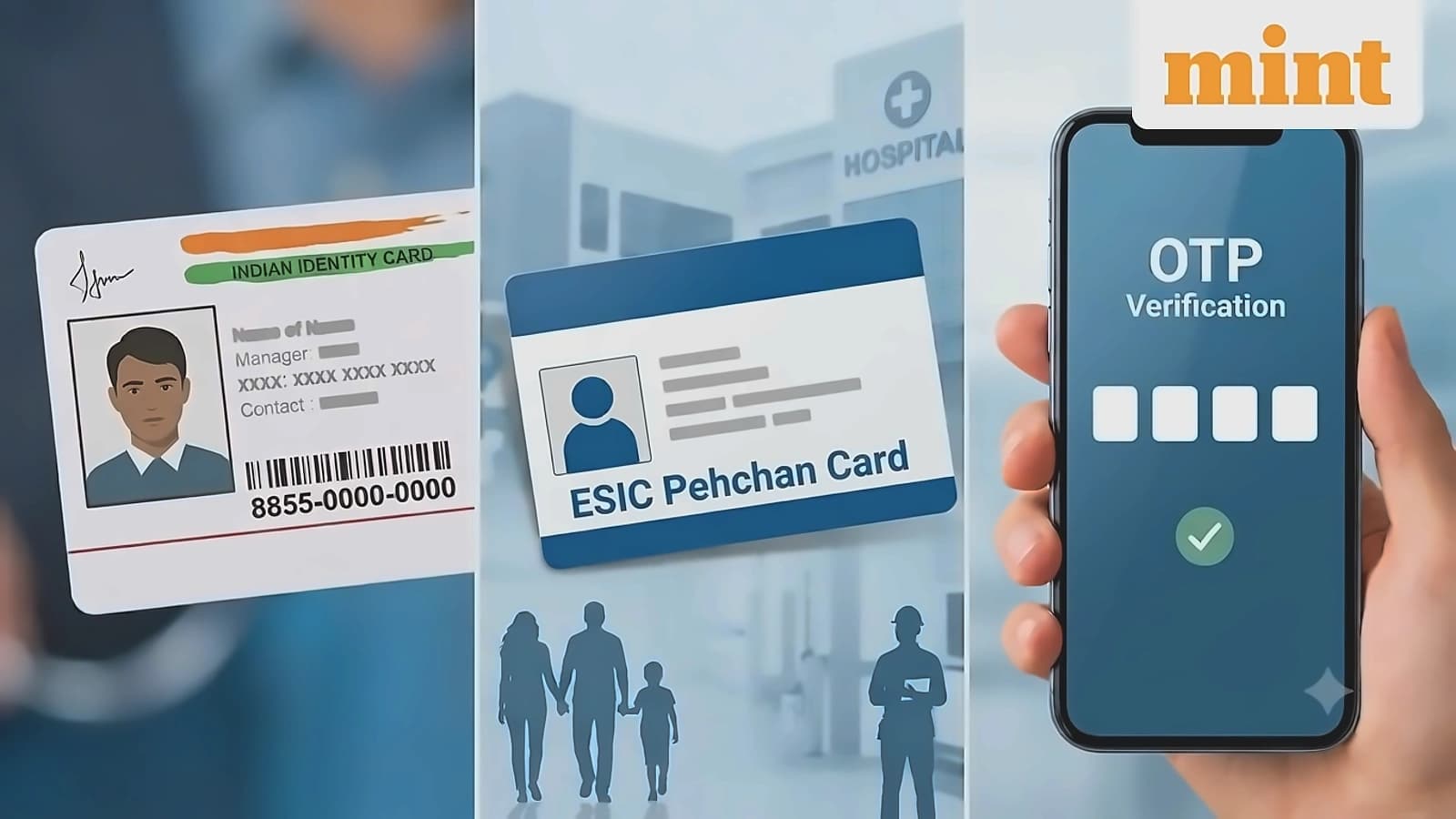
ESIC beneficiaries can complete the Aadhaar seeding process online through the ESIC portal by following specific steps. According to the official procedure, beneficiaries must visit the official ESIC website, click on 'Insured Persons and Beneficiaries', log in using their User ID and password, select the 'Aadhaar Seeding for IP' option, find their name in the list, enter their Aadhaar number and complete authentication using OTP sent to their Aadhaar-linked mobile number. The process concludes with ESIC generating a reference number and the Aadhaar details being linked to the beneficiary's ESIC record. The ministry has instructed ESIC to follow the Aadhaar Act, 2016, including its requirements on privacy, data security and protection of beneficiary information. Section 142 covers registration as a member or beneficiary and access to benefits provided in cash or kind, with the provision also covering medical attendance and payments for insured persons and their dependents.
The Labour Ministry emphasizes that beneficiaries should ensure their Aadhaar-registered mobile number is active to receive the OTP required for authentication. The ministry's communication also described Section 142 as self-executory, allowing ESIC to implement the provision through administrative instructions without requiring a separate notification. Beneficiaries covered by Section 142 will therefore need to complete Aadhaar authentication to access the services and benefits covered under the provision. The position changed in May 2026, when the ministry asked ESIC to implement Aadhaar authentication as a mandatory requirement, moving from the voluntary status described in August 2025. Section 142 requires eligible persons to establish their identity through Aadhaar for registration and for accessing specified social-security benefits and services, with the provision also covering receiving payments or medical attendance as an insured person or for eligible dependants. The Ministry's September 7 post does not mention any separate deadline for completing the process, therefore beneficiaries should rely on official ESIC communications for any future deadline or procedural changes.