The Employees' Provident Funds Scheme, 2026 has officially replaced the Employees' Provident Funds Scheme, 1952, bringing significant changes to EPF contributions and withdrawal rules. The Ministry of Labour and Employment notified the new scheme on June 29, 2026, and it came into force from the date of its publication in the Official Gazette. According to the latest EPFO communication, the organization has highlighted simplified withdrawal provisions covering essential needs, housing-related needs, and special circumstances for medical treatment, education, and housing. The new scheme introduces a uniform 75% withdrawal guideline that applies to all categories after completing 12 months of EPF membership, making the process significantly easier for account holders.

The new EPF Scheme 2026 introduces specific frequency limits for different withdrawal purposes, providing greater flexibility for members. Illness-related withdrawals have no limit on the number of times an advance can be taken, making it different from other specified purposes such as education and marriage. Education advances are allowed up to 10 times during the period of EPF membership, while marriage-related withdrawals are limited to up to 5 times. Housing-related needs cover four purposes - purchase of flat/house, construction, home loan repayment, and renovation - and can be taken up to 5 times during membership. Special circumstances as notified by the Central Board, EPFO allow advances up to twice a year. Members can withdraw up to 100% of eligible balance after maintaining the required minimum balance of at least 25%, effectively allowing 50-75% corpus withdrawal before maturity.
EPFO members can access their provident fund savings through three distinct withdrawal categories, each requiring specific documentation and eligibility criteria. According to the EPFO guidelines, partial provident fund advances allow members to claim non-refundable advances while actively employed, with Form 31 required for submission. The final provident fund settlement requires Form 19 and becomes eligible only after retirement or resignation with continuous unemployment for at least 60 days. Additionally, pension withdrawal benefits are available through Form 10C, with members automatically enrolled in the Employees' Pension Scheme (EPS) due to the 12% employer contribution. The new scheme introduces uniform withdrawal limits across all categories, with members able to withdraw up to 75% of their EPF balance after completing 12 months of EPF membership.
EPFO has established specific processing timelines for different claim types and submission methods. According to the EPFO FAQ website, online claims for members with completed KYC take between 3-7 working days, while auto-mode eligible claims require 72 hours. Offline physical claims submitted to EPFO offices can take up to 20 working days. Once submitted, claims are generally approved and settled within 7-15 working days, with SMS alerts provided at each stage of the process. The latest EPFO communication notes that for members facing urgent financial requirements, access to EPF savings can provide an additional source of funds without relying entirely on loans or other forms of borrowing. However, the organization emphasizes that EPF withdrawal means drawing from retirement savings, and members should consider the long-term impact before using the facility.
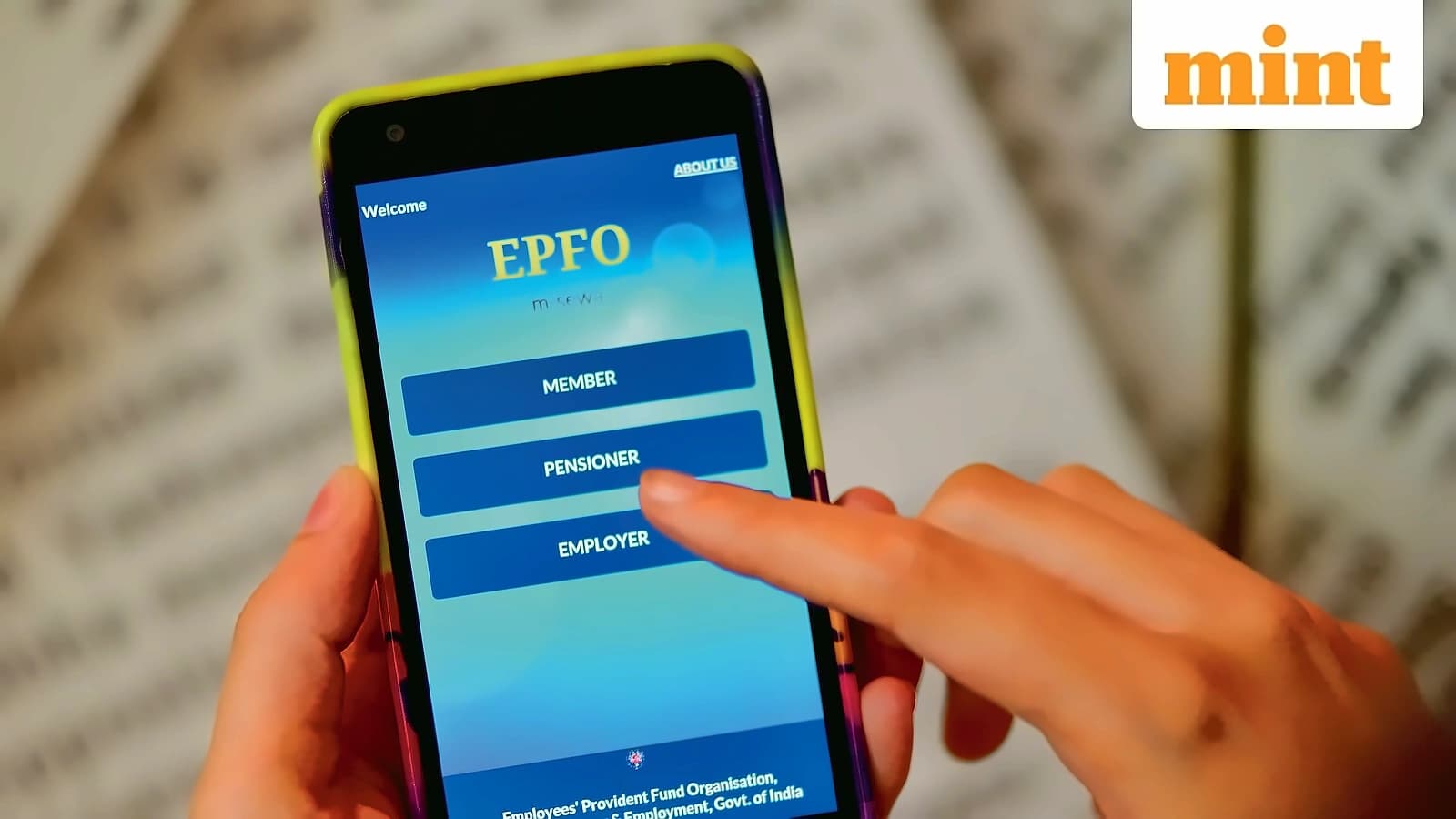
EPFO offers multiple digital platforms for claim submission, each with specific requirements and verification processes. The Unified Portal requires members to enter their 12-digit UAN, password, and solve dynamic CAPTCHA verification. The Umang app allows users to login with registered mobile number, select 'Raise Claim' under employee-centric services, and verify UAN through OTP sent to Aadhaar-linked mobile number. Both platforms require bank account verification and document uploads for specific claim types, with the system skipping document uploads if bank accounts are NPCI-verified and linked to UAN. The EPFO has now made it possible for users to generate and activate their UAN directly via the UMANG app, incorporating Aadhaar-based facial recognition to streamline access to essential EPFO services.
The Employees' Provident Fund Organisation has revamped its services for members, allowing UAN activation solely through the UMANG app utilizing advanced face authentication. While members can track pension applications and file death claims via the EPFO portal, UAN allotment and retrieval services continue to be accessible on the EPFO website. The EPFO has launched the Employees' Enrolment Campaign 2026, offering a one-time opportunity for compliance where establishments can now enrol previously uncovered employees under EPF. This campaign aims to bring more workers into the social security framework, with eligible workers gaining access to provident fund and pension benefits after employers complete enrolment and remittance through the online portal. The EPFO has also announced that EPFO e-Office application will not be accessible on August 5 for essential system upgrades, with mild delays expected in processing claims and services during this period.