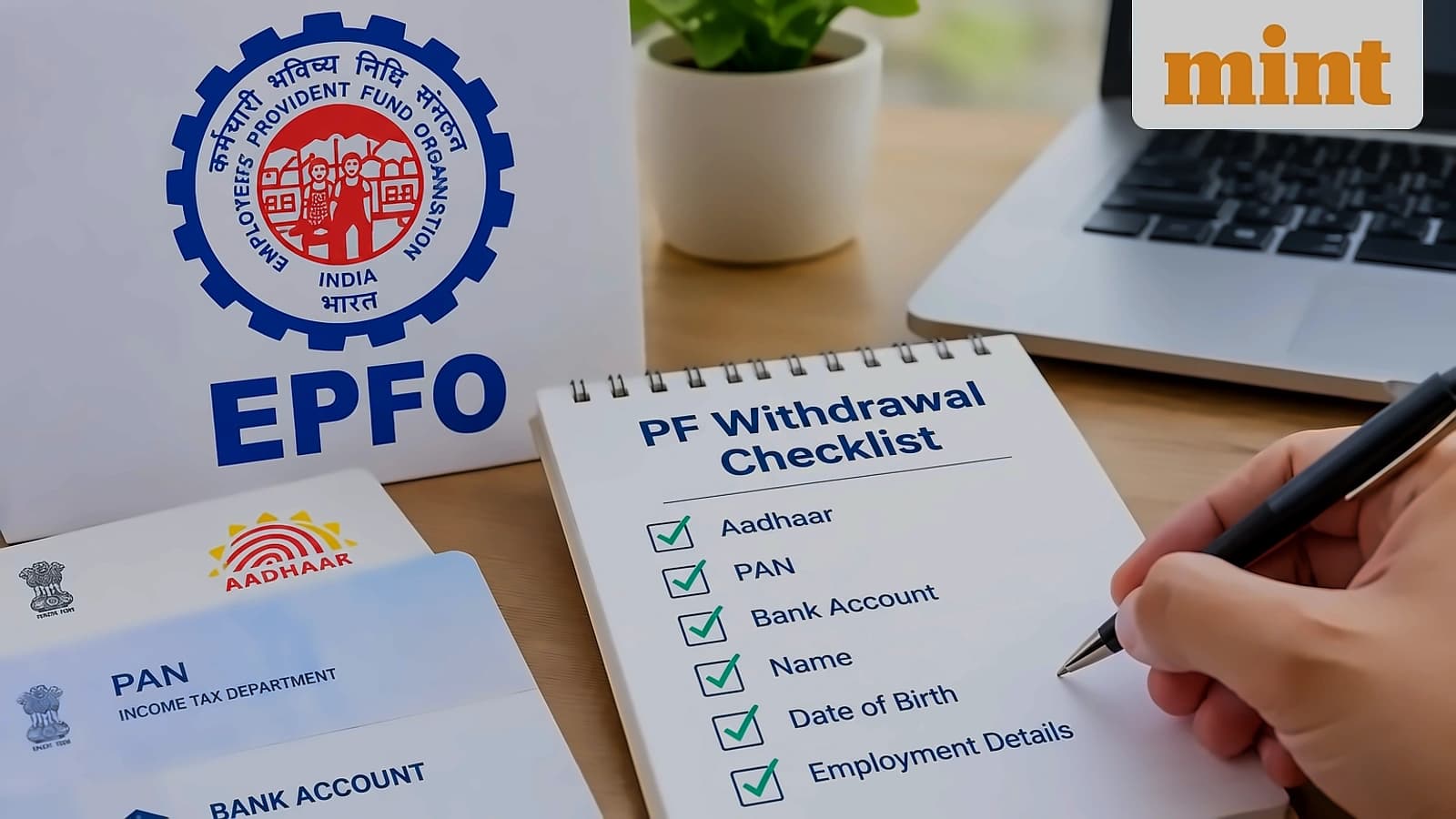
EPFO subscribers can monitor their claim status through multiple digital channels including the official EPFO Member Portal, UMANG app, and SMS services. According to the latest EPFO guidelines, employees can check their EPF claim status online by logging into the official portal using their UAN and password, navigating to 'Online Services' and selecting 'Track Claim Status'. The UMANG app provides convenient access to EPFO services using UAN and OTP verification, offering quick claim tracking capabilities. For offline tracking, employees can use SMS services or missed call facilities to receive status updates on their registered mobile numbers.
EPFO claim statuses are categorized into 'Under Process', 'Approved', 'Settled', 'Rejected', and 'Returned' to provide clear visibility into the processing timeline. As per the latest EPFO guidelines, the 'Under Process' status indicates that EPFO officials are reviewing and verifying the submitted claim request, with the application still being processed and not yet approved or rejected. A 'Settled' status means EPFO has processed the payment and initiated the bank transfer, though NEFT transfers may take up to 3 working days to appear in the bank account. Claims are commonly rejected due to incorrect bank details, Aadhaar mismatch, incomplete KYC, or missing employer exit updates.
For subscribers without internet access, EPFO provides SMS services and missed call facilities to check claim status. According to the latest EPFO guidelines, employees can check their EPF claim status through a missed call service before checking their status online. It is important to note that SMS services may experience delays from EPFO, making the missed call option a more reliable alternative for offline tracking. The system requires subscribers to enter required details, select the appropriate grievance category, and upload supporting documents when available.
The EPFO is currently offering EPF and voluntary provident fund (VPF) at 8.25% interest this quarter for salaried citizens. According to reports from Mint, subscribers are eligible to open an EPF account if their basic pay and dearness allowance is up to ₹15,000, while VPF option is available if basic pay and DA exceed ₹15,000 per month. The scheme operates through joint contributions from both employer and employee, providing a lump sum corpus at retirement.
Under the current tax regime, annual employee contributions up to ₹1.5 lakh are exempt under Section 80C of the old tax regime. As reported by Mint, employers' contributions up to 12% (below ₹7.5 lakh) are exempt under both old and new tax regimes. The system provides tax-free interest on employees' accumulated contributions up to ₹2.5 lakh, while interest on employer contributions remains tax-free. The EPFO offers strong protection for members, with contributions paid in priority over other debts when employers become insolvent.