The Employees Provident Fund Organisation (EPFO) has approved a significant reduction in the waiting period for EPF withdrawal after job loss, cutting it from 12 months to 2 months. Under the earlier rule, members could withdraw 75% of their PF balance immediately after becoming unemployed and the remaining 25% after one year. The Central Board of Trustees (CBT) approved this proposal at their 240th meeting held in New Delhi on November 19, 2026, fundamentally changing how EPF subscribers access their retirement savings during unemployment. The shorter waiting period is expected to give members quicker access to their savings during financial hardship, particularly relevant as employees across the globe deal with layoffs amid AI-driven restructuring and cost-cutting measures.
The EPFO has achieved a remarkable transformation in claim settlement efficiency through its Centralised IT Enabled System 2.0 (CITES 2.0) platform. According to a release by the Ministry of Labour and Employment dated November 19, 2026, the platform has reduced average claims settlement time from 11.15 days to 2.57 days since its launch on July 8, 2026. This represents a 76% improvement in processing efficiency, fundamentally changing how EPF subscribers access their retirement savings. The EPFO FAQ confirms that claims are to be settled within 20 days under the current system, with CITES 2.0 significantly exceeding this target. The reduction of the final settlement waiting period comes at a time when employees across the globe are dealing with layoffs amid AI-driven restructuring and other cost-cutting measures.
The platform's impact on operational efficiency has been substantial, with auto-processing of claims increasing from 39% to 71% of total claims processed in the first few months following its rollout. As reported by the Ministry of Labour and Employment, the overall rejection ratio for claims fell from 23% to 7.82% between July and November 2026. These improvements indicate that CITES 2.0 has successfully streamlined the settlement process and reduced the number of claim rejections caused by clerical discrepancies. Claims typically get held up by KYC mismatches, missing date of exit, or bank details that don't match, but the automated system has significantly reduced these processing delays.
CITES 2.0 is a centralised, Universal Account Number (UAN) based digital platform developed by the Centre for Development of Advanced Computing (C-DAC) to digitise and modernise EPFO services. According to the Ministry of Labour and Employment, the platform replaced EPFO's decentralised field office application software that had operated across separate regional databases since 2008. The system unifies key documents such as member passbooks, employer return filings, claim modules, and accounting records into a single national database, eliminating the need for manual file transfers when employees change jobs. The platform enables automated settlement without human intervention by checking claim validity and eligibility against employee KYC records, bank account details, and service history in the back-end.
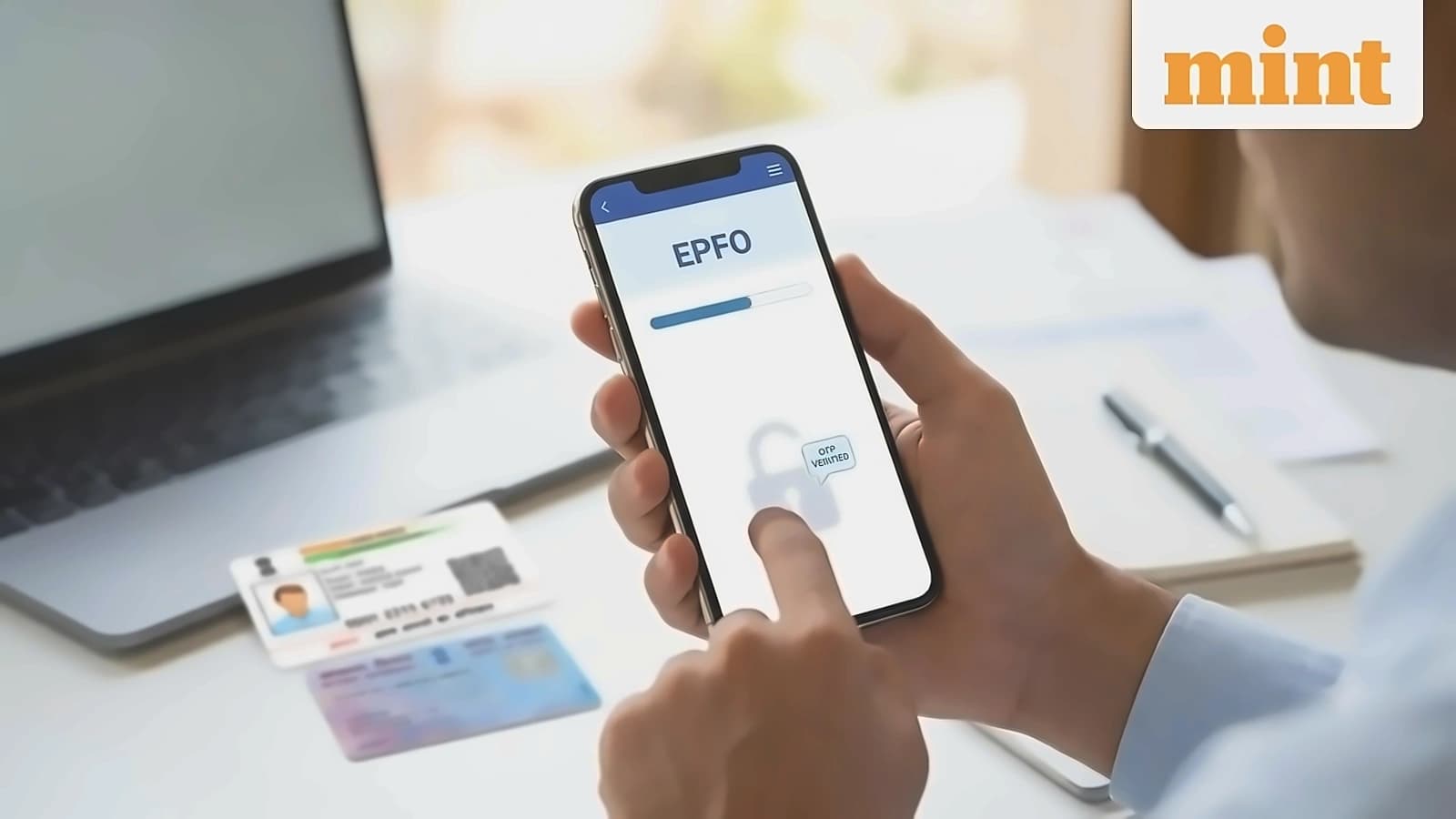
Under the current 12-month wait rule, claimants can withdraw 75% of PF immediately after job loss, with the remaining 25% available after one year. However, the EPFO board approved bringing this back to 2 months on November 19, 2026, though this change applies only once it is notified. Under the revised norm, an EPFO subscriber will be eligible to withdraw 100% of their provident fund corpus, including the mandatory minimum balance, once the approved proposal is enforced. The Income Tax Department's TDS page indicates 10% TDS applies if you withdraw more than ₹50,000 before completing five years of continuous service, with higher rates if PAN is not given. No TDS applies after five years, and service with an earlier employer counts if the PF was transferred. The online claim process involves logging into the EPFO Member Interface, checking verified KYC details, confirming date of exit, verifying bank account, choosing PF final settlement, and completing Aadhaar authentication.