
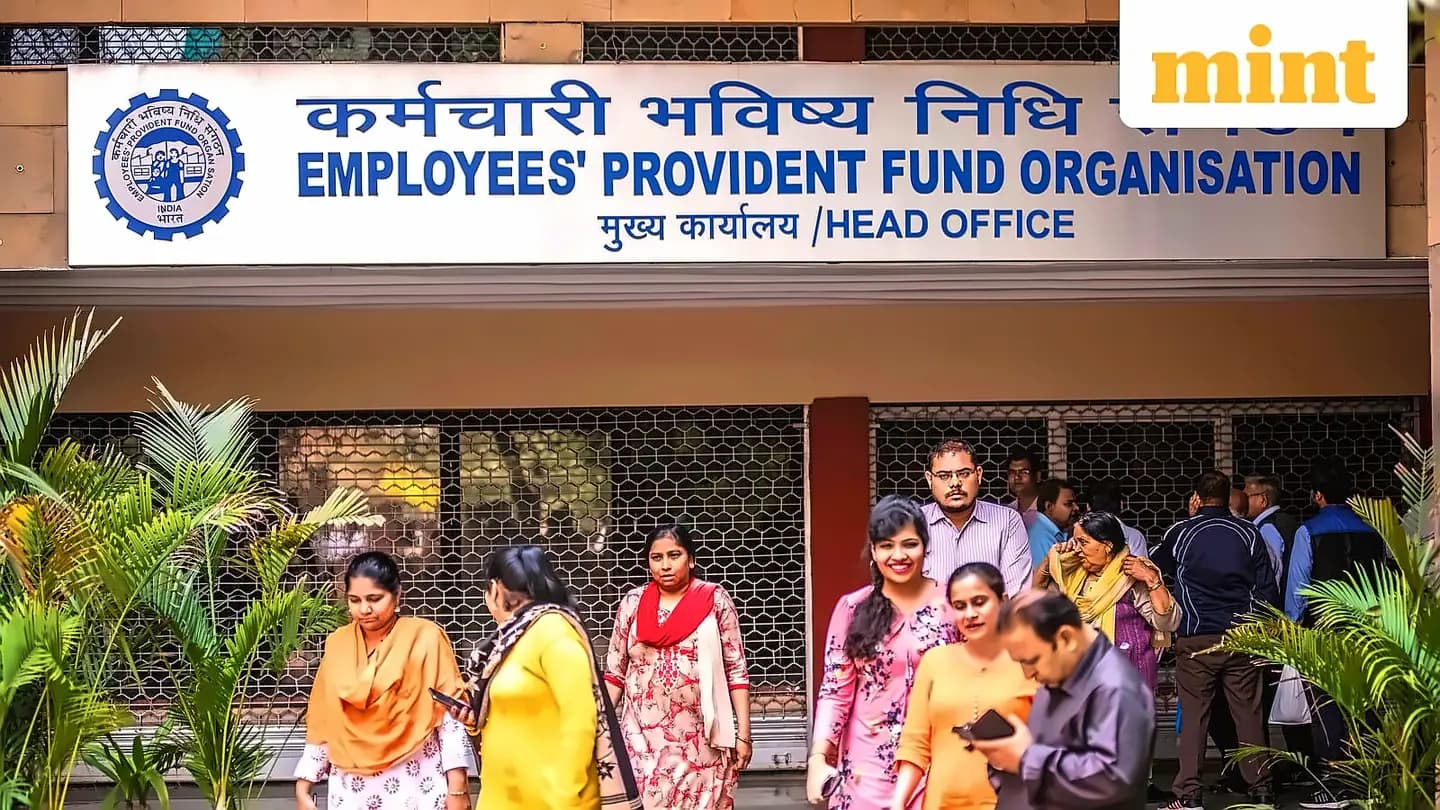


Under the EPS 1995 scheme, 8.33% of the employer's 12% provident fund contribution is diverted to the EPS account, while the remaining 3.67% goes to the EPF. As reported by the EPFO, while enrollment in the EPS scheme is automatic for most eligible employees, some EPF members do not fall within the ambit of the Employee Pension Scheme due to their salary at the time of joining or their joint option choice. The scheme is notified under Section 6A of the EPF & MP Act, 1952.
The Employees' Pension Scheme 1995 provides pensionary benefits to eligible employees of establishments covered under the EPF & MP Act, 1952. According to the EPFO, any member becomes eligible for pension on attaining 58 years with 10 years of eligible service. Members not in employment can also opt for reduced pension if they attain 50 years with 10 years of eligible service. The scheme ensures monthly pension on superannuation, early retirement, permanent disability, and offers family pension in case of member's demise.
According to the EPFO, eligible EPS members include those working in seasonal factories and establishments even for part of the year. These include tea, sugar, turpentine, rubber, rosia indigo, vegetable preservation, fruit preservation, rice milling, dal milling, cashewnut, tobacco leaf, tile, hosiery, oil milling, and fireworks among others. The scheme covers a period of service for which the contribution under EPS'95 has been received or is receivable.
For EPS members, Form 10C is used for lump sum withdrawal if service term is between 6 months to 10 years. For pension receipt after 10 years of service, members must submit Form 10D with the EPFO. Members who have completed 10 years and want to receive reduced pension also need to submit Form 10D. The withdrawal rules depend on the service term and specific documentation requirements.