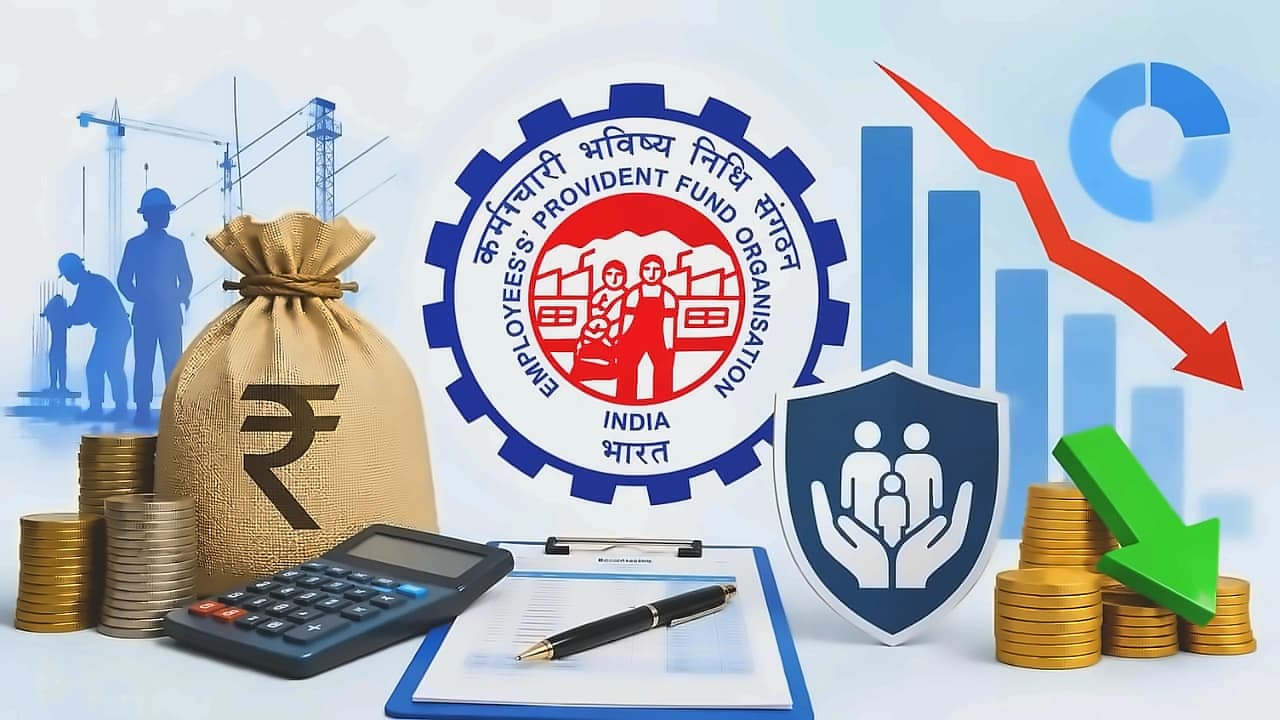
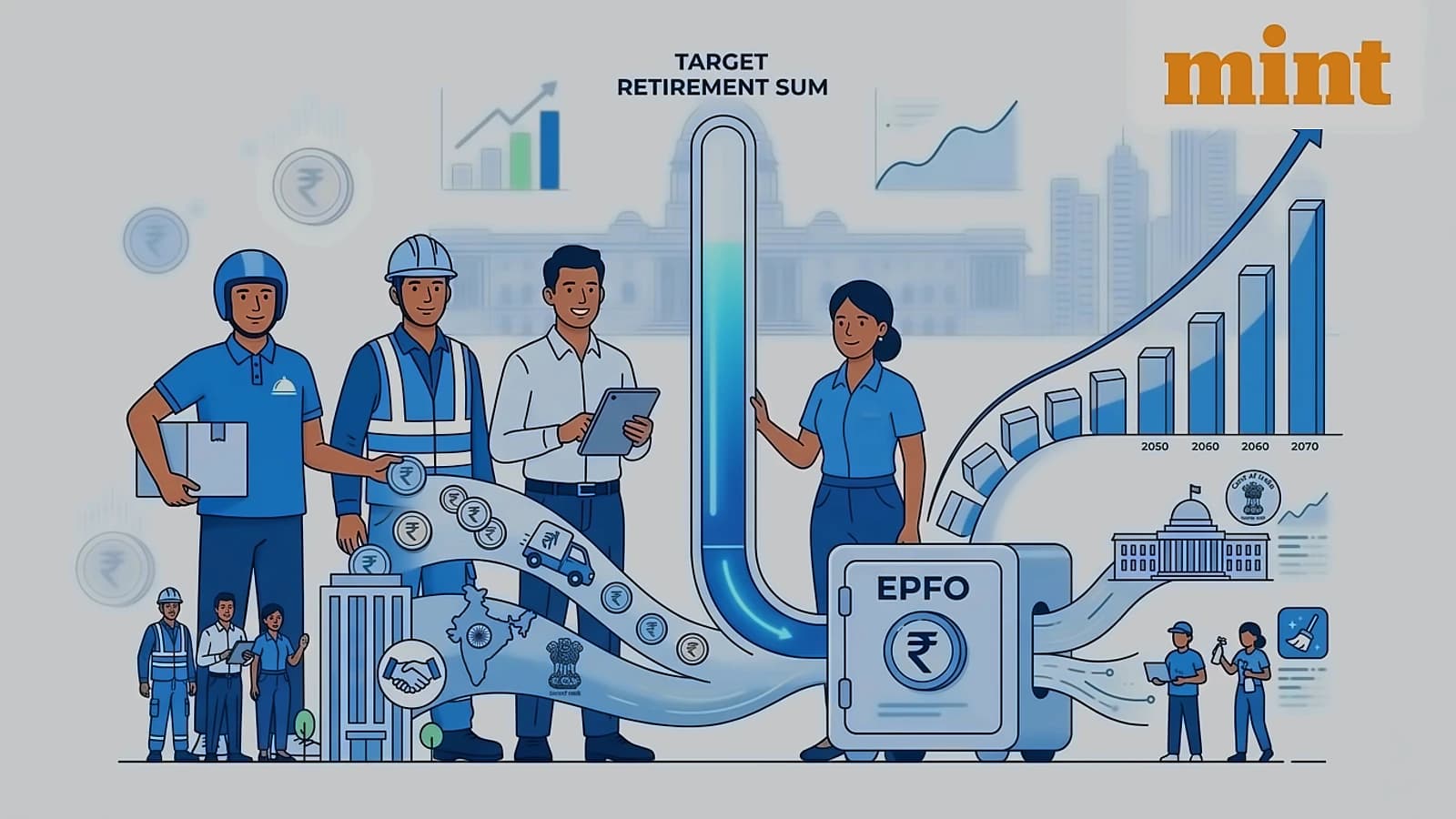
The Central government has notified the Employees' Provident Fund (EPF) Scheme, 2026, replacing the EPF Scheme, 1952, as part of the implementation of the Code on Social Security, 2020. According to reports from Zee News, while the new framework does not change the existing PF contribution rates, it provides a legally robust foundation for administering provident fund, pension and insurance benefits to central government employees. As more companies are implementing the new scheme, employees are faced with the question of choosing the appropriate contribution plan that suits their financial goals and circumstances.
Shankar Kumar, Founder of EZ Compliance provided a categorical analysis on PF contribution choice for employees under various categories. As reported by Zee News, between the three options - 12 percent of applicable wages, 9 percent of applicable wages, and a flat ₹1,800 per month, Kumar explained that 12 percent actual basic deduction track is highly beneficial for senior executives, mid to late career professionals, and risk-averse individuals who prioritise institutional wealth preservation over liquid income. This segment values the hands-off, disciplined accumulation of a substantial retirement corpus backed by sovereign-guaranteed, tax-exempt returns.

While key features such as the 12% contribution rate for employers and employees and the ₹15,000 statutory wage ceiling remain unchanged, the formalisation of several provisions will trigger new operational obligations for employers. According to recent reports, EPF contributions must now be computed on 'wages' as defined under the Code on Social Security, 2020, requiring employers to immediately map existing salary structures and allowances against this statutory definition. For many organisations, this mapping may trigger a one-time compensation restructuring, changes in payroll configuration and updated appointment terms where higher contributions are a voluntary contractual benefit. Large employers and multistate payrolls should plan this transition with adequate lead time to avoid payroll errors.
The new scheme introduces significant changes to PF withdrawal procedures, with the waiting period for withdrawing PF upon leaving employment extended from two months to 12 months. Additionally, new life insurance policies cannot be financed from EPF balances, but premiums for existing ones may still be paid from EPF accounts. For international workers, the scheme does not explicitly state whether contributions should be computed on the statutory ceiling or full salary, requiring employers to adopt clear interim payroll positions and monitor EPFO/Labour Ministry guidance for consistent treatment. Employers must update exit communications and payroll FAQs so that departing employees set expectations correctly.