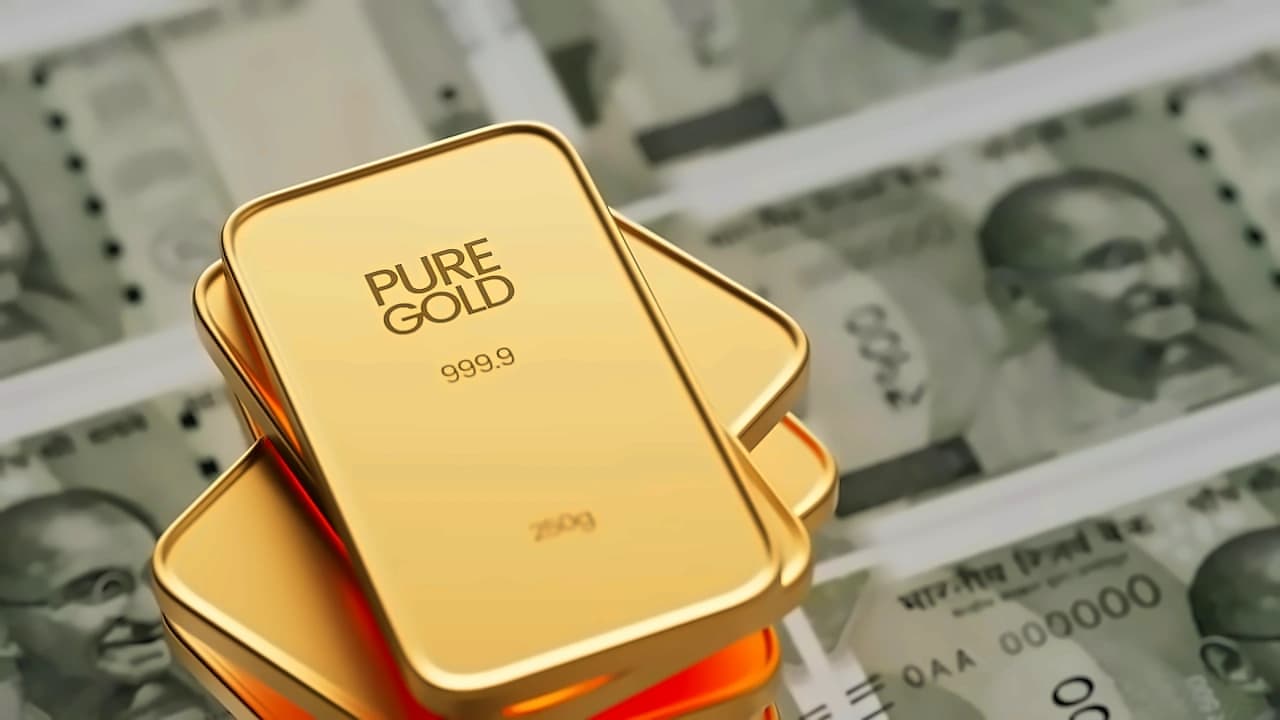
Gold ETFs witnessed significant selling pressure on Friday, November 6, 2026, declining by up to 2.3% during the auspicious occasion of Dhanteras 2026. According to Groww data, ICICI Prudential Gold ETF was among the biggest laggards, falling 2.28% to ₹119.79, while Nippon India ETF Gold BeES declined 2.12% to ₹115.65 and Tata Gold Exchange Traded Fund slipped 1.87% to ₹13.63. Other major gold ETFs including SBI Gold ETF, HDFC Gold ETF, Kotak Gold ETF and DSP Gold ETF also traded lower, with the broader weakness coming amid a decline in international gold prices.
Gold ETFs attracted an estimated ₹3,300 crore in October, representing a significant increase from ₹4,450 crore in September, according to net inflow estimates derived from assets under management data. The surge occurred as investors stepped up purchases following a nearly 12 per cent correction in gold prices over the past six months, viewing the decline as an opportunity to accumulate the precious metal ahead of Dhanteras. As reported by The Hindu BusinessLine, this increased demand coincided with most asset management companies suspending subscriptions to their gold fund of funds (FoFs) in the second half of October. According to the latest data, investment demand through gold ETFs also strengthened, with inflows rising to 5.3 tonnes in the third quarter from 3.6 tonnes in the second quarter.
The decline in gold ETFs is closely linked to movements in domestic and international bullion prices, as gold ETFs track the price of physical gold. Spot gold declined 0.6% to $4,063.39 per ounce on Friday, November 6, according to Reuters, after a strong recovery earlier in the week supported by a weaker US dollar and falling US Treasury yields following the US midterm election outcome. The weakness came amid a rebound in crude oil prices, which revived inflation concerns and raised expectations that US interest rates could remain elevated for longer. Higher oil prices have raised concerns that inflation could remain elevated, potentially prompting the Federal Reserve to maintain a tighter monetary policy, with gold facing pressure when interest rates remain high because investors get better returns from interest-bearing assets.
Assets under management of gold ETFs increased steadily from ₹1.58 lakh crore in April to around ₹1.91 lakh crore in October, reflecting growing investor interest in the category. Gold ETFs have delivered an average return of 9.22 per cent since last Diwali, celebrated on October 20, 2025. Among the 22 schemes, Nippon India Gold ETF BeES led with a 12.58 per cent return, followed by Invesco Gold ETF at 12.50 per cent and ICICI Prudential Gold ETF at 12.39 per cent. According to Value Research, the gold funds category delivered 18.64 per cent returns over one year, 31.90 per cent over three years and 23.15 per cent over five years as of October 26, 2026. However, recent market volatility has impacted near-term performance, with all 25 schemes listed on Dhan's gold ETF page recording negative returns over the past month as of November 4, 2026, with losses ranging from 3.66% to 4.53%.

The price correction comes at a time when India's physical gold market is showing signs of sequential recovery. According to the World Gold Council's Gold Demand Trends: India Focus report for Q3 2026, Indian gold demand rose 24 per cent quarter-on-quarter to 162 tonnes, though it remained 29 per cent lower year-on-year and 12 per cent lower during the first nine months of the year. The value of gold demand has held up better than volumes, with demand value rising 3 per cent year-on-year to ₹2.42 trillion in the July-September quarter, even as the quantity purchased declined. During the first nine months of 2026, demand fell 12 per cent to 444 tonnes, while its value increased 38 per cent to ₹6.69 trillion, reflecting the impact of elevated prices on household purchasing power. The World Gold Council expects gold demand to receive support from the ongoing festival and wedding seasons, with continued purchases by central banks maintaining gold accumulation at historically elevated levels.