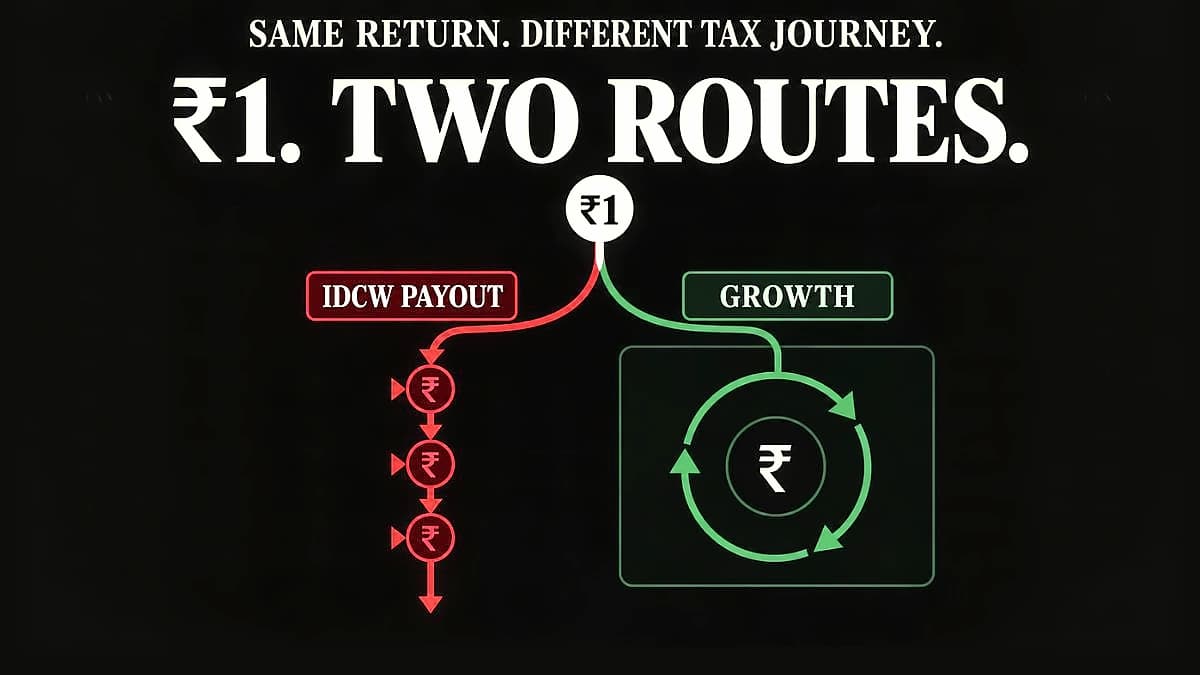
When investors switch from regular to direct mutual fund plans, they face tax liability on long-term capital gains (LTCG). According to reports from The Economic Times, when switching from regular to direct plans, investors essentially sell regular units and buy new units under the direct plan, creating a taxable event. The tax is calculated at 12.5% of long-term gains over ₹1.25 lakh or 20% of short-term gains, as applicable. For example, an investor with ₹50 lakh in LTCG would pay approximately ₹5.9 lakh in tax on the switch.

The primary advantage of direct plans lies in their lower expense ratios compared to regular plans. As reported by The Economic Times, the gap between expense ratios is typically 0.5% to 1%, though it may be higher for some funds. While this difference appears small initially, compounding effects significantly boost direct plan returns over the long term. A popular large-cap fund example shows 13.79% annualised returns for direct plans versus 13.07% for regular plans over the last 10 years.
A practical example demonstrates the potential impact of switching from regular to direct plans. According to calculations from The Economic Times, an investor contributing ₹5,000 monthly through SIP since 2016 would have accumulated ₹12.39 lakh in the regular plan. After switching and paying ₹64,202 in tax on LTCG, the remaining corpus would be ₹11.74 lakh. The analysis shows that over 20 years, the gap between direct and regular corpus could reach ₹18.55 lakh.
While direct plans offer better long-term returns due to lower expense ratios, the decision to switch should be made carefully. As reported by The Economic Times, regular plans are generally offered by distributors who provide significant handholding and guidance to investors. Direct plans are suitable for investors who do not require much handholding or those guided by advisors who recommend direct plans. Additionally, for long-term gains up to ₹1.25 lakh from equity mutual funds, there is no additional tax burden due to the switch, provided the investor doesn't have other LTCG from equity.