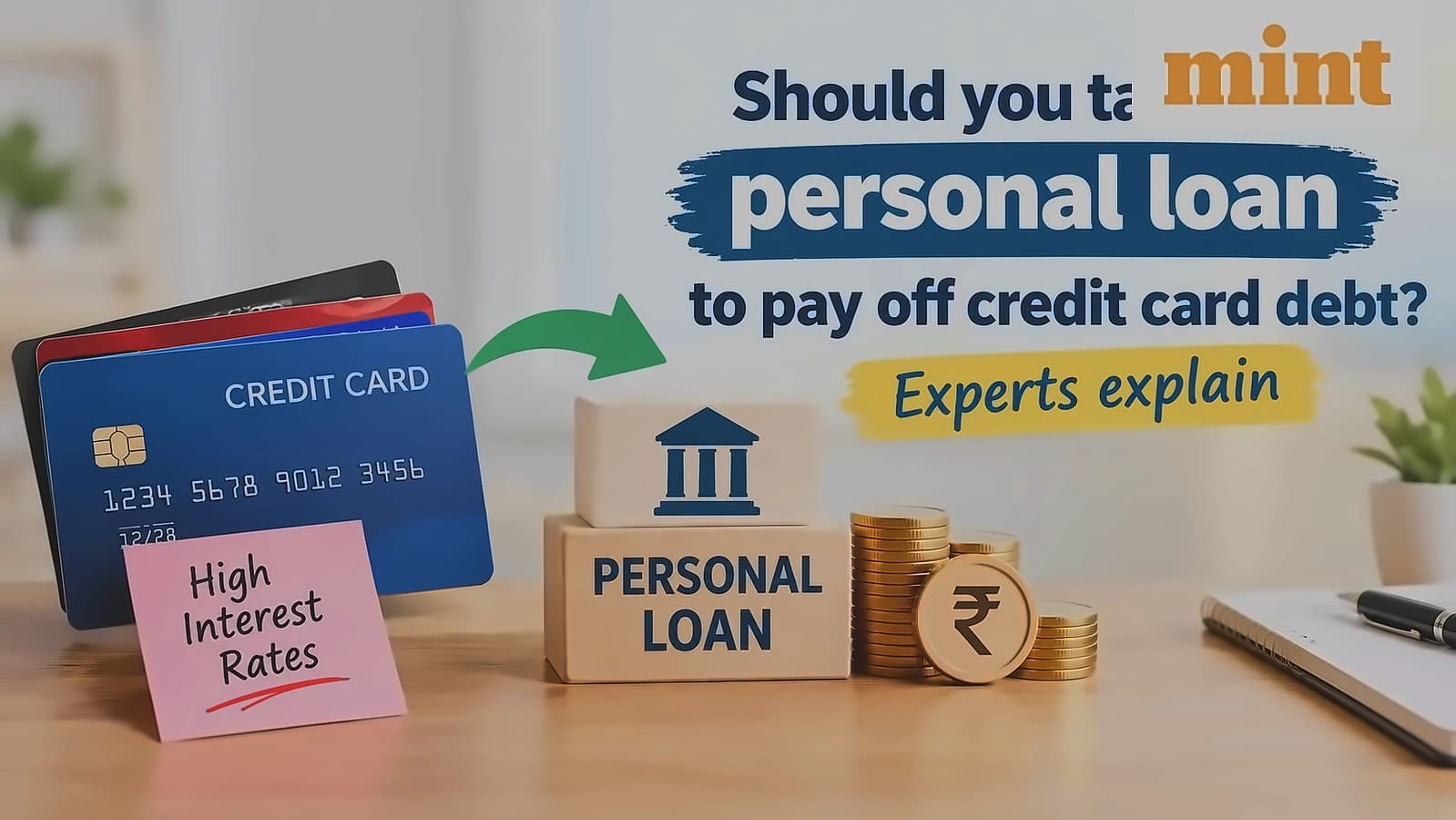
Debt consolidation involves combining multiple high-interest debts into a single, lower-interest loan to reduce monthly payments and improve financial management. According to reports from Business Standard, this strategy provides psychological relief but carries significant risks if spending habits don't change. The process typically involves converting high-interest credit card debt, personal loans, and other debts into a single personal loan with a lower interest rate. As reported by Multiple sources, consolidation allows borrowers to simplify their finances by making one monthly payment instead of several, eliminating the complexity of managing multiple due dates, interest rates, and minimum payments.

When choosing between debt consolidation options, borrowers must consider the distinct advantages and limitations of both balance transfer credit cards and personal loans. Balance transfer credit cards offer introductory rates as low as 0%, but these rates can expire after 12-21 months, potentially rising to the 21% average APR if not paid off in time. Personal loans provide fixed interest rates averaging 11.4% with predictable payments over 2-5 year terms, offering stability and guaranteed monthly payments. According to Multiple sources, the right choice depends on preferred repayment timeline, monthly budget, and credit score requirements. Balance transfers typically require good to excellent credit scores (670-739) while personal loans accept fair to excellent credit scores (580-669).
Most consolidation loans are structured as personal loans and charge 1-3% processing fees. As reported by Business Standard, borrowers must also consider foreclosure charges from existing lenders, as paying off loans early may incur penalties. The publication warns that if exit costs from old debt exceed interest savings from the new loan, consolidation fails to provide financial benefits. According to Multiple sources, when choosing between consolidation options, borrowers should compare at least two or three offers and use the new funds to pay off existing balances immediately once approved. Personal loans may also charge origination fees ranging from 1-10% of the loan amount, while balance transfers typically include 3-5% transfer fees plus potential flat fees.
Consolidation can significantly extend repayment periods from 12 months to 60 months, reducing monthly EMIs but increasing total interest costs over the loan's lifetime. According to Business Standard, this extended tenure trap can negate the benefits of lower monthly payments if borrowers don't change their spending habits. The publication emphasizes that moving from 3.5% monthly interest on credit cards to 1.2% monthly personal loan interest creates instant savings. As reported by Multiple sources, while a lower-rate loan may reduce total interest paid, savings are not guaranteed, and borrowers must consider the full picture before combining credit cards. With balance transfers, the introductory period provides temporary interest pause, allowing payments to focus on principal reduction, while personal loans offer fixed terms with guaranteed payment structures.
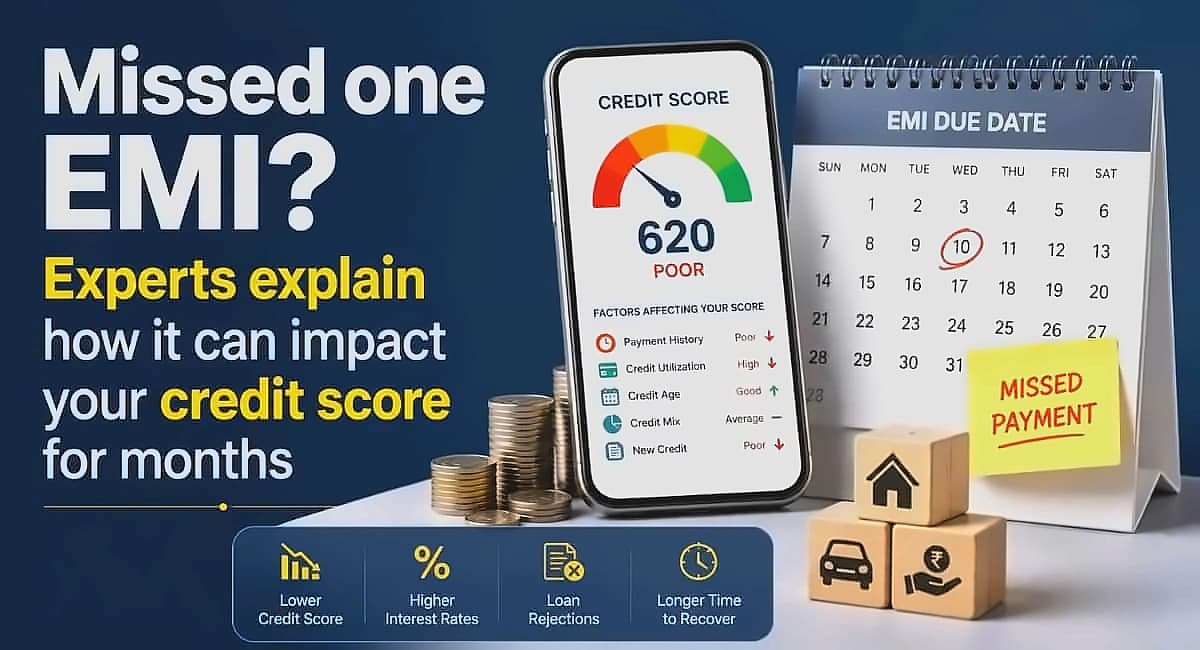
Lenders typically require a CIBIL score of 750+ and a debt-to-income ratio below 40% for optimal rates. As reported by Business Standard, borrowers with damaged credit profiles may only qualify for high-interest loans, defeating the consolidation purpose. The publication notes that if 80% of debt is on credit cards, consolidation is almost always appropriate, while those with total monthly EMIs exceeding 50% of take-home pay are in debt emergencies requiring consolidation. According to Multiple sources, lenders use credit profiles to determine approval and rates, and borrowers can access free credit reports at AnnualCreditReport.com to understand their eligibility. Personal loans offer higher borrowing limits compared to balance transfer cards, potentially allowing consolidation of larger debt amounts.