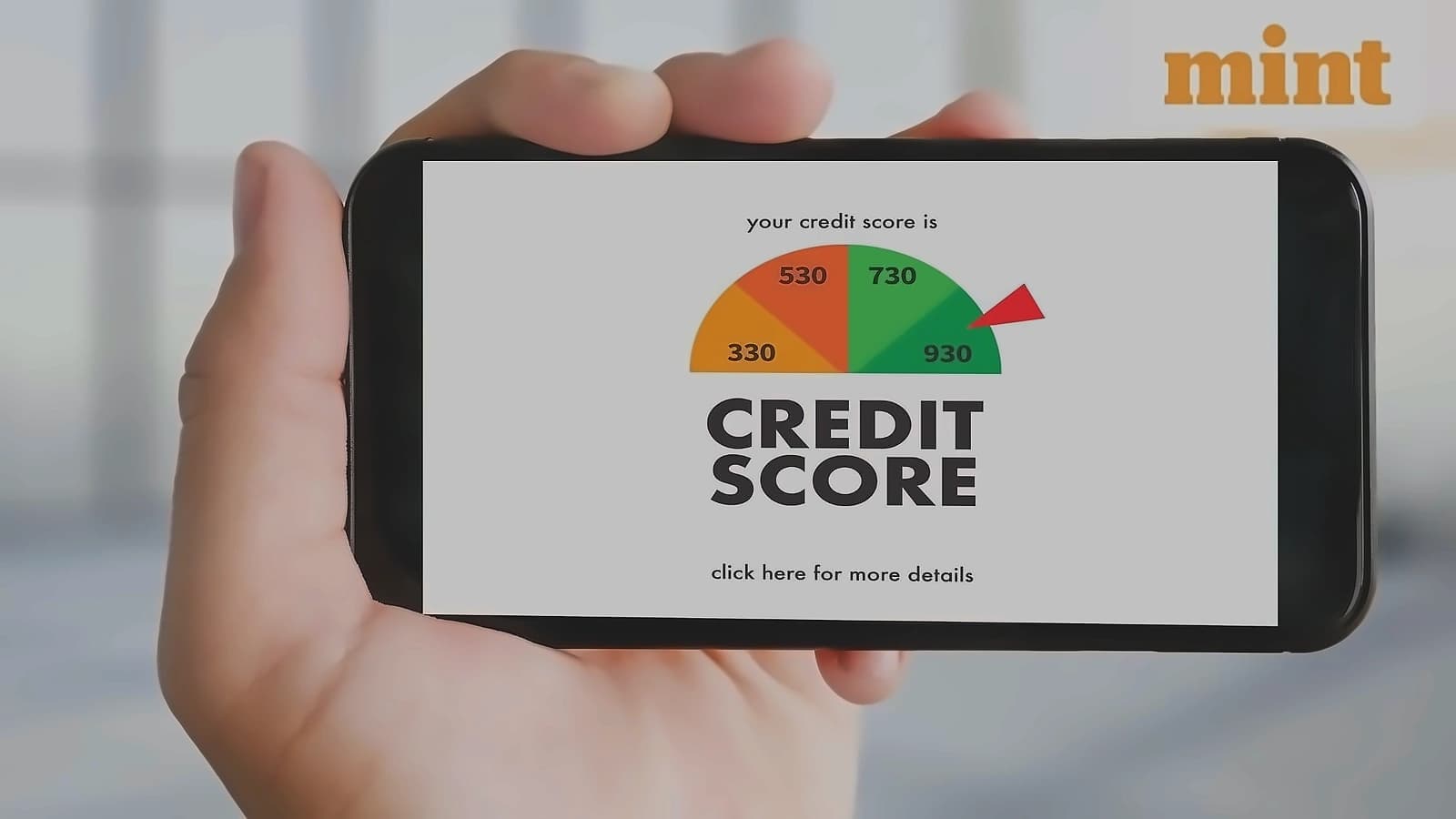
Debit card EMI services now significantly influence credit profiles through their treatment as small loans by financial institutions. According to reports from Mint, these services are reported to credit bureaus, meaning repayment behavior is closely tracked and directly impacts credit scores. The credit score, which ranges between 300 and 900 and is provided by credit bureaus including CRIF High Mark, Experian, Equifax, and TransUnion CIBIL, depends heavily on repayment history and reflects borrowing discipline. As per the latest official guidelines, payment history is the most heavily weighted factor in credit score calculation, making timely payments the single most impactful habit for a healthy score.
Debit card EMI allows customers to purchase products immediately and repay amounts in fixed monthly installments, with banks standing in for payments to merchants and collecting repayments monthly. As reported by Mint, for example, purchasing a ₹75,000 laptop on a 3-6 month EMI plan involves smaller monthly installments instead of full upfront payment. The service has become popular for products ranging from smartphones to kitchen appliances, music systems, and home cleaning products across both online and offline stores.
According to Mint's analysis, on-time EMI clearance significantly boosts credit scores by improving repayment history and building lender confidence. Conversely, missing EMI payments or defaults severely damage credit scores and complicate future borrowing, credit cards, or other debt applications. The report emphasizes that taking multiple EMIs together may increase debt burden and affect scores if not managed properly, potentially pushing borrowers into endless debt cycles. As per the latest official guidelines, even a payment that is a few days late can be reported to credit bureaus, causing your score to drop significantly. Setting up reminders or automatic payments is a simple yet highly effective strategy to ensure you never miss a due date.
As reported by Mint, successful EMI closure builds healthy credit history and demonstrates borrowing discipline, strengthening future loan prospects. The service offers benefits including easy management of large purchases through effective planning, utility for those avoiding credit cards, and potential credit score improvement when used responsibly. However, the report warns that even offers labeled '0% EMI' may still include processing fees, hidden charges, or GST, requiring careful term reading before selection. Having a healthy mix of different types of credit can positively influence your CIBIL Score, including both secured loans (like home loans or car loans) and unsecured loans (like credit cards or personal loans), demonstrating your ability to manage various forms of debt responsibly.