


Japan declared a 'state of emergency in cyber space' last week as a growing wave of cyberattacks hits major companies, hospitals and government facilities, according to a report by the Financial Times. The attacks have raised concerns that tens of millions of customer records may have been exposed, prompting Japan's financial regulator to warn banks against accepting driving licences as proof of identity when opening new accounts. This crisis underscores the growing global threat of cybersecurity breaches affecting millions of individuals worldwide.
Latest data reveals the global average cost of a data breach reached $4.44 million in 2025, representing a 9% decrease from the prior year, according to IBM's Cost of a Data Breach Report. The healthcare sector remained the costliest at $7.42 million per breach, while the average extortion or ransomware incident cost $5.08 million. Notably, 63% of organizations hit by ransomware refused to pay in 2025, up from 59% the previous year, demonstrating that reliable backups are changing the financial calculus for attackers. Recent developments show that credential-based breaches specifically cost organizations an average of $4.88 million per incident in 2024, highlighting the premium pricing for compromised authentication data.
In India, citizens lost ₹22,495 crore to cyber frauds in 2025, compared to ₹22,845 crore in 2024, as reported by the Ministry of Home Affairs. Despite the slight decline in the amount lost, the number of cyber fraud cases increased, highlighting the evolving nature of these threats. These statistics demonstrate that cybersecurity risks are not limited to specific regions but represent a global challenge requiring comprehensive protection measures.
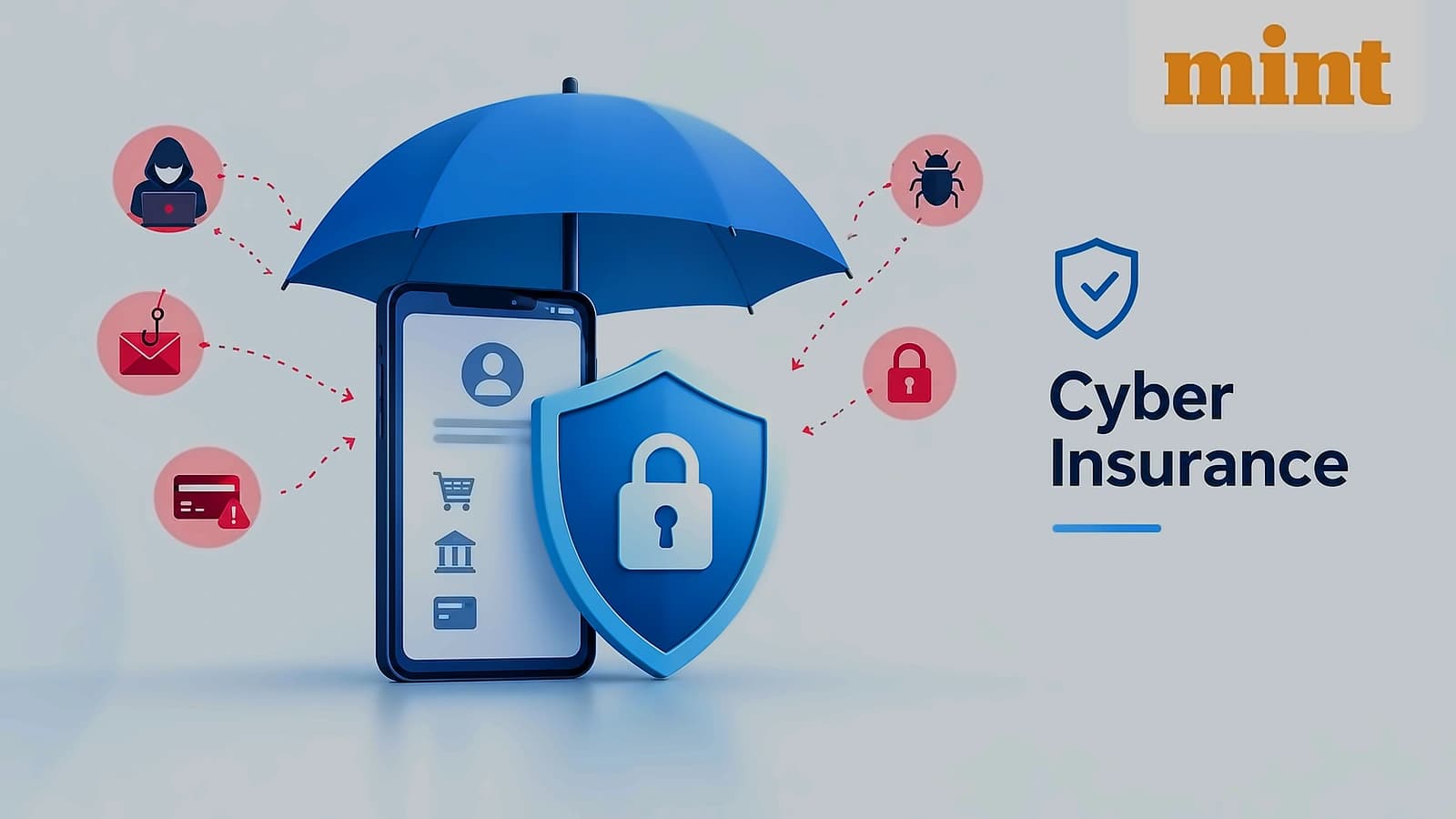
According to Ankit Gupta, CTO at Policybazaar for Business, a basic individual cyber insurance plan starts at ₹325 per year for a sum insured of ₹1 lakh. The premium depends on three key factors: sum insured amount, coverage options, and number of family members covered. Coverage typically includes identity theft, theft of funds, malware attacks, cyber extortion, and various digital fraud incidents. Some policies also cover legal assistance, data restoration, and privacy breach liability.
Policyholders must inform their insurer immediately after discovering a cyber incident and follow prescribed claims procedures, as reported by Policybazaar. Required documents include claim forms, identity/KYC documents, police complaint copies, and evidence such as screenshots, suspicious emails, and bank statements. The insurer assesses claims and may seek additional information before settlement decisions. Prompt reporting is crucial as policies often specify notification deadlines.