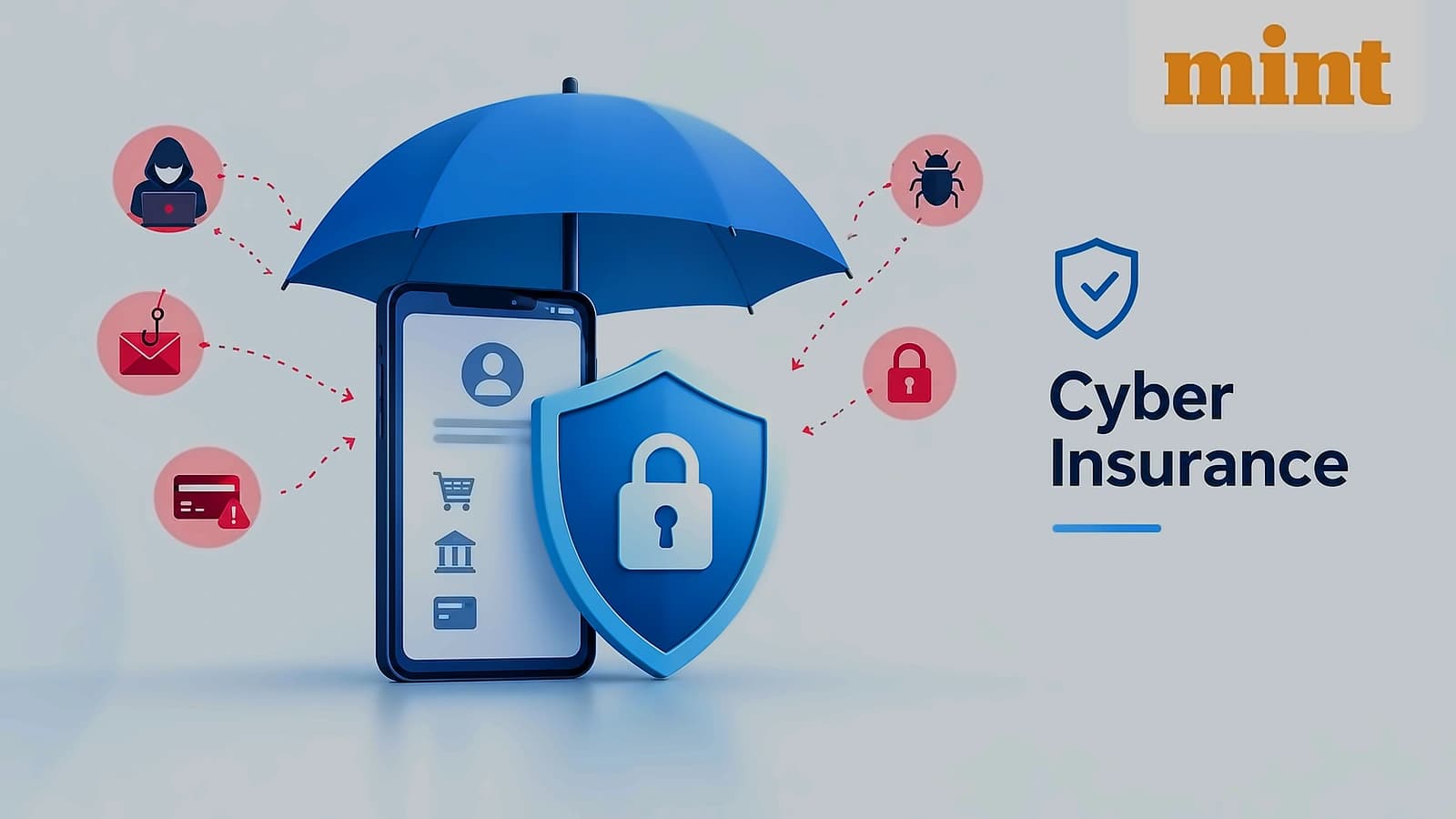
According to reports from Business Standard, fraudsters are increasingly using digital channels to target life insurance policyholders through fake calls, messages, websites and payment links. As reported by Sameer Bansal, managing director & chief executive officer of PNB MetLife, digital technology has made life insurance more accessible and convenient, but as digital interactions grow, so do attempts by fraudsters to exploit trust. The biggest risk extends beyond losing money, as sharing OTPs, passwords, banking details or policy credentials can expose customers to further financial fraud. With online policy access becoming standard, customers must remain vigilant about protecting their digital information.
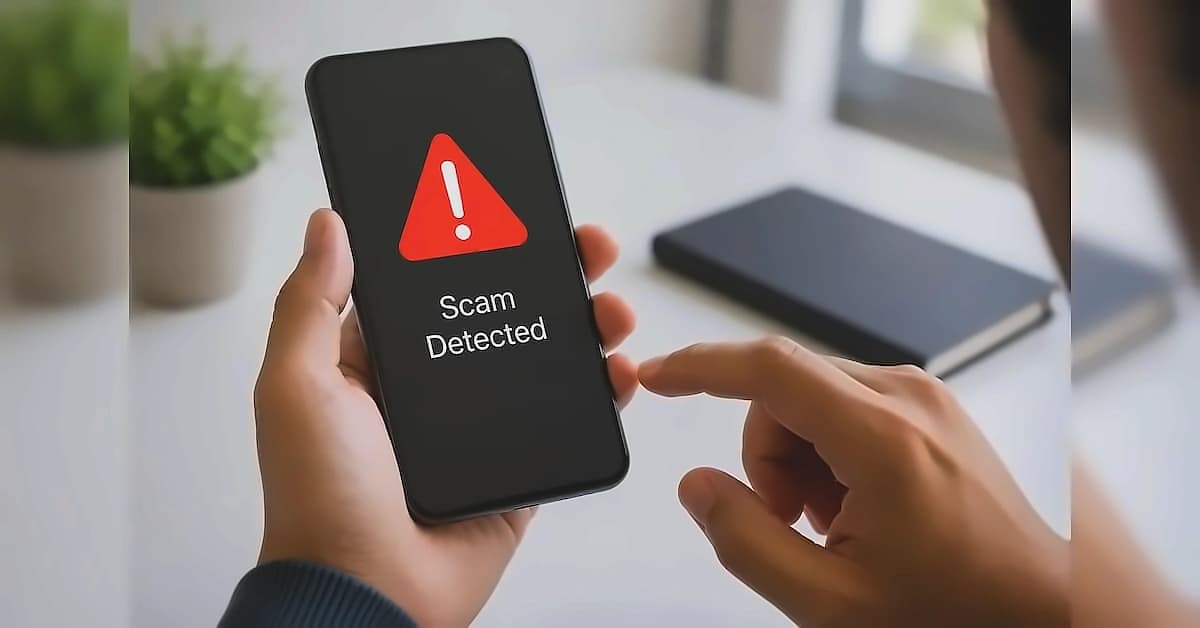
As reported by Business Standard, fraudsters may contact policyholders claiming that an old or inactive policy has accumulated a bonus or other benefit. The customer may then be asked to make an additional payment to release the money or revive the policy. Such calls can appear credible when the caller has some basic information about the policy. The customer may then be sent a link, form or payment request. A customer who clicks the link may be redirected to a fraudulent website designed to collect login credentials, card details, bank information or OTPs. The request for an immediate payment should be treated as a warning sign, and customers should independently contact their insurer through its official website or customer service number to verify whether any payment or policy action is actually required.
According to Business Standard, fraudsters may impersonate officials of regulators or the government and claim that a policyholder's insurance records require verification or that money is due to them. The use of an official-sounding designation can make such calls particularly convincing. Customers should not rely on the caller ID, number or documents shared during the conversation. If a caller claims to represent a regulator, verification should be done independently through the regulator's official channels before sharing any information or making a payment. With online policy access, customers must ensure they are accessing official insurer platforms and not fraudulent websites designed to mimic legitimate portals.
As reported by Business Standard, fraudsters commonly pose as employees of the customer's insurance company, claiming that the existing policy has a problem, that money can be recovered from a surrendered policy, or that switching to another product could generate better returns. The customer may then be sent a link, form or payment request. Some scams involve asking customers to share policy information or other confidential details. Alok Rungta, managing director and chief executive officer of Generali Central Life Insurance, advised policyholders to transact only through official company channels and never share OTPs, passwords, policy credentials or banking details with anyone. With online policy access, customers must verify that any communication comes from the official insurer domain and not from fraudulent email addresses or websites.
According to Business Standard, fake websites and payment links can closely resemble those of genuine insurers. Fraudsters may send messages asking customers to pay a premium, update their policy or complete a verification process. Rungta emphasized that technology and security controls are important for preventing fraud, but informed customers are the strongest line of defence. Communications that create urgency, promise unusual benefits or ask for sensitive information should be independently verified through the insurer's official channels. With online policy access, customers must ensure they are accessing official insurer platforms and not fraudulent websites designed to collect personal and financial information.