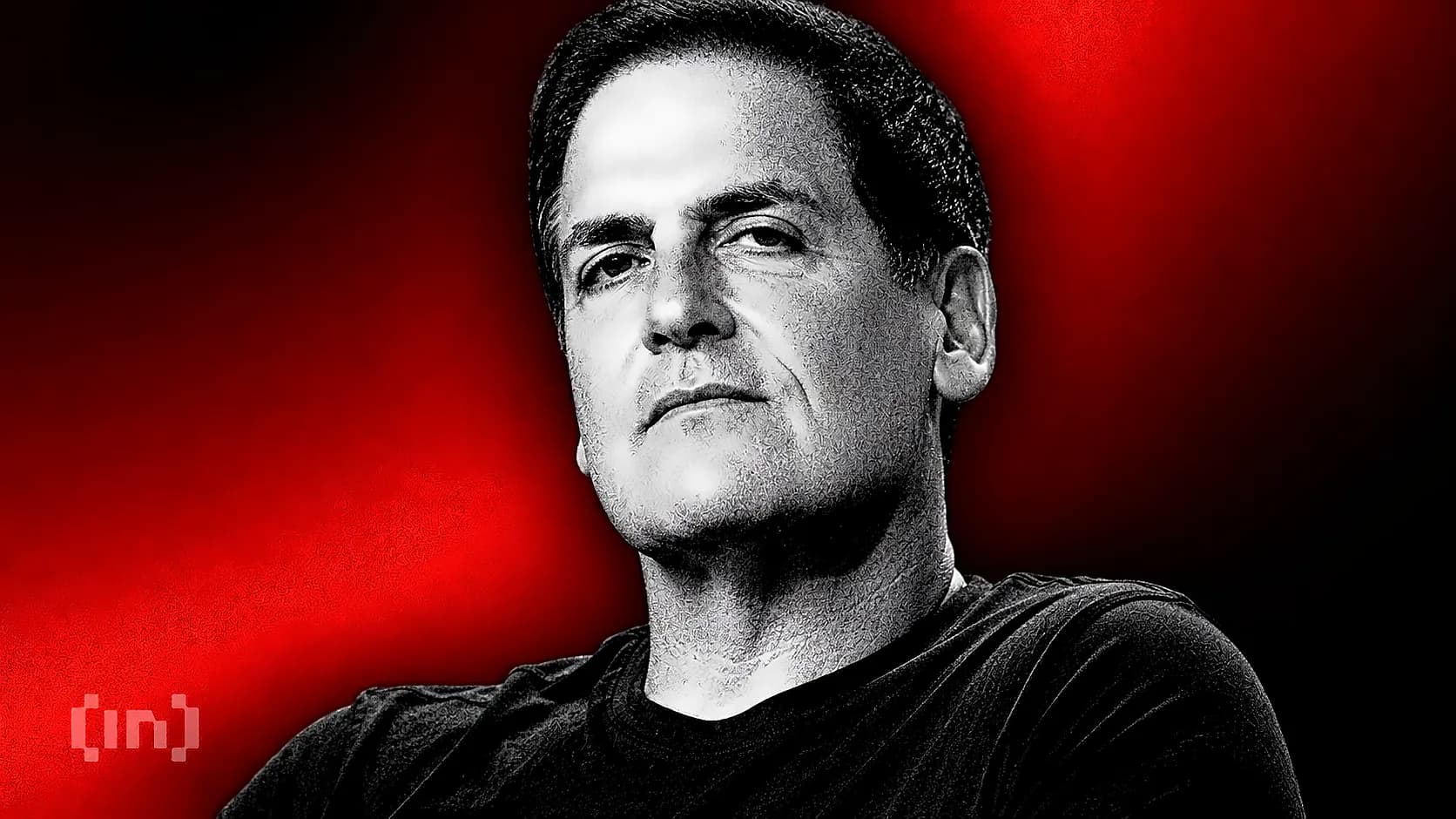
Billionaire investor Mark Cuban has proposed a radical shift in corporate ownership structure, advocating for equity distribution to all employees rather than just executives. Speaking on the What It Takes podcast by Unmoderated News, Cuban stated that 'the janitor to the CEO deserves a stake in the company they work for', emphasizing that every worker should benefit from company success. According to reports from Inc., Cuban explained that 'the way you're going to reduce income inequality for anybody who works with somebody is making sure they get shares of stock, and then they benefit'. This philosophy aligns with Cuban's personal experience, as he previously distributed stock to 330 Broadcast.com employees before Yahoo's $5.7 billion acquisition in 1999, making around 300 of them millionaires overnight. Cuban has also 'made, or helped make, at least a thousand millionaires' throughout his career, emphasizing that 'I've made sure they all got raises' when companies he invested in needed to improve employee compensation.
Cuban suggested that government tax policy could encourage broader equity distribution by offering targeted incentives. As reported by Business Insider, he proposed 'giving them incentives to say, 'Look, if you want that 21% tax rate, then you need to give every single employee the same percentage in stock warrants, options, whatever it may be, of their cash compensation that you give to the CEO'. Using a practical example, Cuban explained that if the CEO gets $100,000 worth of stock on making $1 million in cash, and the janitor makes $50,000, then they deserve the same percentage in stock. He added that 'your taxes go back up' if companies miss this threshold, creating a financial incentive for equitable distribution. Cuban has previously supported raising the U.S. federal minimum wage to $20 per hour, citing instances where companies he invested in needed to provide government assistance to employees.
The June 2026 SpaceX IPO offered concrete evidence of what non-executive equity can produce, though it predates Cuban's podcast comments. According to CBS News, SpaceX priced its initial public offering at $135 per share on June 11, 2026, selling 638,888,888 shares and bringing gross proceeds to approximately $85.7 billion. Former SpaceX welder Juan Hernandez, who joined the company in 2015, held approximately 6,500 shares when SPCX closed its first trading day at $160.95, putting the value of his stake at roughly $1,046,175. As reported by Inc., a little more than a month after the offering, SpaceX's IPO has already minted at least 4,400 millionaires, demonstrating the tangible wealth creation potential that Cuban's proposal aims to expand across all industries. Research from the National Center for Employee Ownership indicates that roughly 15.1 million Americans participate in 6,609 employee stock ownership plans, with more than $2.1 trillion in assets based on 2023 plan-year data.
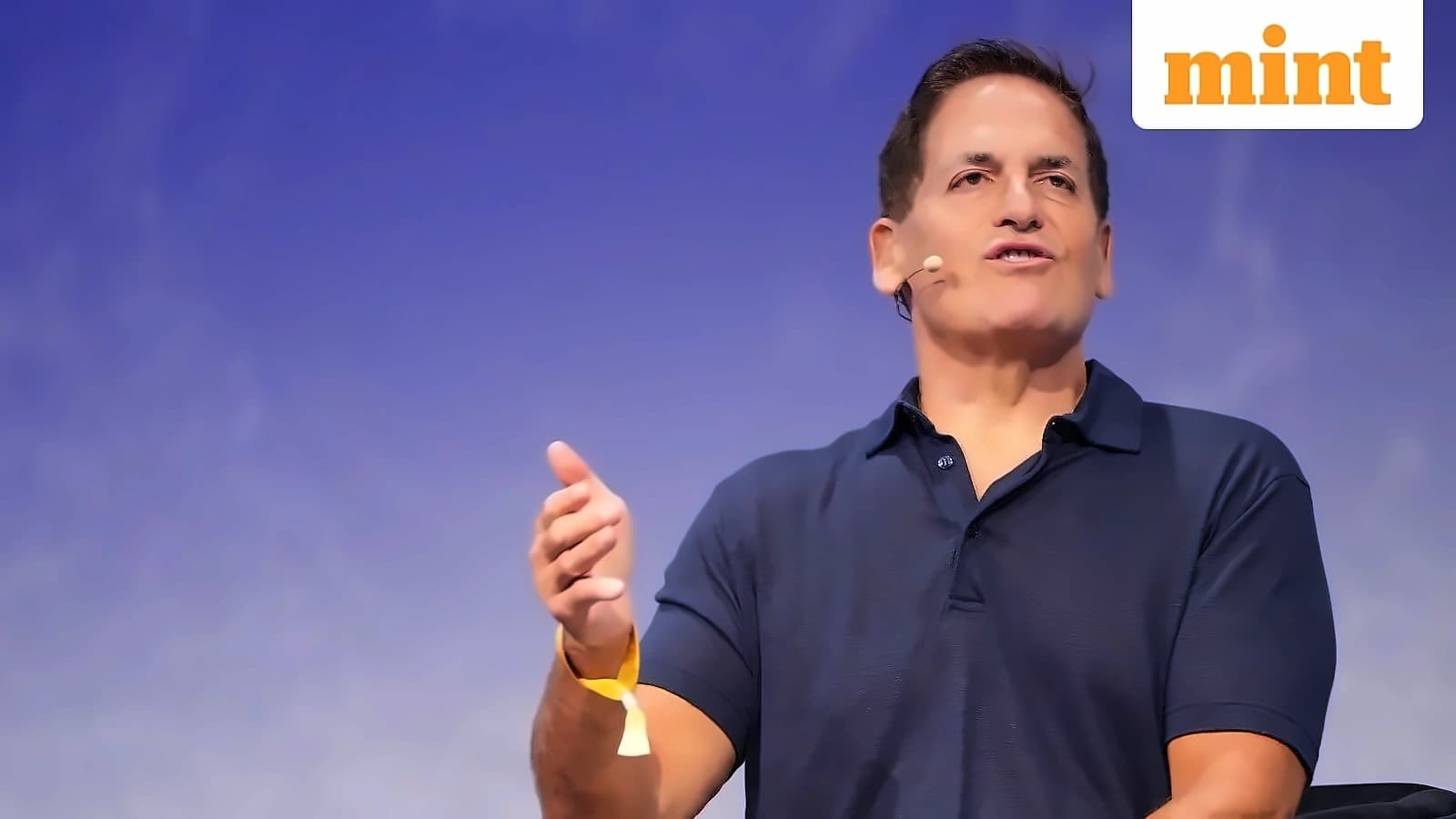
Cuban's approach to wealth distribution has proven successful in his own business ventures beyond Broadcast.com. As reported by Inc., he has 'made, or helped make, at least a thousand millionaires' throughout his career, emphasizing that 'I've made sure they all got raises' when companies he invested in needed to improve employee compensation. His philosophy stems from his experience co-founding Broadcast.com, where he distributed stock to employees before the company's acquisition, demonstrating that 'it was embarrassing to me that we didn't pay enough' when employees required government assistance. This approach reflects his belief that 'I've made, or helped make, at least a thousand millionaires' and his commitment to increasing that number through equitable compensation structures. Harvard Business School professor Ethan Rouen notes that equity ownership can strengthen performance incentives because workers gain a direct claim on future upside, aligning with similar comments from other technology leaders who argue broader ownership can better align company and employee interests. Research from Rutgers University indicates that firms offering at least 5% equity stakes have a greater likelihood of long-term survival, attributed to enhanced job security and unified drive toward collective goals.
Cuban's proposal addresses a widening executive-to-worker compensation gap that has accelerated significantly over the past decade. According to the AFL-CIO's 2025 Executive Paywatch report, the average S&P 500 CEO took home $18.9 million in total compensation in 2024, while the median U.S. worker earned $49,500, producing a ratio of 285-to-1. This contrasts sharply with 21-to-1 in 1965, according to the Economic Policy Institute's data. The 2024 executive pay data underscores the imbalance that Cuban says employee equity could help address. Research supports this direction, with a 2021 Harvard Business School study finding that if all private firms in the U.S. became 30% employee-owned, household wealth would effectively double, while the wealthiest 1% would see average net wealth decline by 14%. The National Center for Employee Ownership estimates that median retirement balances for workers at S corporation ESOPs are $80,500, more than double the $30,000 median for workers at similar non-ESOP companies.