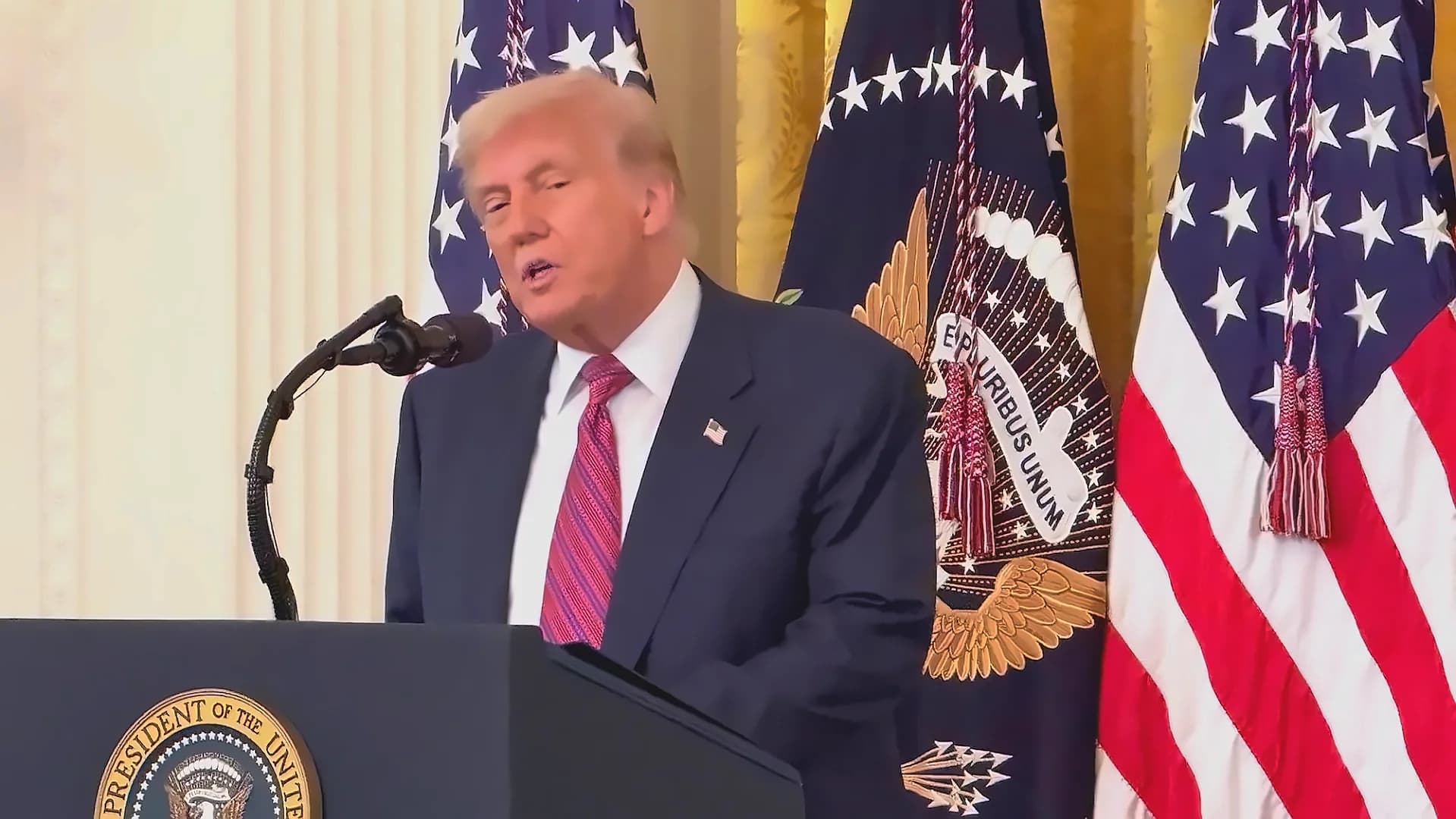
President Trump has endorsed Mark Cuban's proposal for a federal tax on artificial intelligence tokens at less than 50 cents per million, marking a significant development in the debate over AI regulation. According to reports from BeInCrypto, Trump revealed the shared position during a White House meeting with Cuban, highlighting the growing bipartisan support for AI oversight. The Dallas Mavericks owner's proposal, announced on May 18 local time, is structured as a sales-tax-style charge on commercial providers, with open-source models and local inference sitting outside its scope. The levy would generate revenue as AI service usage grows, with Trump's endorsement potentially accelerating the path to legislative consideration.
Cuban estimated the levy could yield about ₹8,300 crore (approximately $10 billion) a year at the start, as reported by BeInCrypto. He said the figure could expand sharply as inference demand grows. Revenue could fund federal debt reduction or programs responding to AI disruptions. The proposal centers on energy concerns, with data centers running large language models already drawing heavily on US grids. Cuban said the tax would push providers toward efficiency gains that exceed their tax outlay, including tokenisation, caching, routing and regional computing optimisation to reduce power burdens. The magnitude of revenue would likely increase dramatically as AI usage spreads across multiple verticals including finance, healthcare, education, and government services.
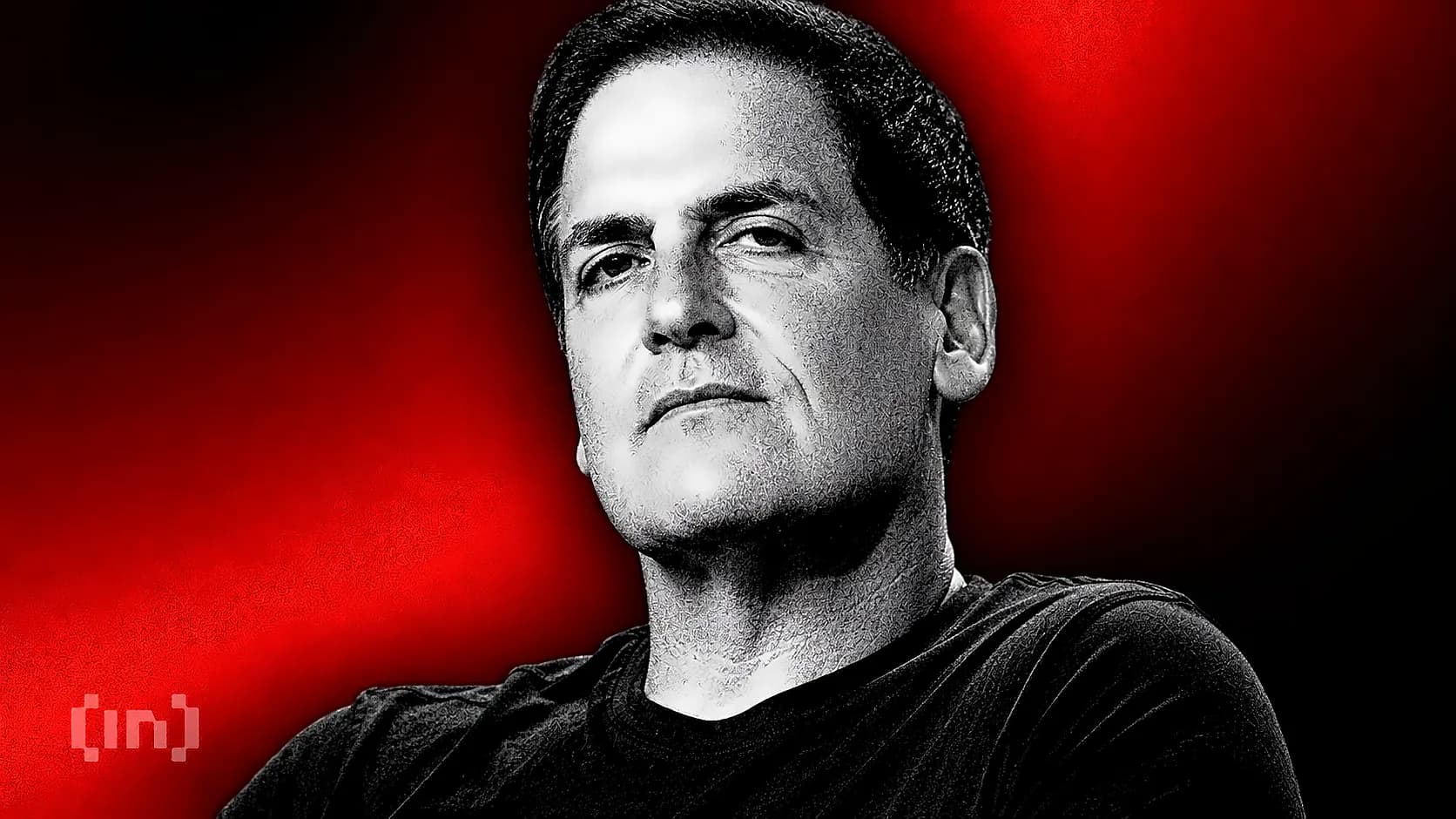
Cuban has undergone a significant shift in his stance on cryptocurrency regulation, moving from skepticism to active support. According to BeInCrypto, he previously treated any crypto rule as unacceptable but now advocates for oversight. "This is exactly what everyone said about crypto," Cuban wrote on social media while discussing the AI tax proposal. "Any regulation is bad." The proposal mirrors the regulatory path crypto once resisted, with crypto firms' lobbying quadrupling in recent years. As artificial intelligence gets more deeply embedded in these sectors, Washington and other global capitals are beginning to feel the pressure for clearer oversight, with advocates for AI supervision saying businesses should pay for the economic impacts of automation.
Anduril founder Palmer Luckey said the measure would tax American firms while pushing customers toward foreign models, as reported by BeInCrypto. He warned of new infrastructure for federal tracking of AI usage. "This is just a tax on U.S. companies, and it will make foreign models and products more attractive," Luckey said, adding that the government will build infrastructure to track all AI usage and punish users who do not report it. If operating costs in the United States rise, Luckey said companies and consumers may migrate to offshore AI providers. Critics from the libertarian and startup communities also worry that the proposal would slow innovation at a moment when it is critical to compete in the world's AI race, as the US currently competes with countries like China for artificial intelligence development.