The O-1 visa, often called the "genius visa," is one of the most powerful US work visas for individuals with extraordinary ability. While many assume the O-1 is reserved for celebrities and elite athletes, a large number of approved applicants are startup founders, researchers, engineers, scientists, and business leaders who demonstrate exceptional achievement in their field. As reported by Deel, O-1A visa eligibility is highly subjective, with many qualified professionals facing delays or denials due to weak evidence strategy, unclear narratives, or poorly assembled petitions. Successful applications focus on meeting the right eligibility criteria with strong, well-documented evidence and a legal narrative that aligns with USCIS expectations.
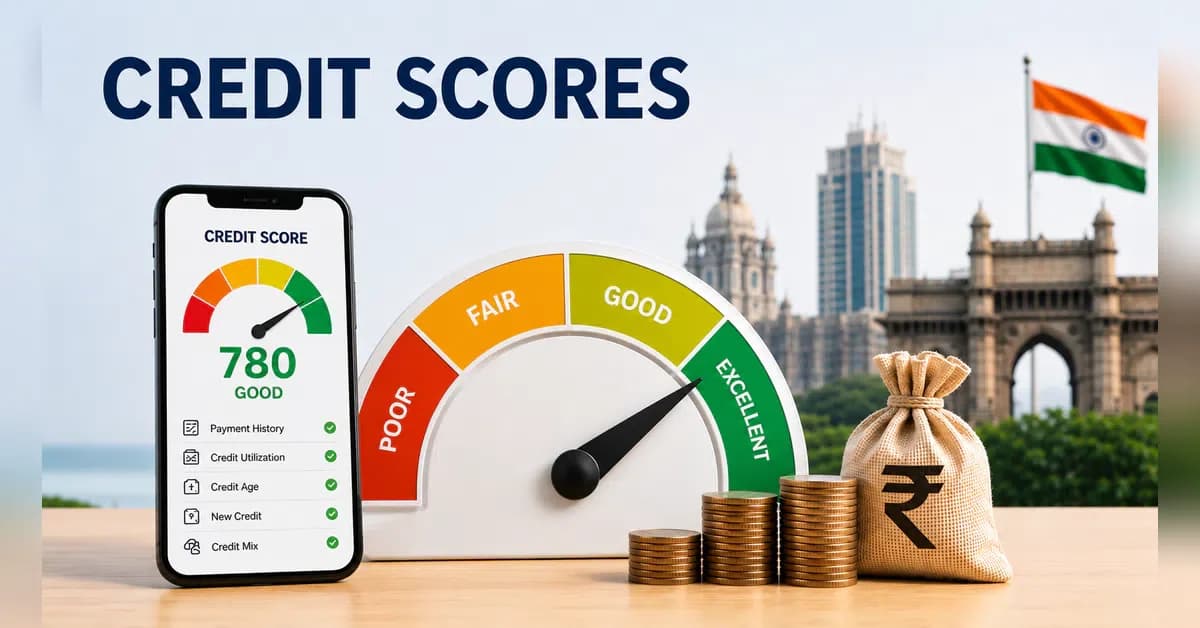
According to reports from Mint, credit scores are three-digit numbers representing an individual's credit behavior, with scores ranging from 300-900 provided by major credit bureaus including TransUnion, CIBIL, Experian, Equifax, and CRIF High Mark. While credit scores don't directly determine visa approvals, they can reflect financial integrity, creditworthiness, and repayment history. Higher scores above 750 indicate responsible financial habits, while lower scores reflect poor financial management and raise concerns about financial stability. As per Mint, maintaining healthy credit profiles involves paying pending bills, loan EMIs, and credit card bills on time, focusing on reducing unnecessary debt, and diligently reviewing financial records and credit reports.

As reported by Mint, most visa applications don't have fixed credit score requirements, but work, study, residency, or long-term stay requests may focus on financial self-sufficiency. Credit scores generally have no direct impact on visa applications, but maintaining healthy financial profiles can enhance credibility and transparency. Immigration authorities prioritize documents such as income proof, address proof, identity proof, savings, employment details, and financial statements during assessments. According to Mint, visa applications require comprehensive financial documentation including bank statements to prove fund availability, income proof demonstrating expense management capabilities, and debt history that may indicate financial obligations and repayment behavior.
According to Mint, visa applications require comprehensive financial documentation including bank statements to prove fund availability, income proof demonstrating expense management capabilities, and debt history that may indicate financial obligations and repayment behavior. Repayment records reflect responsible money management and show commitment to financial responsibilities. A healthy credit score can strengthen overall financial profiles by showcasing on-time repayments and controlled debt management. As reported by Mint, maintaining a positive credit history involves paying pending bills, loan EMIs, and credit card bills on time, focusing on reducing unnecessary debt, and diligently reviewing financial records and credit reports.
As reported by Mint, maintaining a positive credit history involves paying pending bills, loan EMIs, and credit card bills on time, focusing on reducing unnecessary debt, and diligently reviewing financial records and credit reports. Raising and resolving credit profile-related disputes amicably can help maintain financial health. While poor credit scores don't automatically result in visa rejection, unresolved debt or financial instability may raise concerns during background checks. According to Mint, visa applications require comprehensive financial documentation including bank statements to prove fund availability, income proof demonstrating expense management capabilities, and debt history that may indicate financial obligations and repayment behavior.