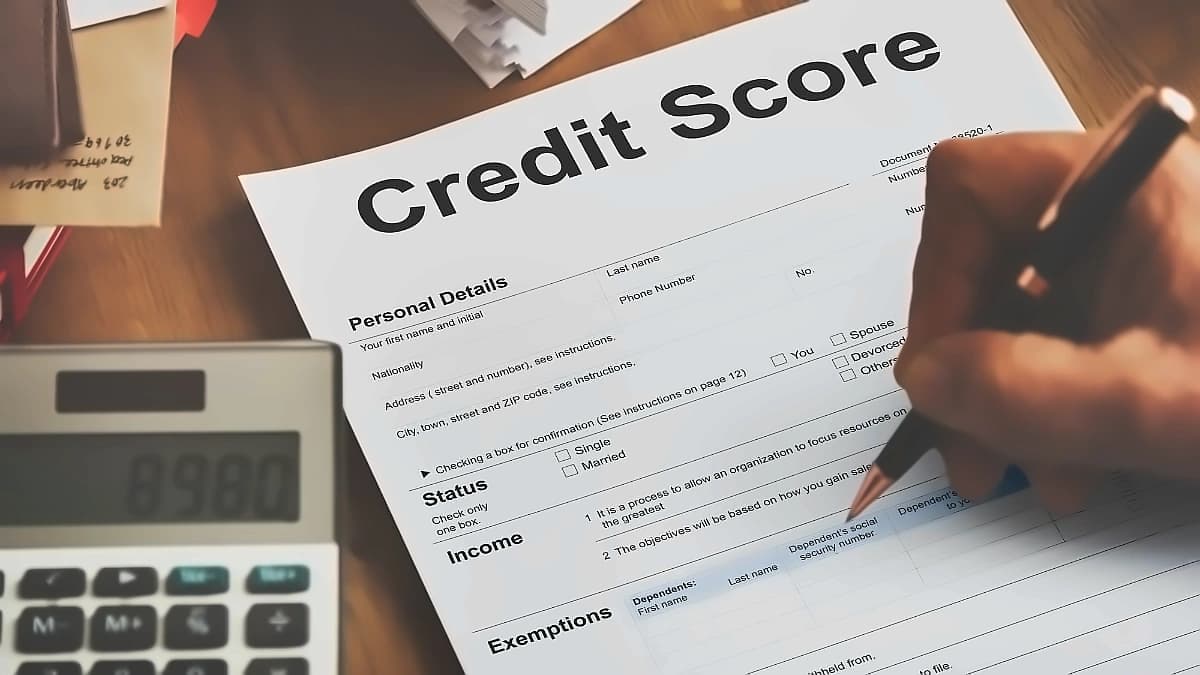
A credit score, also known as a CIBIL score, is a three-digit number typically between 300 and 900 that banks use to assess financial reliability. According to reports from ABP Live Business, a score above 750 is considered excellent, providing borrowers access to loans at favourable interest rates. Most banks are reluctant to lend to individuals with scores below 700, making a good credit score crucial for securing loans for houses, cars, or personal emergencies. As reported by Moneycontrol, credit card bill payments play an important role in shaping your credit score, with payment history being one of the most significant factors that affect creditworthiness. Regular monitoring of your credit score is essential, as you can check your CIBIL score free once a year to ensure accuracy and improve it by paying EMIs and bills on time.
Missed or late EMI payments represent the most significant factor affecting credit scores, as reported by ABP Live Business. Other critical mistakes include multiple loan inquiries within short periods, which add up on credit reports and decrease scores. Closing credit cards may seem responsible but reduces total available credit limit and shortens credit history, while prepaying loans before tenure causes temporary dips by changing credit mix. These factors collectively impact creditworthiness and can make it difficult to secure future loans. According to Moneycontrol, minimum payments can ease short-term cash flow pressure, but high interest rates and compounding charges can quickly turn manageable dues into long-term debt if not cleared promptly.
According to ABP Live Business, making on-time payments is the most effective way to improve credit scores, as it signals reliability to lenders. Lowering credit utilisation ratio to around 30% of total available credit limit is crucial, with higher utilisation indicating financial strain. Retaining old accounts can boost scores by maintaining longer credit history, while avoiding new credit applications prevents multiple hard inquiries that destabilise credit profiles. As reported by Moneycontrol, early credit card bill payments help maintain a low utilisation ratio, which is essential for a higher credit score. However, paying before the statement date is crucial, as any payment made afterward will not count as an early payment. Regular credit report monitoring helps spot errors and track progress toward improvement goals.
As reported by ABP Live Business, credit scores cannot be improved overnight but consistent efforts can lead to visible improvements within 6 to 12 months. The improvement timeline depends on various factors including payment history, credit utilisation, and account management. According to Moneycontrol, a strong credit score depends on multiple factors, including long-term payment consistency, financial discipline and debt management. Regular monitoring and adherence to these strategies can help individuals achieve and maintain excellent credit scores, providing access to better loan terms and financial opportunities. A good credit score increases the chances of approval while a low score can lead to rejection, with borrowers with high scores able to get credit cards with higher limits, better rewards, and perks like cashback, travel points, or insurance benefits.