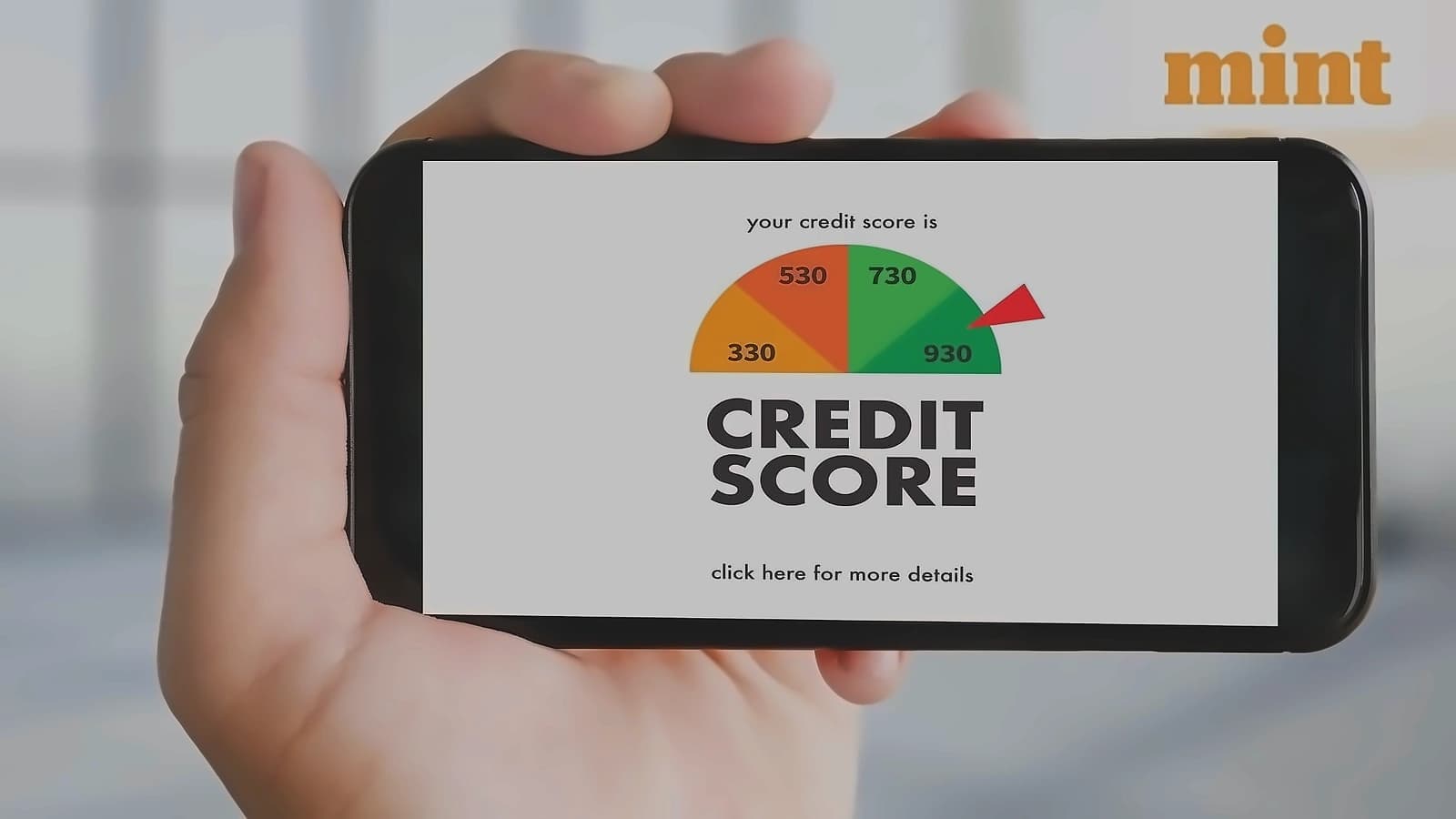
Your credit score is a three-digit number ranging from 300 to 900, provided by leading credit bureaus including CRIF High Mark, Experian, Equifax and TransUnion CIBIL. According to reports from Mint, scores above 750 are generally considered excellent, while scores of 650 or lower are considered weak. This powerful metric significantly influences loan approval, interest rates, and terms offered by lending institutions, making regular monitoring essential for maintaining a healthy credit profile. As reported by Sweet Home FCU, fixing minor errors or paying down small credit card balances can bump your score up a few key points, potentially unlocking lower interest rate tiers that can save borrowers hundreds or thousands of dollars over the life of their loans.
As explained by Ashish Lath, Founder & CEO of SaveSage, most credit report errors are simple to identify through regular monitoring. Key areas to check include unfamiliar loan accounts, loans marked as open after closure, incorrect payment statuses, and duplicate entries. According to Nicky Sehwani, CBO of InstaMoney, consumers should regularly review their reports for unfamiliar accounts, incorrect late payments, duplicate entries or outdated balances. Borrowers must track corrections rather than assuming disputes automatically resolve issues. As noted by Sweet Home FCU, errors on credit reports happen more often than you'd think, whether it's an old paid-off account listed as open or a simple clerical mistake in personal information.

The verification process involves matching payment history with bank records, loan statements and payment receipts to identify discrepancies. As reported by Mint, loan accounts that have been fully repaid should not continue showing as 'active' or incorrect outstanding balances. Duplicate accounts must be checked for as repeated reporting of the same debt can distort credit profiles. Any discrepancies should be flagged immediately with the respective credit bureau and concerned lending institution. According to Sweet Home FCU, pulling a copy of your credit report before applying for any loan allows you to identify and fix errors before the loan process begins.
Once errors are identified, borrowers must submit disputes to relevant credit bureaus with clear supporting documents. According to Mint, credit bureaus must resolve genuine errors within 30 days. The process requires tracking dispute progress, asking legitimate questions with concerned officials, and verifying updated reports once corrections are made. Regular review and follow-through ensure credit profiles reflect actual financial behavior rather than reporting errors. In New Zealand, the Credit Reporting Privacy Code 2020 governs this process, providing clear legal rights for consumers to have wrong information corrected.