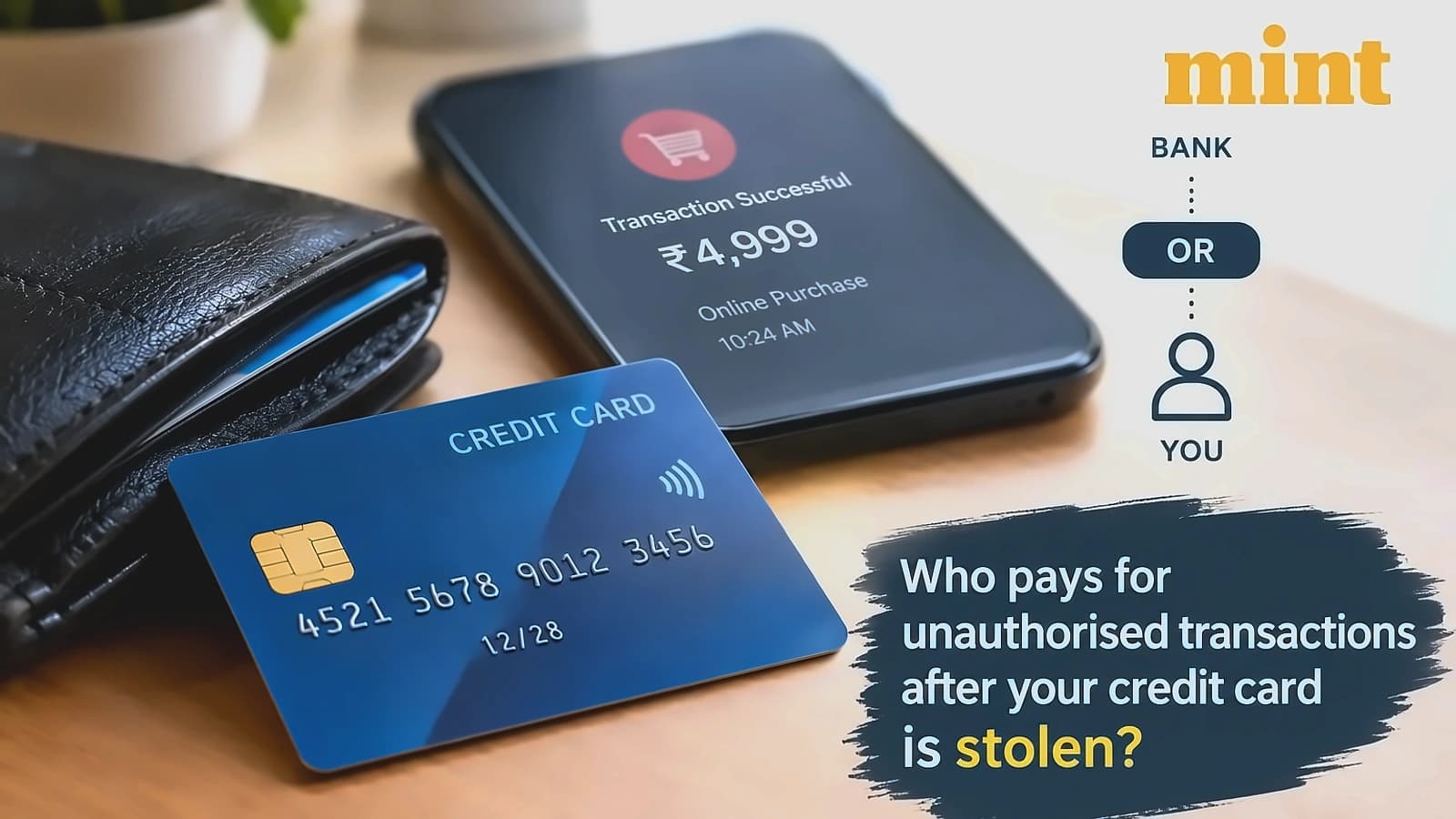
Under Reserve Bank of India (RBI) guidelines, cardholders who report unauthorised electronic transactions within three working days of receiving communication from the bank can qualify for zero liability, provided there has been no negligence on their part. According to reports from Business Standard, fraudsters often test stolen card details with small transactions before attempting larger purchases, making immediate action crucial to prevent additional fraudulent transactions and preserve customer protection rights. Financial experts emphasize that any unexplained credit card charge should never be ignored, even if it later turns out to be legitimate, as reporting quickly preserves rights and ensures potential fraud is investigated before further damage occurs.
The first action cardholders should take after spotting a suspicious charge is to block the card immediately through mobile banking applications, internet banking portals, or customer care helplines. Most banks now allow customers to instantly block or temporarily freeze their cards through these channels. As reported by Business Standard, customers should provide transaction details including the date, amount, merchant name, and transaction reference number when reporting to the bank. It is also advisable to submit a written complaint through email, mobile app, or formal letter, clearly stating the transaction is unauthorised and requesting a chargeback investigation. Documentation can strengthen dispute claims, with consumers preserving transaction alerts, account statements, screenshots, emails, and merchant communication proof.
RBI's framework on customer liability for unauthorised electronic transactions provides significant protection to consumers who act promptly. Zero liability is available if the unauthorised transaction is reported within three working days of receiving the bank's alert and the customer has not contributed to the fraud. Many banks provide provisional credit during the investigation process, often within 10 working days, and banks are generally expected to complete the investigation and resolve disputes within 90 days. However, if customer negligence is established, such as sharing OTPs, passwords, or card details, the customer may have to bear losses until the fraud is reported. These protections make early reporting one of the most important safeguards available to cardholders.
When traditional RBI grievance mechanisms fail to resolve banking fraud cases, consumers can escalate to National Consumer Disputes Redressal Commission (NCDRC) for high-value disputes. According to legal experts, NCDRC handles original consumer complaints with pecuniary jurisdiction for cases exceeding certain monetary thresholds, making it the apex consumer forum for banking fraud matters. However, consumers must first exhaust internal bank grievance procedures and approach RBI Ombudsman before filing NCDRC complaints. Legal professionals emphasize that banking fraud cases require separate legal action - filing consumer complaints for service deficiency, cybercrime complaints for criminal aspects, and police complaints for identity theft or organized fraud rings. The first 7-30 days after discovering fraud are crucial for gathering evidence, creating chronologies of events, and preserving transaction records before crucial data gets deleted or overwritten.
Consumers often discover that suspicious transactions are not always criminal activity, with common reasons including subscription services automatically renewing after free trial periods, duplicate billing by merchants, international transactions with different merchant names, and charges made using supplementary cards issued to family members. Additional causes include currency conversion adjustments or delayed merchant settlements. As reported by Business Standard, before filing a dispute, cardholders should carefully review recent purchases, subscription services, and supplementary card usage, but if there is any doubt, it is safer to report the transaction and allow the bank to investigate. Where the issue involves non-delivery of goods, incorrect billing, or merchant disputes rather than outright fraud, customers should also contact the merchant and retain proof of communication.