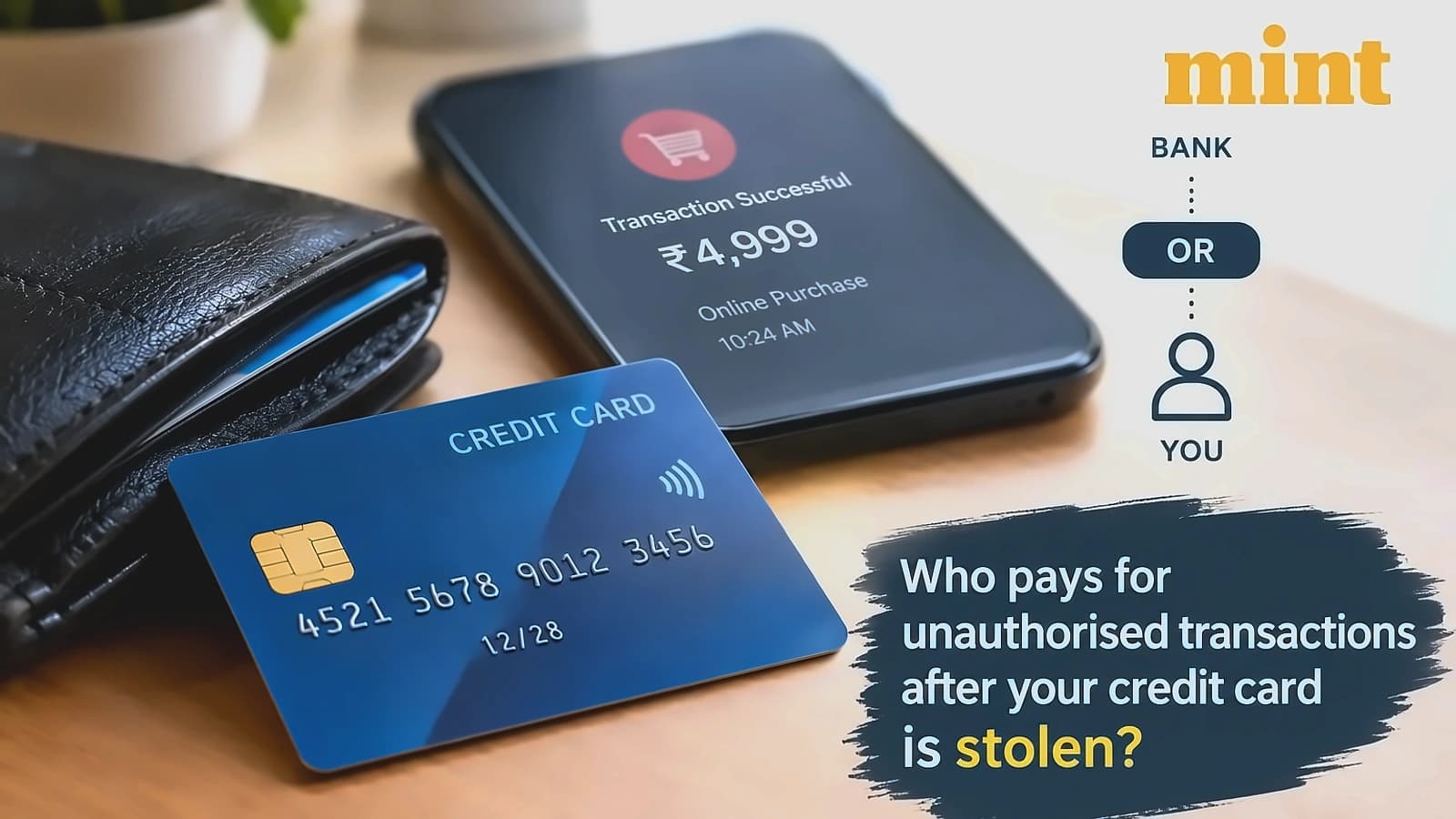
The Reserve Bank of India (RBI) has established comprehensive guidelines for credit card replacement procedures, requiring card issuers to provide customers with clear mechanisms for reporting lost, stolen or misused cards. According to reports from Livemint, RBI mandates that card issuers make relevant procedures and contact information available to their customers through multiple channels including official mobile apps, websites, customer-care helplines, and branches. The central bank has also prescribed security requirements for card issuers, including providing transaction-related receipts to customers. As per Moneycontrol, RBI requires card issuers to maintain clear replacement and grievance procedures while customers should continue protecting their card and account information throughout the process.
The credit card replacement process involves five critical steps as outlined by Livemint. The first step requires contacting the card issuer through official channels to notify them of the damaged card and request a replacement. Customers must avoid using links from unsolicited messages or emails and should ask the bank whether the damaged card needs to be blocked before replacement issuance. RBI guidelines specify that replacement cards should only be issued after obtaining the cardholder's explicit consent when a card is blocked at the customer's request. According to Moneycontrol, customers must check whether a replacement fee applies and follow the bank's replacement-card process, providing the requested confirmation or details.
Before disposing of the damaged card, customers must review recurring payments linked to the old card, as replacement cards may have different card numbers, expiry dates, or CVV details. As reported by Livemint, services such as streaming platforms, insurance premiums, and merchants may require new card details for uninterrupted payments. The replacement card process requires checking delivery timelines and ensuring the replacement maintains the same credit limit and account details. According to Moneycontrol, customers must activate new cards only through issuer's official channels and never disclose sensitive details like OTP, PIN, or CVV to unauthorized parties. The Reserve Bank of India has instructed issuers to follow certain security norms and give transaction receipts to customers.

Replacing a physical credit card does not cancel outstanding credit-card balances, requiring customers to continue paying bills according to existing payment due dates. According to Livemint, customers must review recent transactions after activating the replacement card and confirm that the damaged card has been blocked or replaced as requested. RBI's card-related directions require issuers to provide round-the-clock channels for reporting unauthorized transactions and blocking cards. As per Moneycontrol, customers should maintain the replacement request number and confirmation until the entire process is completed. If customers notice unauthorized transactions, they must report them immediately through the bank's official channels.