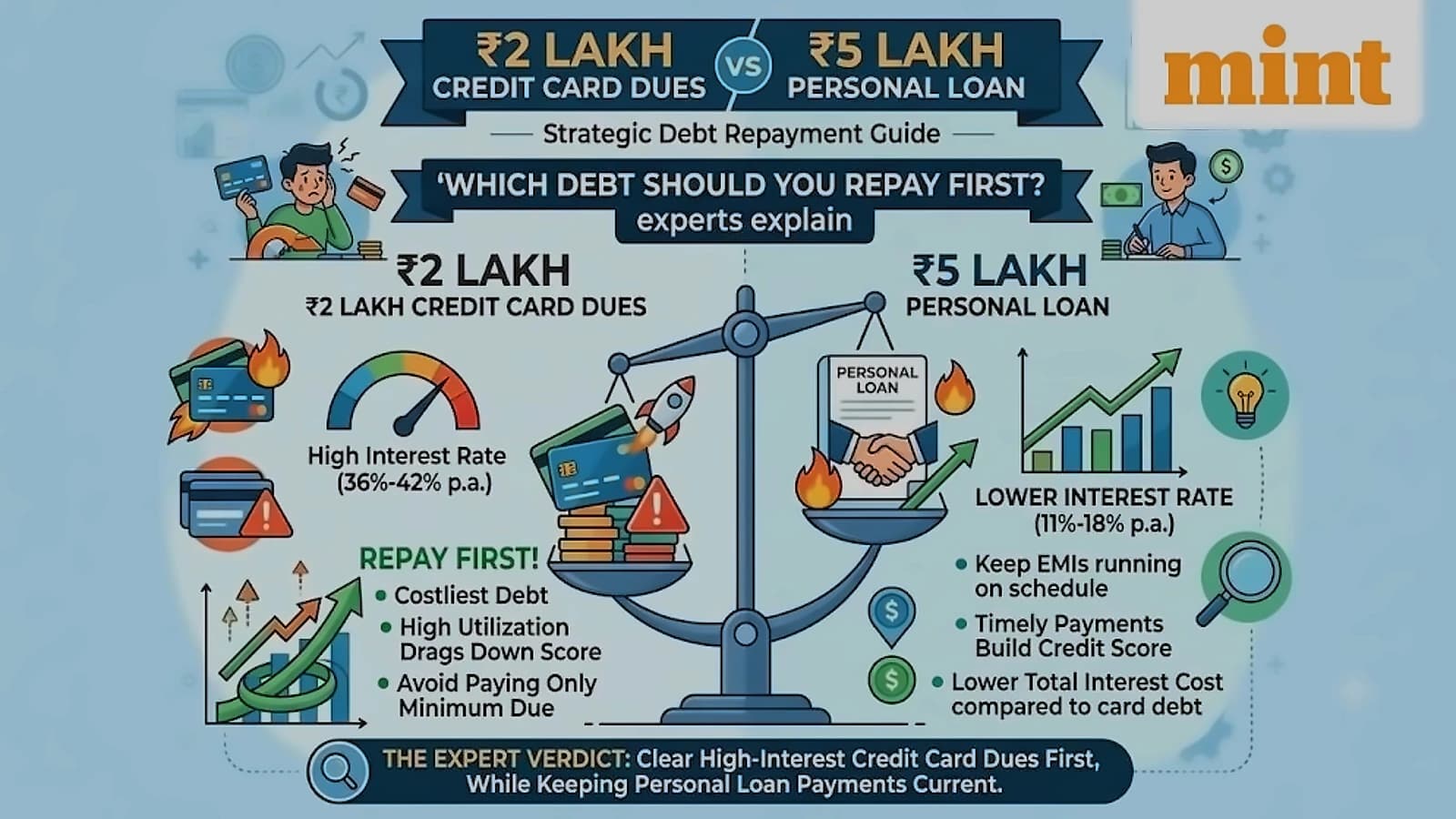
According to Mint reports, Raj P Narayanam, Executive Chairman of Zaggle, emphasizes that credit card debt represents the most expensive and avoidable debt for most Indians. As reported by Mint, Narayanam states that the path to breaking free begins with a fundamental rule: never carry a balance and pay the full outstanding every month, not just the minimum. For those already in debt, he recommends stopping card usage, prioritizing clearing the highest-interest balance first, and considering EMI conversion at lower rates. According to Mint, Narayanam emphasizes that financial freedom isn't just about earning more, but about owing less.

As reported by Mint, paying only the minimum amount shown on monthly statements is one of the biggest mistakes credit card users make. While this prevents accounts from becoming overdue, the remaining balance continues to attract interest and can take much longer to repay. According to Mint, a better approach involves paying the total outstanding amount by the due date whenever possible to avoid finance charges on carried-forward balances. For those struggling with multiple balances, listing all outstanding dues along with their interest rates can help bring clarity, with the strategy of paying off the highest-interest debt first while making required payments on other dues.
According to Mint reports, repaying debt becomes challenging when new expenses continue to be charged to the same credit card. To avoid this cycle, Mint recommends temporarily stopping credit card usage and having clear discussions with credit card issuers about available repayment or EMI options. As reported by Mint, all associated aspects including interest rates, processing fees, and total repayment amounts should be carefully evaluated. The focus should be on having fewer financial obligations rather than just accumulating more liquid cash and funds. Recent reports emphasize that building a clear payoff plan can help manage stress and provide a measurable approach to debt reduction, even before the balance is completely gone.
Credit card debt significantly impacts your financial health through multiple channels beyond interest charges. As reported by Mint, credit utilization ratio - the share of total credit limit you're using - counts for 30% of your FICO score, making high balances particularly damaging even if payments are made on time. The debt-to-income ratio (DTI) - monthly debt payments divided by gross monthly income - affects mortgage and auto lending decisions. If credit card debt remains unpaid for 180 days, issuers can send accounts to collections agencies, creating a seven-year negative mark on your credit report that can affect future loan approvals and interest rates. Most negative marks from credit card debt, including late payments or charged-off accounts, stay on credit reports for seven years from the first missed payment. Recent analysis shows that high card balances can lower your credit score and raise your DTI, which can lead to smaller loan offers, higher interest rates, or loan denials when applying for mortgages.
Beyond financial consequences, credit card debt creates significant emotional stress that can impact work, relationships, and overall well-being. According to recent reports, people carrying balances often report higher stress, trouble sleeping, and worry about the future, which can spill over into work and relationships. The emotional toll of managing debt can be harder to measure but is definitely real, creating a constant sense of dread that makes it feel much heavier than the actual amount owed. Credit card debt can also limit future plans, from budgeting to renting apartments, as many landlords require credit checks and may decline applications for those with lower credit scores due to outstanding debt. Recent analysis confirms that credit card debt often feels much heavier than the amount you owe and can create a looming burden that creates constant dread.