Closing a credit card does not automatically cancel remaining EMIs, as reported by The Times of India. Many consumers convert major purchases like phones, laptops, furniture, or travel bookings into monthly installments, then decide to close the card later. The first thing to understand is that closing the card does not mean the remaining EMI gets cancelled - the money still owed must be paid. For example, if you bought a ₹72,000 phone and converted it into a 12-month EMI, after paying five installments, the remaining seven installments will still be due regardless of card closure. This principle extends to no-cost EMI arrangements, where the term 'no-cost' only relates to how interest costs were adjusted when the transaction was made - it does not mean the purchase disappears if the card is cancelled.
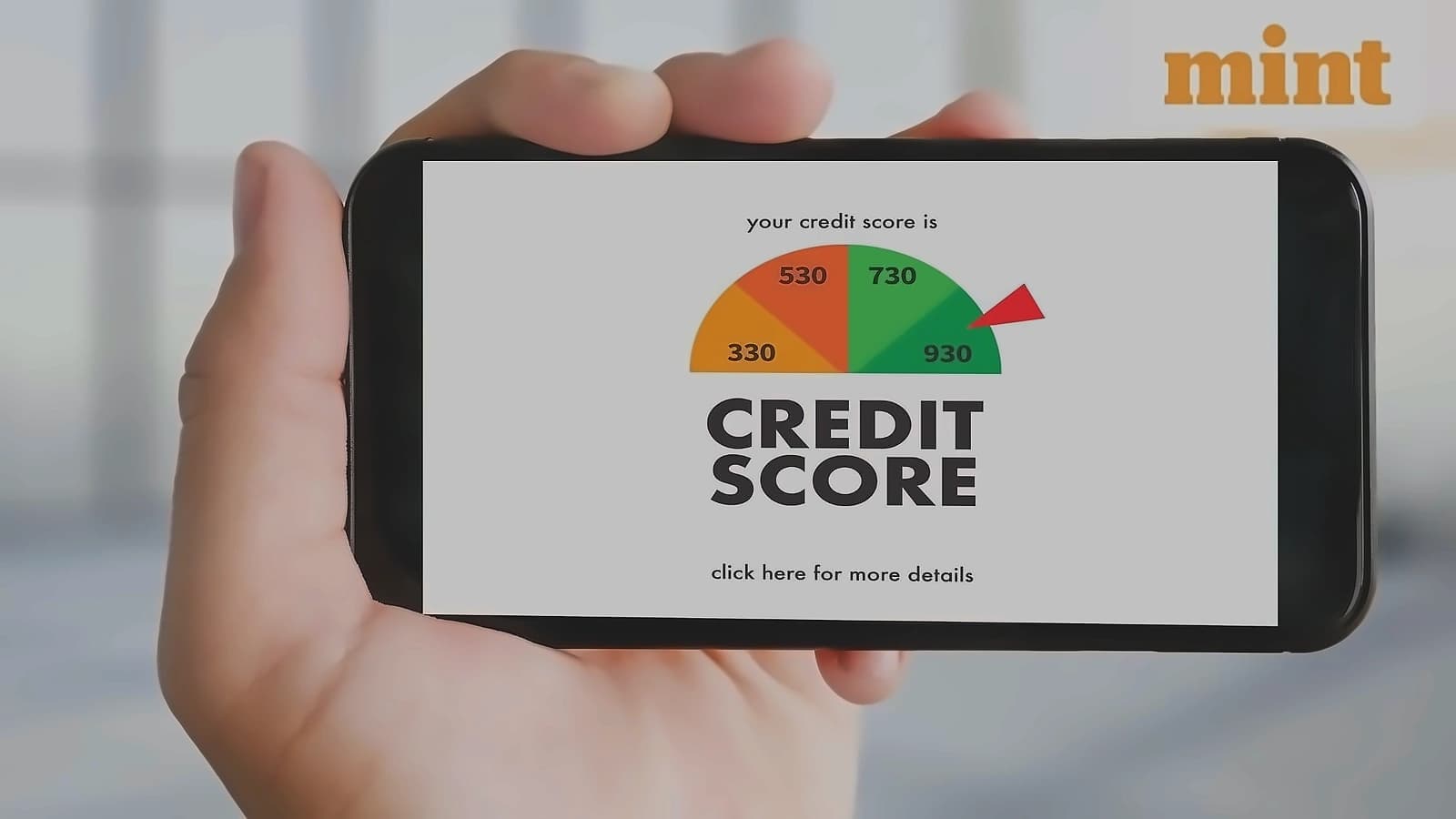
When you contact the bank to close the card, it will first check whether any money is still outstanding, according to The Times of India. This may include regular purchases, unpaid fees, interest, and active EMIs. Some banks may ask you to clear the balance before the card account is finally closed, while in other cases, the remaining EMI may be converted into an outstanding amount that has to be paid separately. The card may be cancelled for fresh spending, but your repayment responsibility does not end with it. This process is particularly important for maintaining good credit health, as account history accounts for about 15% of your CIBIL score, with credit scoring models favoring stability and long, uninterrupted repayment records.
If the bank asks you to settle the EMI before closing the card, this is usually treated as foreclosure or pre-closure, as reported by The Times of India. For example, if ₹35,000 of your purchase is still unpaid, you may be asked to pay this amount at once instead of continuing with monthly installments. There can also be a pre-closure charge, though this differs from one bank to another. This means your final payment may be slightly more than the principal amount still due. The importance of timely EMI settlement is highlighted by the fact that CIBIL doesn't track your income, bank balance, or net worth - the score looks strictly at your repayment behavior, making every missed payment potentially damaging to your credit profile.
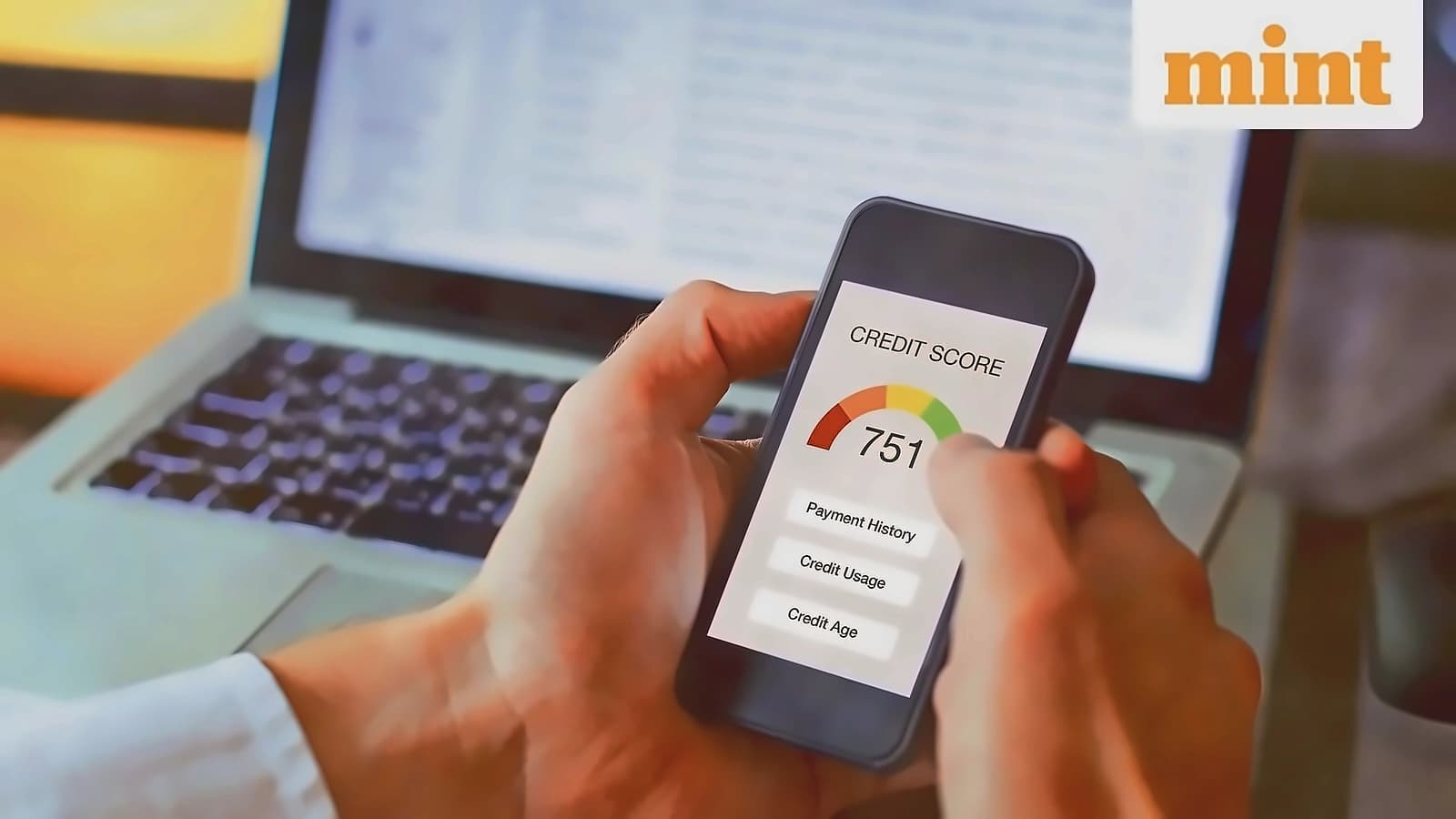
Holding multiple credit cards can either boost your rating or drag it down, depending on how you manage them, according to recent credit scoring insights. If you pay every bill on time and keep your balances low across all accounts, having extra cards can be beneficial. However, micro-managing your accounts just to hit 900 offers no extra financial benefits over holding a stable score between 780 and 850. Most banks consider 750 and above good, while 800 to 900 falls into the excellent tier across Indian credit institutions. The key is maintaining consistent, on-time payments across all accounts, as algorithms need to see active, on-time payments to measure reliability effectively.
People sometimes use the words 'block' and 'close' as if they mean the same thing, but they do not, as reported by The Times of India. If your card is lost or stolen, you may block it immediately, but the credit card account itself can remain active. A permanent closure is different - here, you are asking the issuer to shut the credit card account itself. One mistake to avoid is assuming that once a closure request has been placed, you no longer need to pay the next EMI. If the amount is still due and you skip the payment, it can become overdue, with the bank levying late-payment charges or interest, and a missed payment can also be reported to credit bureaus, which may affect your credit profile. This underscores the importance of understanding that closing an old loan can lower your score slightly by reducing your overall credit limit and altering your credit mix, making it crucial to manage closures strategically.