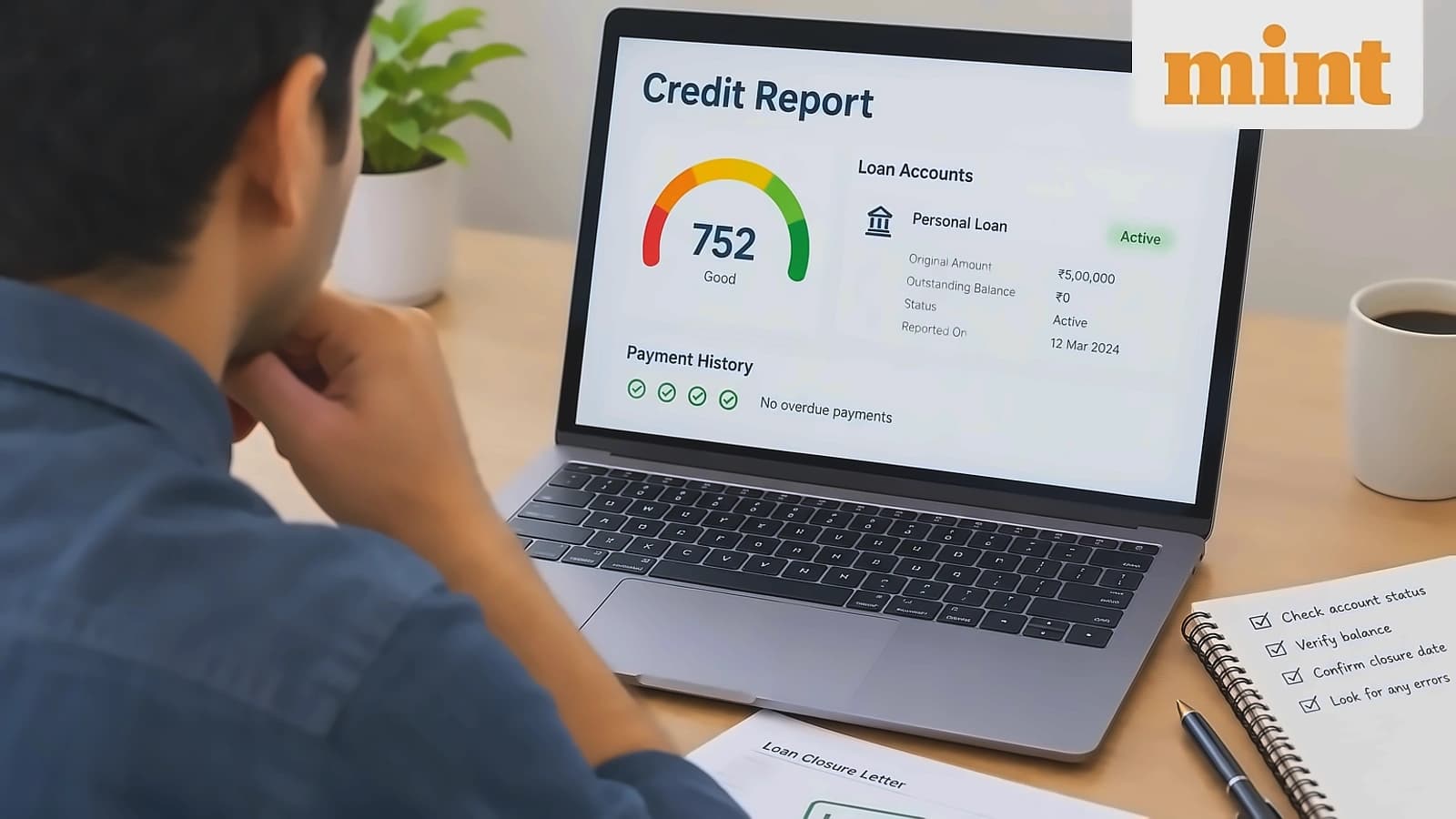
Closing an unused credit card may seem like a smart financial decision, but it can quietly knock points off your credit score — sometimes anywhere between 10 and 50 points, depending on your overall financial picture. According to reports from Zee News, this drop can matter significantly when major financial applications are pending, including home loans, car finance, or premium card applications. The impact can be substantial enough to affect loan approvals and credit accessibility. Recent analysis reveals that closing a card can push your credit utilization ratio over thresholds you didn't realize you were close to, potentially causing long-term credit damage that may not show up immediately on your report.
When you close a credit card, three parts of your credit profile feel the impact. The first is credit utilisation — the percentage of your available credit limit that you are currently using. Lenders prefer to see this number stay below 30 percent. As reported by Zee News, when a card gets cancelled, your total available limit shrinks, which pushes that percentage upward even if your actual spending has not changed at all. This change in available credit limits can significantly impact your credit utilisation ratio, with the impact becoming more pronounced over time as your overall credit capacity decreases.
The closure also affects credit history and payment record, which lenders closely monitor. According to Zee News, higher usage ratio and shorter credit history can hurt loan approvals. More critically, closed accounts typically age off your credit report within seven to 10 years, meaning that cards you've held for decades won't disappear immediately. This means that if you close a card today that you've held for a decade, you might not feel the full credit age hit until the mid-2030s. By then, you've probably forgotten about that card entirely, but your credit score hasn't.
The credit card debt crisis has reached unprecedented levels, with credit card debt reaching an all-time high of $1.28 trillion at the end of 2025. As reported by Boston 25 News, the average debt cardholders hold is just under $8,000, highlighting the widespread nature of credit card usage for everyday living expenses. Many cardholders find themselves in a vicious cycle where they cannot pay the entire balance each month to avoid interest, leaving them with no choice but to carry debt. This debt burden makes credit card closure decisions particularly challenging, as they can further impact creditworthiness during a period of high debt levels.
Before cancelling any credit card, experts recommend checking for no-fee options and ensuring all dues are cleared. As reported by Zee News, you should avoid closure if you plan to apply for a major loan soon. The timing of card closure can significantly impact your creditworthiness and affect your ability to secure future credit facilities. Recent guidance suggests that if a card's got a steep annual fee you can't justify, if it's creating overspending temptation, those are real reasons to close it. However, experts recommend considering product changes instead of full closure if the issuer allows it, as this can help prevent long-term credit consequences. When preparing for bankruptcy, stop using credit cards at least 90 days before filing to avoid legal complications. According to bankruptcy experts, all credit card debts must be included in Chapter 7 filings, and attempting to exclude any cards can constitute bankruptcy fraud with severe consequences.