Closing an unused credit card can significantly impact your credit utilization ratio, which is the percentage of total available credit you're currently using. According to Mint reports, when you close a credit card, it reduces your total available credit limit, and if outstanding balances remain unchanged, this can drive your utilization ratio higher. For example, with a combined credit limit of ₹5 lakh and outstanding balance of ₹1 lakh, your current utilization is 20%. Closing one card would reduce the total limit to ₹3 lakh, increasing the utilization to 33.3%. Raj P Narayanam, Executive Chairman of Zaggle, explains that closing unused cards can quietly damage your credit profile by reducing available credit and pushing utilization ratios higher, particularly if it's your oldest card.
Lower credit utilization is generally viewed more favorably by lending institutions and credit-scoring models, though there's no universal threshold. As per Mint reports, 30% credit utilization is commonly used as a rule of thumb rather than an inflexible hard cut-off. Adhil Shetty, CEO of BankBazaar, emphasizes that retaining unused cards is often more prudent than closing them, as cancelling reduces total available limit and can immediately increase utilization above the recommended 30% threshold. This higher ratio lowers your credit score, making future borrowing more expensive.
Closing an unused credit card may be worth considering if the card carries a high annual fee, offers nearly negligible or poor benefits, or poses a risk of overspending. According to Mint reports, keeping a credit card open makes more sense when it has no annual fee and can be managed responsibly. Raj P Narayanam suggests keeping the card alive with one small transaction every few months and paying it in full, or negotiating a waiver or downgrade to a lifetime free variant. Adhil Shetty adds that unless the card has high annual fees, keeping it active with minor, responsible use helps maintain strong credit history and supports long-term borrowing capacity.
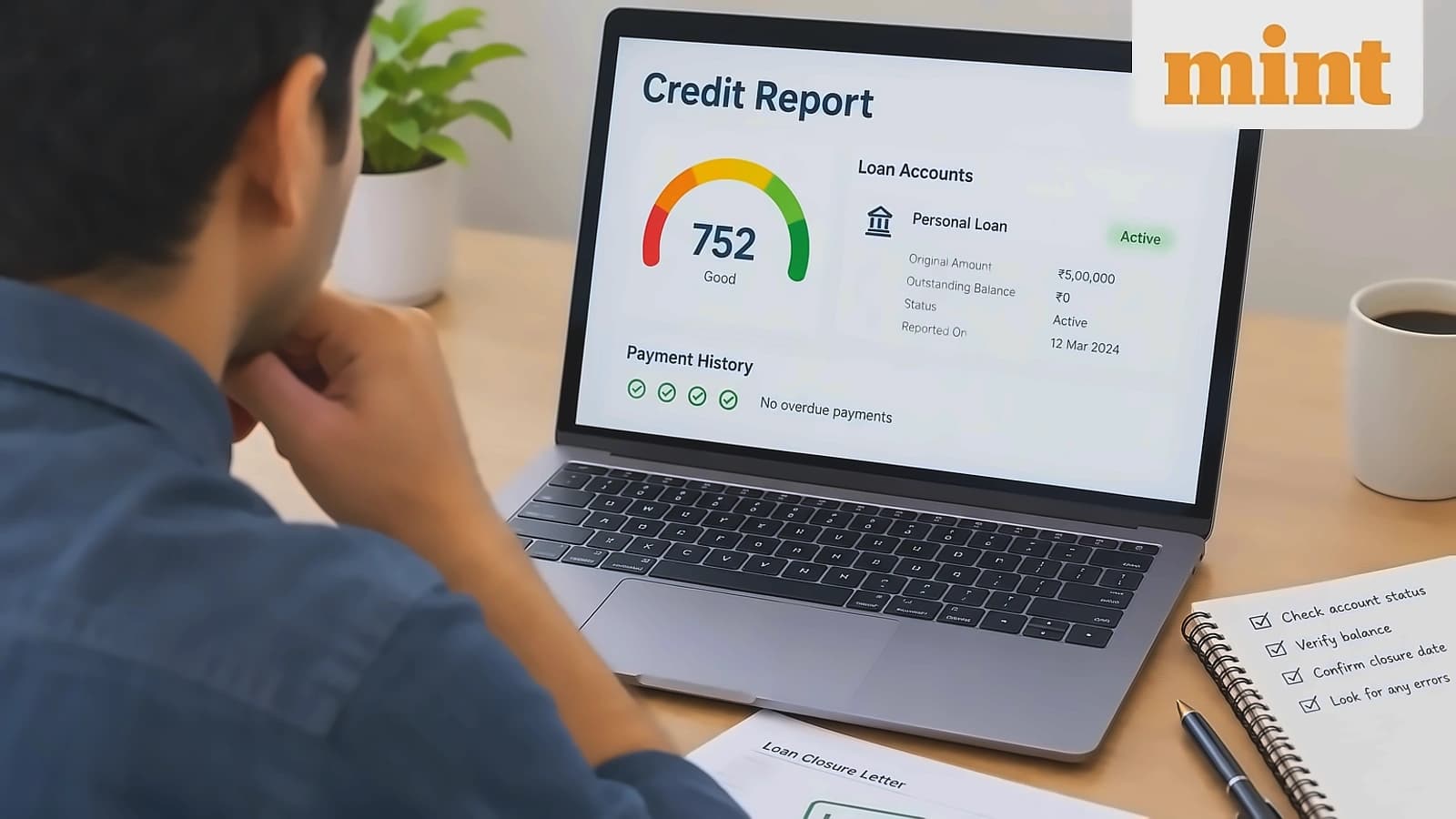
While clearing a pending loan is generally considered the end of a borrower's repayment obligation, there are several important aspects that require attention before a loan can be considered fully closed. According to reports from Mint, a loan may continue to appear as 'active' on a credit report for some time after the final payment has been made. Borrowers should therefore follow up with the lender and check their credit report to ensure the loan has been properly closed and accurately reported. This process mirrors the approach needed for credit card closure, where borrowers must verify proper account closure and dispute incorrect reporting with credit bureaus.
If lending institutions do not rectify incorrect information, borrowers can dispute the report with the credit bureau that initially issued it. Under the RBI's framework, borrowers may be entitled to ₹100 per calendar day compensation if complaints regarding rectification of credit information are not resolved within 30 calendar days from filing. The overall resolution timeline depends on the lending institution's response and applicable credit reporting rules. This compensation structure applies equally to both loan and credit card disputes, providing borrowers with recourse when credit information is incorrectly reported.
Maintaining an accurate credit profile is crucial for future borrowing opportunities, including applications for personal loans, home loans and credit cards. According to Mint reports, checking account status and reviewing credit score changes after loan closure can help borrowers promptly identify and rectify reporting errors. Retaining all essential loan closure documents and related records ensures credit profiles remain up to date and free of inaccurate defaults, errors, or omissions. Similarly, keeping unused credit cards active through occasional small transactions followed by full repayment helps maintain strong credit history and supports long-term borrowing capacity.