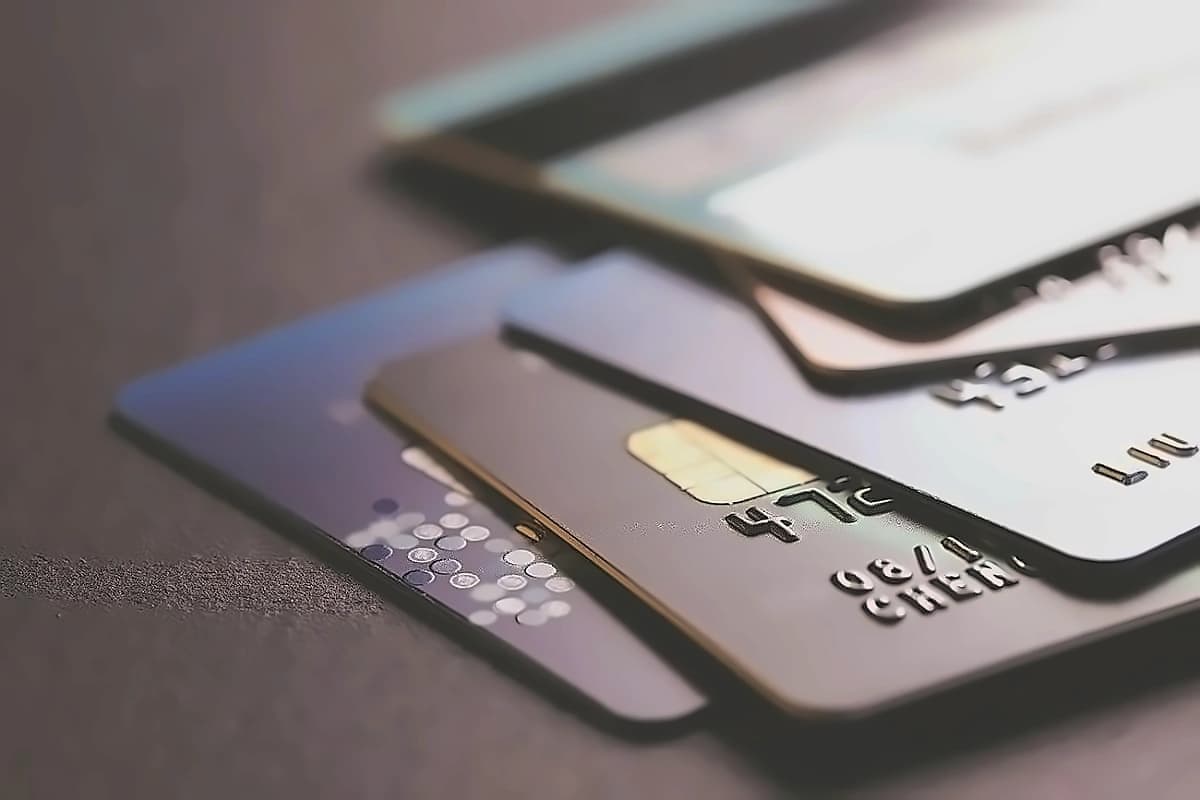
According to reports from Business Standard and Mint, credit card cashback is generally treated as a discount rather than taxable income for ordinary personal spending. The Income Tax Act does not contain a specific provision mandating that ordinary credit-card cashback must be taxed as income. As explained by Archit Gupta, CEO and founder of ClearTax, cashback is essentially a discount, whether it's given at purchase or credited later. For example, if you buy a television for ₹50,000 using your credit card and receive ₹2,000 cashback, you effectively paid ₹48,000 after the cashback. This ₹2,000 benefit is generally viewed as a discount on the purchase rather than ₹2,000 of additional taxable income for normal individuals buying for personal use. However, for business users, the cashback isn't separate income but a reduction of the expense, so you claim the net expense after adjusting for it. If you're under presumptive taxation where itemised expenses aren't claimed anyway, it makes no difference. There is no maximum limit beyond which tax authorities mandate credit card rewards or loyalty benefits be declared as taxable income, according to Siddharth Maurya, Founder & Managing Director of Vibhavangal Anukulakara Private Limited. However, in cases where the benefit is not linked to underlying spend, is monetised by the individual or arises in a business or employment context, it may be taxable based on its character. Both experts advised taxpayers that discount-linked consumption benefits do not require disclosure in the income tax return (ITR), but may only be needed if the rewards are substantial, monetised or linked to business spending.
The tax treatment becomes more complex when credit cards are used for business purposes. As reported by Business Standard, business cashback may affect the amount of expenditure or asset cost recognized for tax purposes. For instance, if a freelancer buys a ₹1 lakh computer exclusively for business and receives ₹5,000 cashback, the economic cost of the computer is effectively ₹95,000. The cashback can affect the cost of the business purchase rather than becoming a separate ₹5,000 income item. This distinction matters because business expenditure must be incurred wholly and exclusively for business purposes to qualify for deduction, while capital expenditure is treated differently from revenue expenditure. The Income Tax Department's guidance on business income also distinguishes between business expenses and capital assets, with cashback potentially reducing the acquisition cost relevant for tax purposes, which can affect depreciation. For an individual who earns such rewards occasionally and is not running a referral activity as a business or profession, the income would generally be taxable under "Income from Other Sources", as explained by tax experts.
According to Business Standard and Mint, referral bonuses from fintech apps are generally taxable as income from other sources for individuals not carrying on referral activities as business or profession. These are actual cash payouts, not discounts, so they're taxable under Section 56 of the Income-tax Act. For an individual who is not carrying on a referral activity as a business or profession, the amount would generally fall under "Income from Other Sources". As explained by Gupta, if a fintech app pays you ₹500 for successfully referring a friend, you have received ₹500 as an incentive for performing an activity. Such receipts would generally be taxable, depending on the circumstances. Online competition winnings are taxed at a flat 30% rate under Section 115BBJ, with no basic exemption and no deductions allowed. The Income Tax Department defines online games as games offered on the internet and accessible through computer resources, with net winnings from online games taxed at 30% under Section 115BBJ. The department states that the basic exemption limit does not apply to such online-game winnings and that deductions under Chapter VI-A cannot be claimed against this income.
As reported by Business Standard and Mint, selling personal belongings like old phones, furniture, or cars on platforms like OLX generally does not result in taxable capital gains because such personal-use movable property is excluded from the definition of a capital asset. The Income Tax Department's definition specifically excludes personal effects, meaning movable property held for personal use. For example, if you sell a phone for ₹15,000 that you bought for ₹60,000 three years ago, you do not generally have to pay capital gains tax. However, if you buy products to resell regularly with profit motive, the income can be treated as business income. The key distinction lies in whether you're buying to resell or selling in an organised, repeated way with a profit motive, as this determines whether it qualifies as business income or remains tax-free personal effects sale. Proceeds from the sale of some other personal belongings, such as furniture, car, scooter or even a dress, are exempt from tax because of a specific provision in the income tax laws that provides an exemption for gains made on the sale of 'personal effects' by an individual. Personal items that can be sold without attracting any tax liability include clothing and apparel, furniture, crockery or utensils, and daily use electronics such as mobile phones or laptops. However, this definition of 'personal effects' do not include jewellery, archaeological collections, drawings, paintings, sculptures or any work of art, and income tax would be payable if the taxpayer makes any profit or gain from the sale of any of these six kinds of articles.
According to Business Standard, when monetized hobbies or freelance work becomes regular and earns income, it is treated as business income. The tax treatment depends on when the activity crosses the basic exemption limit and becomes taxable at slab rates according to the taxpayer's regime choice and available deductions. As explained by Gupta, when you start earning from it regularly, a monetised hobby or freelance work is treated as business income. Whether you actually pay tax then depends on your total income: once it crosses the basic exemption limit, it's taxed at slab rates, according to your regime choice and the deductions available to you. The key distinction lies in whether the activity is carried out regularly with profit motive, as this determines whether it qualifies as business income or remains a hobby with different tax implications.