Health insurance has evolved beyond traditional financial protection to encompass comprehensive wellness support. According to recent industry analysis, the right health plan should support your long-term health and well-being rather than just pay medical bills when needed. Today's health plans can provide preventive care, wellness resources, chronic condition support, digital health tools, and other services designed to help members stay healthier over time. This shift represents a fundamental change from reactive healthcare to proactive wellness management.
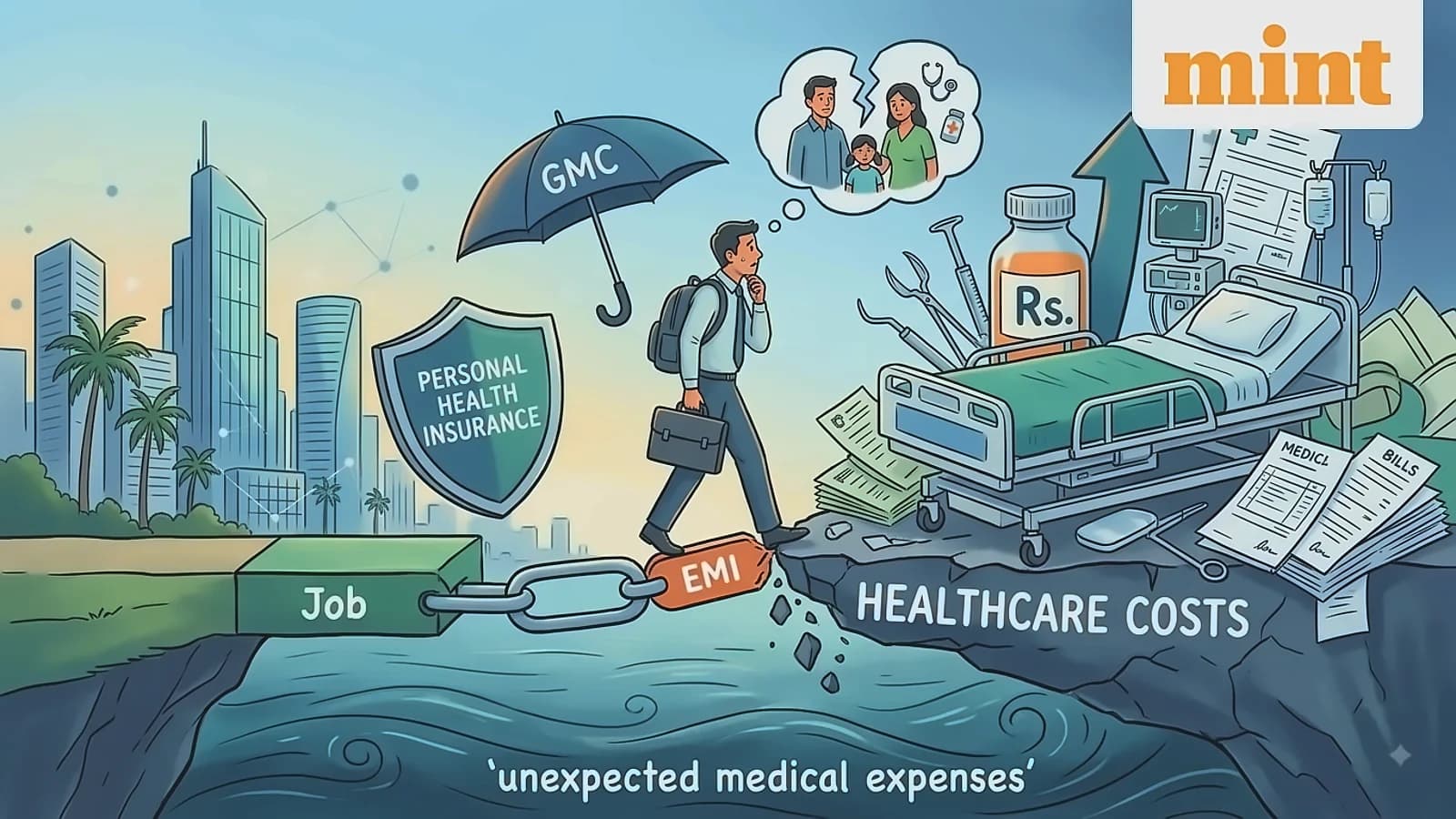
Corporate health insurance may appear convenient with free coverage that activates on day one of employment, but it comes with significant limitations. According to reports from Business Standard, employer-provided health insurance is fundamentally rental coverage tied to employment contracts rather than property ownership. As per Zee News, companies usually provide health cover free of cost, and many group policies waive waiting periods and cover pre-existing conditions from day one. However, this coverage is designed as a bonus for employment and does not provide lifelong coverage. Families become instantly uninsured during job loss, career breaks, or when employees develop severe illnesses that force them to stop working.
Corporate policies frequently fall short in three critical areas that leave families financially vulnerable. As reported by Business Standard, most corporate policies cap coverage between ₹3 lakh and ₹5 lakh, which is insufficient for modern medical costs. Additionally, companies increasingly insert mandatory co-payment clauses of 20%, forcing policyholders to pay substantial out-of-pocket expenses. According to Zee News, rising medical expenses demand substantial coverage for emergency needs, which may arise out of the blue. A single week in ICU for severe respiratory infection or cardiac events can easily exceed ₹10 lakh, leaving families to pay the balance from their savings. Zee News reports that ICU stay in a metro city may cost ₹25,000 to ₹50,000 a day, and cardiac surgeries may go as high as ₹10 lakh.

The recommended approach involves separating base needs from catastrophic risks through a structured insurance strategy. According to Business Standard, families should purchase a ₹10 lakh family floater policy covering all members, with separate dedicated policies for aging parents to prevent high claims from consuming core family coverage. The strategy includes pairing a standard ₹10 lakh base policy with a ₹50 lakh or ₹1 crore super top-up policy to provide comprehensive protection without requiring massive upfront investment. Zee News emphasizes that buying personal health insurance is important at a young age since it may have waiting periods of up to 3 years for pre-existing conditions before it kicks in.
The recommended minimum coverage for urban families in 2026 includes a ₹10 lakh baseline independent policy paired with a super top-up of at least ₹50 lakh to ₹1 crore. According to Business Standard, the strategy involves declaring all medical details truthfully on application forms to avoid claim disputes due to non-disclosure, which remains the primary cause of insurance disputes during major medical events. As per Zee News, employees who wait until they lose their corporate cover to buy a personal policy may find that they have lost years of waiting periods they could have served and may also face higher premiums. This approach ensures families maintain comprehensive coverage regardless of employment status changes.