The Madras High Court has ruled that a daughter's inheritance rights remain unaffected by her mother's remarriage, establishing a crucial legal precedent for property disputes. In the case of Lalithamani v. Venkatesan's Family, delivered by Justice P.B. Balaji on August 25, 2026, the court held that while a widow's remarriage may affect her own inheritance rights under the old Hindu Succession Act, it does not wipe out her daughter's independent right to inherit from her deceased father. The judgment makes a clear distinction between the rights of a widow and those of the deceased man's other Class I legal heirs, providing significant clarity for families dealing with ancestral or joint family property disputes. The court specifically clarified that a disqualification applicable to a remarried widow cannot automatically be extended to the deceased man's other Class I legal heirs, allowing the daughter to inherit the estate legally.
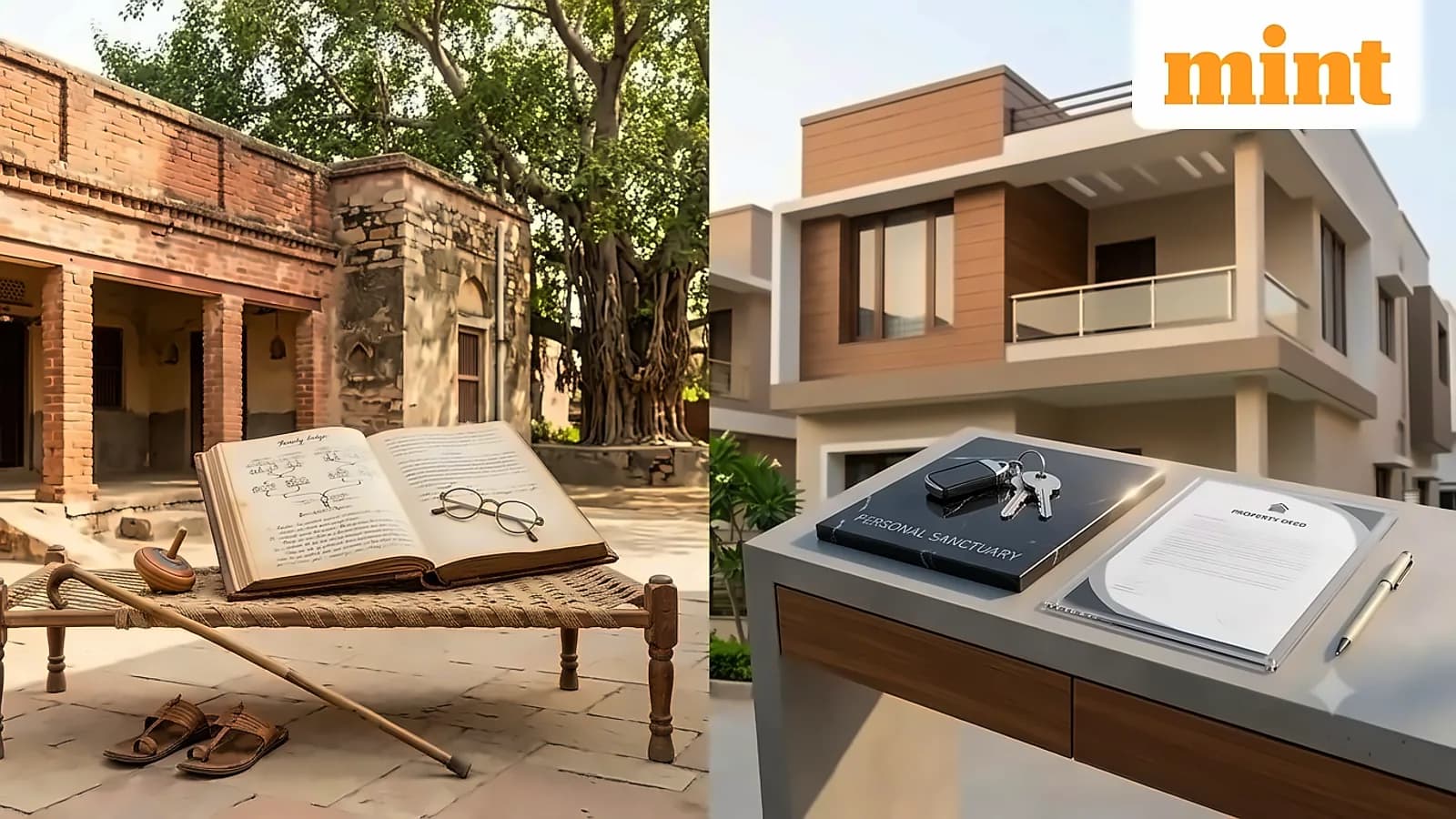
Under Hindu law, children's rights to their parents' property depend significantly on whether the property is ancestral or self-acquired. According to Mint, ancestral property traditionally refers to property inherited by a male Hindu from his father, grandfather or great-grandfather, where descendants can acquire an interest by birth. In contrast, self-acquired property is generally property purchased using personal income or funds, where the owner has substantially greater freedom to deal with it. As reported by Mint, a common misconception is that children automatically have legal shares in every property owned by their parents, but this is not the case under Hindu law. Under Section 14 of the Hindu Succession Act, property inherited by a woman becomes her absolute possession and remains hers indefinitely, ensuring that inherited property remains in complete legal control.
For self-acquired property, children cannot ordinarily demand a share during their father's lifetime merely because they are legal heirs. According to Mint, if a father purchases property using job or business income in his own name, his son does not acquire a birthright in that house. The father generally has the freedom to sell, gift or transfer such property without obtaining children's consent. This distinction is crucial because ancestral property involves rights of sons, grandsons and great-grandsons arising by birth, while self-acquired property has fewer restrictions. Shares inherited from a late husband's self-acquired estate remain completely intact, ensuring that a mother's financial foundation stays protected across all future decisions.
The situation changes after the owner's death. According to Mint, if a male Hindu dies without a will, succession is governed by the Hindu Succession Act, 1956, where Class I heirs include children, widow and mother. These heirs generally inherit the estate in equal shares, subject to specific legal circumstances. For example, if a father owns a house purchased entirely with his own money, his children cannot demand division during his lifetime, but they can inherit it after his death according to the law. As reported by Mint, a child's rights during the parent's lifetime and as an heir after death are two different legal questions. A mother remains the natural guardian of minor children, and remarrying never revokes your custody rights, ensuring that children's stability is never compromised by personal happiness.
Legal experts emphasize that this ruling reinforces fundamental principles of inheritance law. Jahnavi Kohli from ANB Legal explained that the court distinguished Section 24 from situations covered by Section 25, where complete disqualification from succession occurs. Aadisha Shetty noted that the judgment establishes that a widow's remarriage does not cause the deceased son's share to revert to other coparceners, allowing the daughter to inherit the estate legally. Syed Moosa highlighted that a disqualification affecting one heir cannot automatically disqualify another heir, as demonstrated in this case where the daughter was entitled to inherit the entire coparcenary interest. Shashank Agarwal noted that the ruling reinforces that a child's inheritance rights cannot ordinarily be defeated merely because the surviving parent changes their marital status, with rights of the widow and deceased's children needing separate consideration. The key takeaway is that where a statutory disqualification attaches to one heir, it cannot automatically be extended to another independent legal heir.