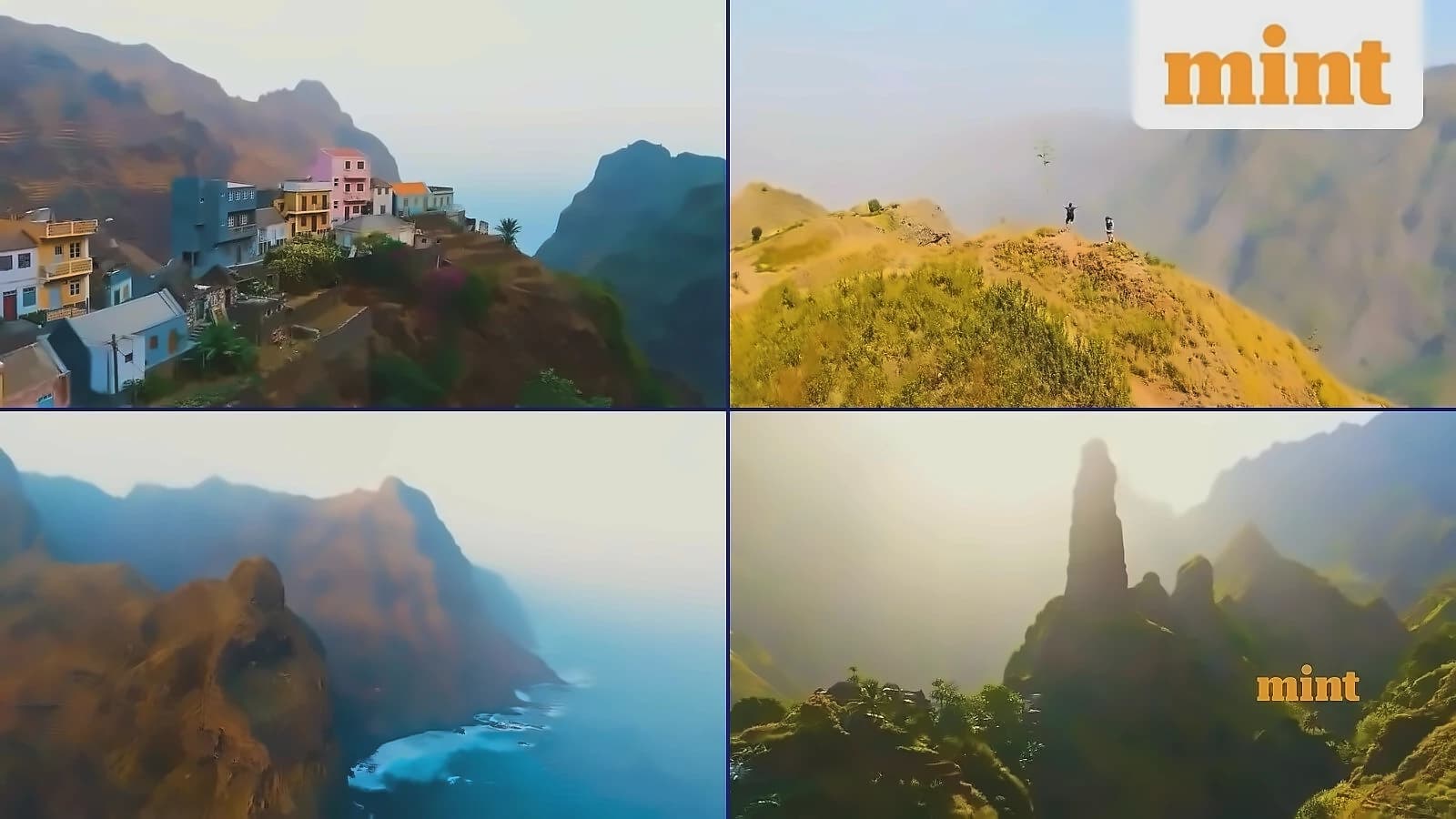
Cape Verde has achieved unprecedented global recognition following its goalless draw against Spain at FIFA World Cup 2026, marking the island nation's tournament debut. The African team, which is the third-smallest country by population to qualify for a World Cup and was 67th in Fifa's latest rankings, has stunned fans worldwide. According to BBC reports, the draw against Spain, who have played in the tournament 16 times and won the Fifa World Cup in 2010, has generated jubilant reactions from fans in Atlanta, Georgia. This historic achievement has significantly boosted Cape Verde's profile as a travel destination, with the country's unique volcanic landscape and scenic beaches now attracting international attention beyond the sporting world.
Cape Verde proves to be an expensive destination from India, with flight costs alone ranging from ₹90,000 to ₹1.5 lakh. As reported by Mint, a solo seven-day trip costs approximately ₹1.8-2.8 lakh, while a ten-day trip may cost ₹2.5-3.8 lakh. A 14-day island-hopping trip can exceed ₹4 lakh, and families of three should budget ₹6-8 lakh for 10 days. The Cape Verdean escudo roughly equals one Indian rupee, making mental conversion straightforward for Indian travelers. According to ChatGPT analysis, island hopping raises overall costs quickly, making it essential for travelers to plan their itinerary carefully. The recent World Cup exposure may influence future travel costs as global interest in the destination increases.
Indians receive a 30-day tourist visa on arrival to Cape Verde, though EASE online pre-registration and an airport security fee are required beforehand. According to Mint reports, flights from India require long connections through Europe, the Middle East or Africa, making Cape Verde better suited to 10-14 day trips rather than quick five-day escapes. The logistical complexity of reaching the destination adds to overall travel costs and time commitment, as noted by ChatGPT which emphasizes that a quick five-day escape is rarely worthwhile due to the extended travel time and connections required. However, the recent World Cup exposure may lead to improved connectivity options and more direct flight routes in the future.
The islands offer distinct experiences for different traveler profiles. Sal and Boa Vista provide beach resorts and windsurfing opportunities, while Santiago offers more culturally authentic local experiences. Sao Vicente suits travelers interested in music and urban island life, and Santo Antao is stunning for hikers though harder to access. As reported by ChatGPT, Sal dominates tourism while other islands offer more genuine independent travel opportunities. The destination suits couples, beach lovers, hikers and adventurous travelers, but may disappoint those seeking luxury resorts or constant sightseeing activities. The recent World Cup exposure may attract more visitors to these diverse island experiences.
For remote workers, Cape Verde presents interesting but complicated opportunities. Monthly costs range from ₹1.2-2 lakh for long-stay travelers, with visa limits, connectivity, time zones, and healthcare requiring careful consideration. According to ChatGPT analysis, this destination is not straightforward nomad territory like Thailand, making it better suited for travelers seeking genuine island experiences rather than luxury resort holidays. The country offers beaches, music, landscapes and something genuinely different, but may not appeal to those requiring constant stimulation or luxury amenities. The recent World Cup exposure may create additional opportunities for remote workers seeking unique locations for extended stays.