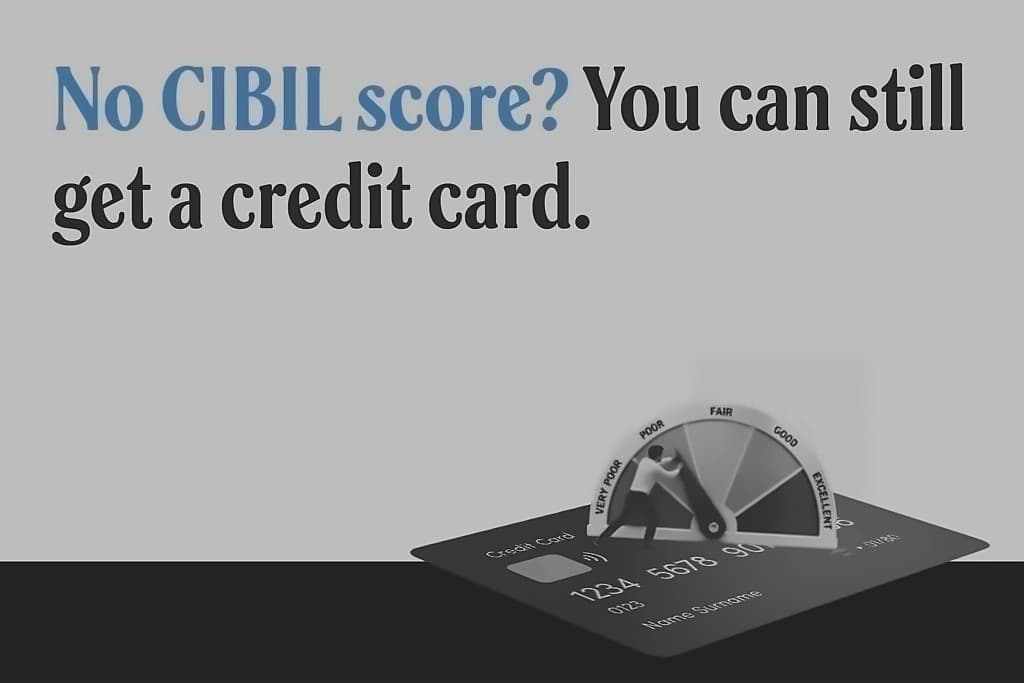
A credit score serves as your financial passport, reflecting consistency in borrowing and repayment behavior. According to reports from Business Standard, without an established credit history, banks have no data to judge reliability, creating a frustrating paradox where you need a loan to build credit but need credit to get a loan. The primary objective is building a CIBIL score of 750 or higher, which unlocks lower interest rates for major future purchases like homes or vehicles. Recent developments show that credit scores don't update in real time - they change approximately every six months, with new activity taking time to reflect in your score. This means consistent on-time payments over time are essential for building a strong credit profile. As reported by Credit Academy, credit utilization is 30% of your FICO score and is the easiest factor to improve fast, making it crucial to maintain low utilization ratios across all cards.
The foundation of credit building begins with a secured credit card backed by a fixed deposit. As reported by Business Standard, if you open an FD for ₹50,000, the bank will issue a credit card with a ₹40,000 limit since the bank holds your FD as collateral. The key decision rule involves maintaining credit utilization below 30%, meaning never letting monthly bills exceed ₹12,000 on a ₹40,000 limit card. This approach treats the card like a debit card, ensuring you always have cash available to pay off immediately. Recent guidance emphasizes that credit utilization is 30% of your FICO score and is the easiest factor to improve fast, making it crucial to maintain low utilization ratios across all cards. According to Credit Academy, credit mix is 10% of your FICO score, making it important to diversify account types beyond secured cards to include installment loans and revolving credit.
After six months of secured card usage, the strategy adds an instalment loan for consumer durables using zero-cost EMI options at retail stores. According to Business Standard, this proves ability to handle fixed monthly repayments alongside revolving credit limits. The approach emphasizes avoiding multiple applications, which trigger hard inquiries that penalize non-existent profiles, and maintaining the oldest account open to preserve average credit age. Credit bureaus reward age and consistency, meaning longer account openings strengthen profiles over time. Recent research shows that credit mix is 10% of your FICO score, making it important to diversify account types beyond secured cards to include installment loans and revolving credit. As reported by Credit Academy, credit age makes up 15% of your FICO score, meaning that closing old cards can hurt your score despite having newer, better accounts.
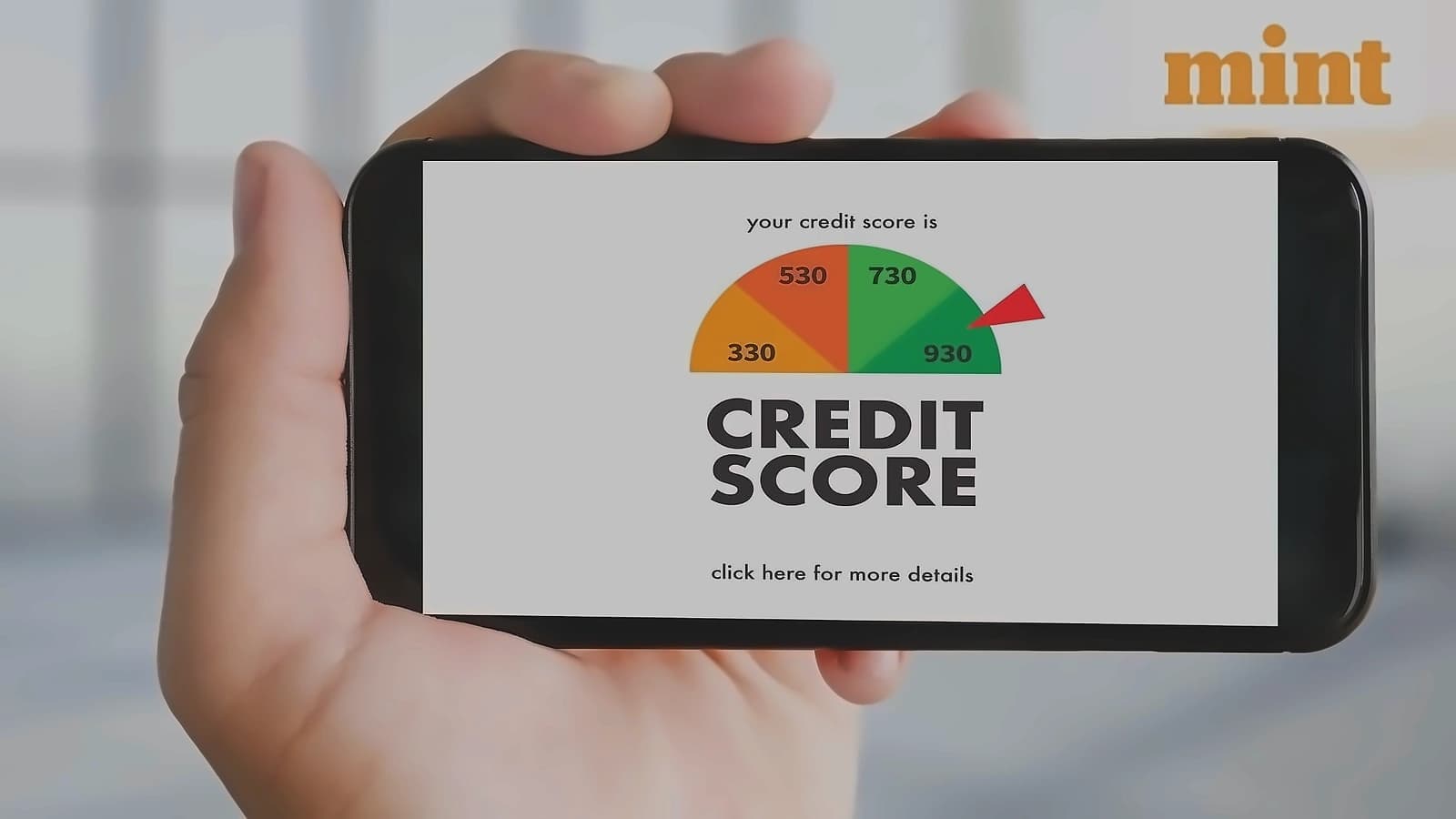
Credit building requires consistent monitoring with CIBIL reports reviewed every six months rather than daily tracking. As reported by Business Standard, credit histories move like glaciers, not stock tickers, and it takes approximately six months of on-time payments for the first score to generate. The process involves automating monthly repayments while manually reviewing statements for fraudulent transactions and hidden fees that could silently inflate utilization. After 12 months of flawless history, applicants can graduate to basic unsecured credit cards. Recent developments show that credit repair is 100% legal but requires understanding federal laws and your rights under the FCRA, making it essential to monitor your credit reports regularly for errors and disputing them promptly. According to Credit Academy, credit repair is legal but requires specific knowledge of your rights under federal law, making it crucial to understand the process before attempting any disputes.