In personal finance management, effective budgeting extends beyond financial restrictions to provide direction and structure. According to reports from Mint, three prominent budgeting systems consistently stand out in India's diverse income landscape: 50-30-20 budgeting, envelope budgeting, and zero-based budgeting. Each system offers different levels of control, structure, and meaning, with the right choice depending on individual financial habits, economic objectives, and long-term planning discipline.

The 50-30-20 rule divides income into three broad categories: 50% for needs including day-to-day requirements and life expenses, 30% for lifestyle wants such as luxury aspirations, and 20% for savings and investments in growth assets like stocks, bonds, and mutual funds. As reported by Mint, this rigid system can be adjusted for high-expense city living or during debt repayment periods to better align with individual cash flow requirements. The method provides basic guardrails but may require regular amendments to suit real-life financial situations.
Envelope budgeting focuses on assigning fixed limits to specific spending categories including transportation, groceries, dining, and entertainment. According to Mint, once a category reaches its limit, spending automatically stops. This approach is traditionally cash-based but can be implemented through UPI wallets and budgeting applications. The system is designed to control impulse spending and increase awareness of actual spending patterns, offering moderate spending control with high flexibility.
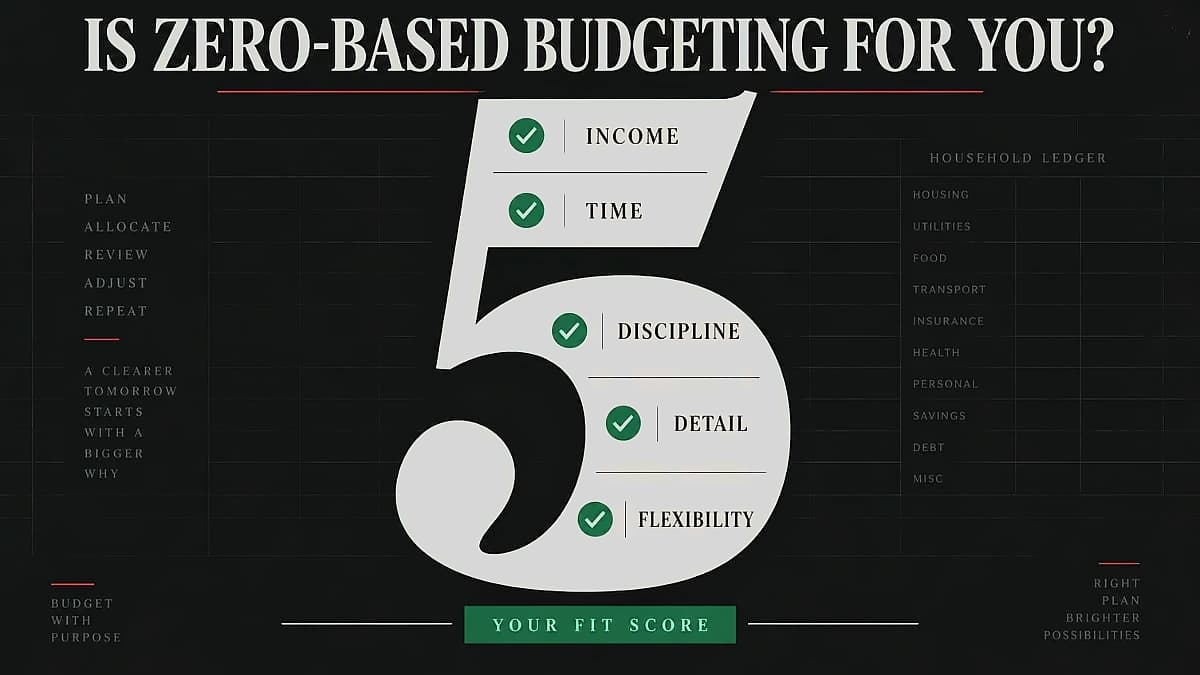
Zero-based budgeting operates on the principle that income minus expenses equals zero, ensuring every rupee is accounted for and allocated to specific purposes including saving, spending, debt repayment, or investing. As reported by Mint, this method provides the highest level of clarity, control, and objectivity but requires dedicated tracking and disciplined updates. The system is particularly beneficial for individuals managing high debt obligations or aggressive savings strategies, though it demands very high tracking requirements.
According to Mint, combining these three systems can provide comprehensive personal finance management. The recommended approach involves using 50-30-20 as the base framework for overall balance, envelope budgeting for discretionary spending control, and zero-based budgeting during financially challenging times or debt repayment planning. This hybrid model aims to ensure structure, clarity, and flexibility without overwhelming complexity, allowing individuals to choose the system that aligns with their behavior and monthly routine.