The integration of credit cards with Unified Payments Interface (UPI) channels is transforming how consumers approach everyday financial transactions. According to the report, this development allows users to earn rewards on routine purchases while keeping their main bank account balance intact. The system enables better capital management by ensuring funds remain in savings accounts until monthly bills arrive, while reward accumulation on small expenses like morning tea, grocery runs, and auto rides becomes possible through direct QR code scanning from smartphones. However, only RuPay credit cards are currently compatible with UPI payments, as confirmed by NPCI and SBI Card's FAQs. This means Visa, Mastercard and Amex cards cannot be used for UPI transactions, limiting the available options for consumers seeking to earn rewards through this payment method.
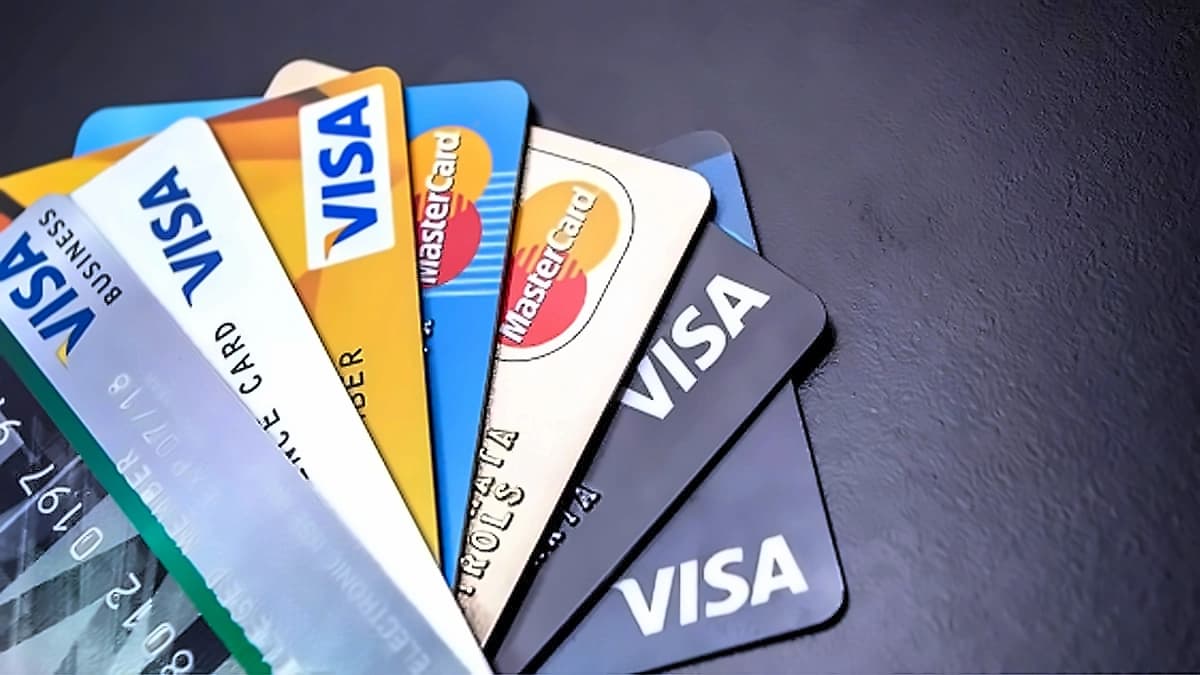
The market offers three distinct categories of credit cards designed for different spending patterns. Basic rewards cards provide flat 1% returns on merchant QR scans and are ideal for daily small-ticket local purchases. Category-specific cards offer up to 3% back on grocery and utilities, making them suitable for monthly recurring bills and household shopping. Ecosystem co-branded cards deliver elevated points inside partner applications and work best for high-volume shopping within specific retail groups. When using credit cards for UPI payments, consumers must ensure their issuer does not limit certain categories and check their available limit and bill due date since this represents credit that must be repaid.
As reported, choosing the right credit card requires evaluating joining and annual fee structures against expected return percentages. Transaction categories typically exclude personal transfers to individuals, while monthary return caps limit earnings per billing cycle. Value redemption through direct cash reductions on statements usually offers better value than catalogue gifts, and digital app support helps manage linked cards and track daily activity. When using credit cards for UPI payments, consumers should remember they cannot send money to individuals or withdraw cash through this method, and the merchant must accept RuPay credit card payments on UPI.
According to the report, matching a credit card to monthly QR spending habits ensures maximum returns without unnecessary annual fees. Consumers should assess monthly QR spending on groceries, dining, and utility bills, check exclusions in fine print regarding fuel, rent, or government payments, and review fee waivers to ensure normal yearly spending clears annual threshold requirements. The analysis emphasizes choosing cards that convert points to direct statement credits over complex catalogues for optimal value. When using credit cards for UPI payments, consumers must verify the merchant accepts RuPay credit card payments and ensure they have sufficient available limit to complete the transaction.