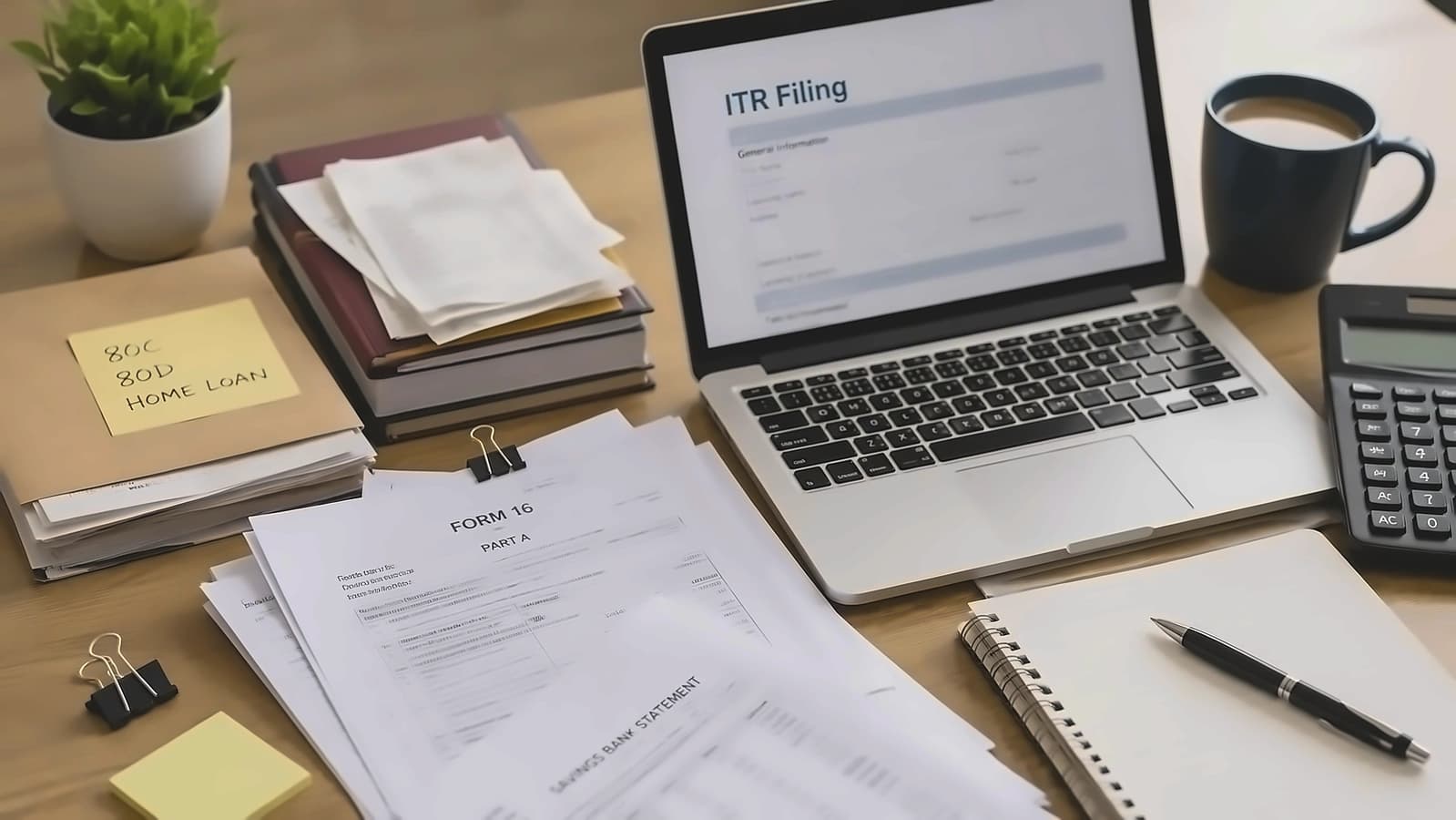
The ITR filing deadline varies significantly based on business type and audit requirements. For businesses subject to tax audit under Section 44AB (typically with turnover above ₹1 crore for businesses or ₹50 lakh for professionals), the due date is 31st October of the Assessment Year. Businesses not subject to audit have a 31st July deadline, while companies and LLPs with international transactions face a 30th November deadline. Late filing attracts a penalty under Section 234F of up to ₹5,000 (reduced to ₹1,000 for taxpayers with income below ₹5 lakh) plus interest under Section 234A at 1% per month on unpaid tax amounts. Most critically, businesses that miss the ITR filing deadline cannot carry forward business losses to offset against future profits, representing a significant and often irreversible financial cost.
Under Section 139(1) of the Income-tax Act, capital losses can only be carried forward if the original return is filed by the due date. As reported by Mint, this restriction applies to both short-term capital losses (STCL) and long-term capital losses (LTCL). For example, if a taxpayer incurs ₹2 lakh STCL in AY 2026-27 with ₹1 lakh eligible STCG, the loss can be used against gains even with a belated return. However, if the original return was not filed by the Section 139(1) deadline, the capital loss cannot be carried forward, regardless of subsequent filing. This restriction is particularly critical for businesses, as under Section 80, businesses cannot carry forward business losses (other than unabsorbed depreciation) to future years if the ITR is not filed on or before the due date.
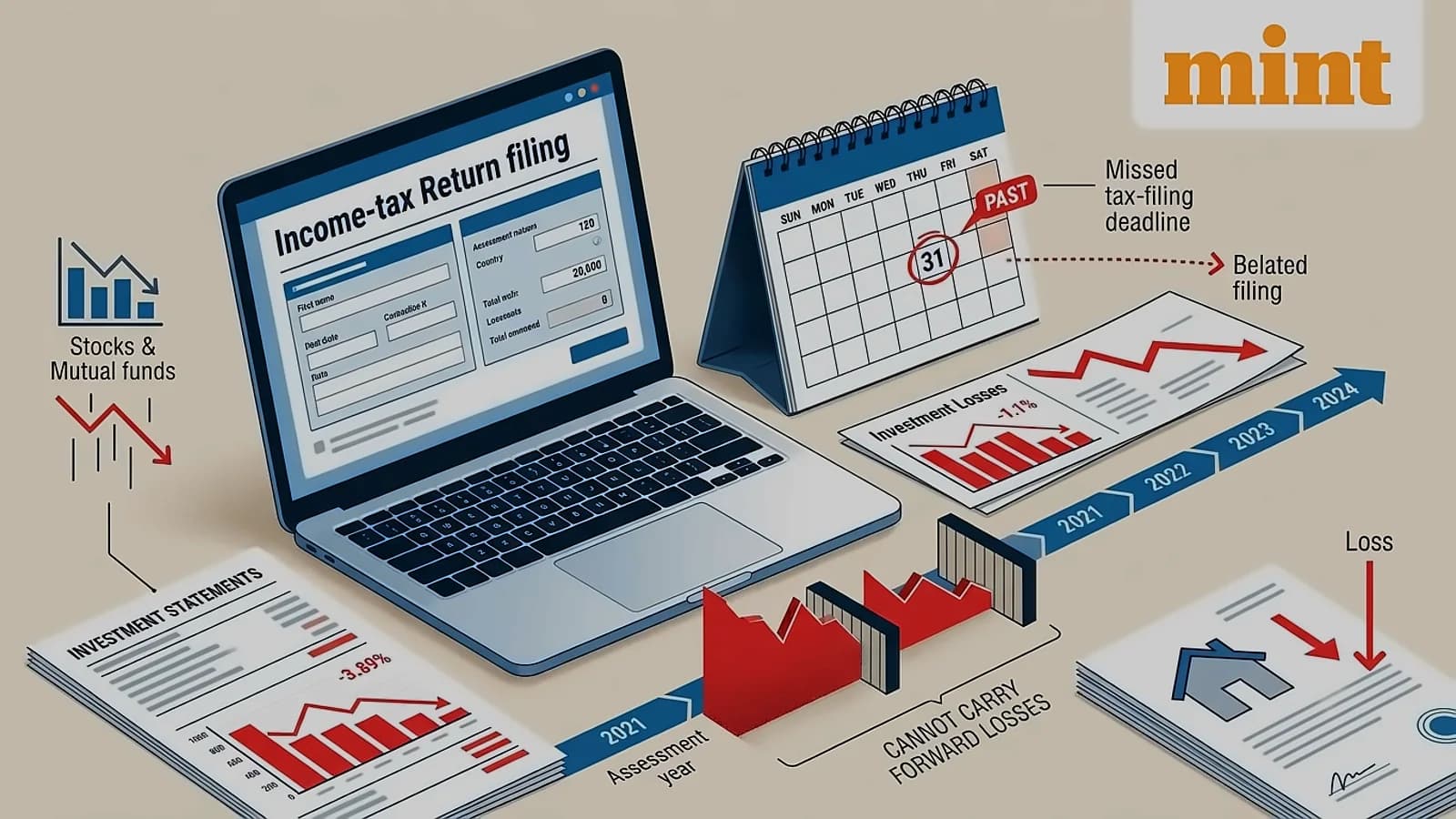
Unlike capital losses, house property losses can be carried forward for up to eight years even if the original return is filed after the Section 139(1) deadline. According to Mint reports, this distinction allows taxpayers to carry forward eligible losses from house property income against future house-property income. For instance, a ₹3 lakh house property loss from AY 2026-27 can be carried forward for eight years and set off against house-property income in subsequent years. This benefit is particularly valuable for taxpayers with significant house property investments.
The carry forward rules differ significantly by loss type and entity type. Short-term capital losses can be adjusted against both short-term and long-term capital gains, while long-term capital losses can only be used against long-term capital gains. As reported by Mint, eligible capital losses can be carried forward for eight assessment years, subject to the timely-filing requirement. Business losses cannot be carried forward if the ITR is not filed by the due date, representing a significant tax benefit that is lost permanently due to missed deadlines. This distinction means that while a belated return can allow current-year losses to be set off, the rules for carrying unabsorbed losses into future years depend on both the specific type of loss and the entity type filing the return.