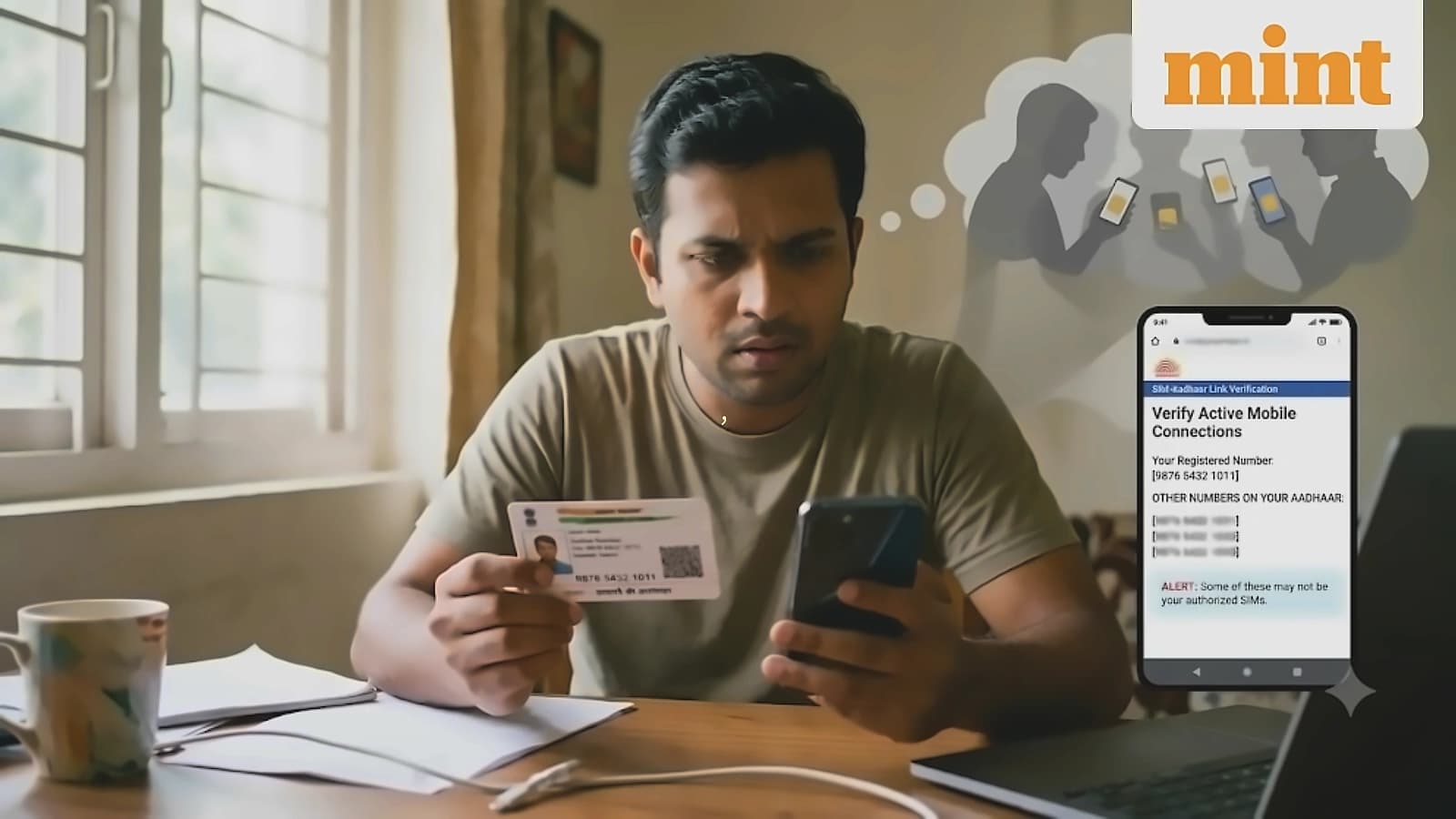
An SEBI Registered Investment Adviser has issued a critical warning to bank customers about fraudulent messages targeting them. Vinny Arora, a Delhi University Finance Professor and SEBI Registered Investment Adviser, posted a video on Instagram on Saturday to alert users about sophisticated scam operations. According to reports from LiveMint, the professor revealed receiving two identical messages from SBI bank with the same message style, branding, and sender name, which initially appeared genuine but contained subtle differences that revealed their fraudulent nature.
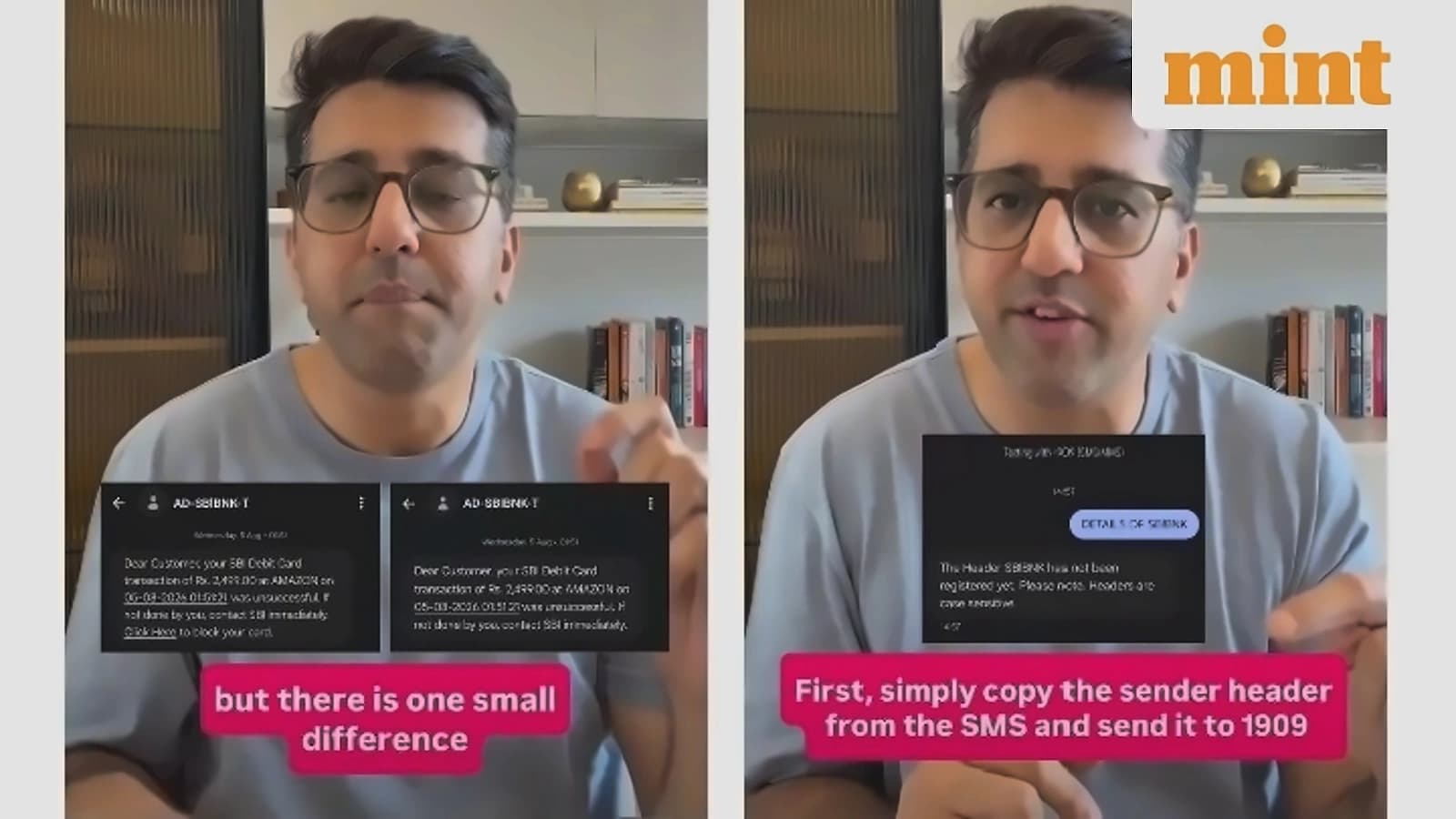
The Investment Adviser outlined specific steps for users to verify SMS authenticity before taking any action. As reported by LiveMint, the first method involves copying the sender header from the SMS and sending it to 1909 to receive a reply about the sender's registration status with TRAI. The professor emphasized that if the sender is unregistered, users should not trust the message or click any links contained within it. Additionally, he recommended using the TRAI SMS Header portal at smsheader.trai.gov.in to verify whether the sender is registered with the Telecom Regulatory Authority of India.
According to the expert's analysis reported by LiveMint, scammers often replace characters with similar-looking alternatives to deceive users. The professor provided an example where a lowercase 'i' is placed instead of an uppercase 'I' in the sender's name, making it difficult for users to notice the difference. He concluded that next time an SMS appears genuine, users should not just trust the sender name but check the header before clicking any links, emphasizing that verification should always precede any action involving banking details or personal information.
The warning has generated significant discussion on social media platforms, with users sharing additional detection methods. As reported by LiveMint, one user suggested that messages containing 'click here' links are typically scams, while another noted that real bank texts will always direct users to contact the bank directly rather than include 'click here' links. The professor's video has been widely shared across social media platforms, highlighting the growing concern about SMS-based banking fraud and the need for enhanced user awareness and verification practices.