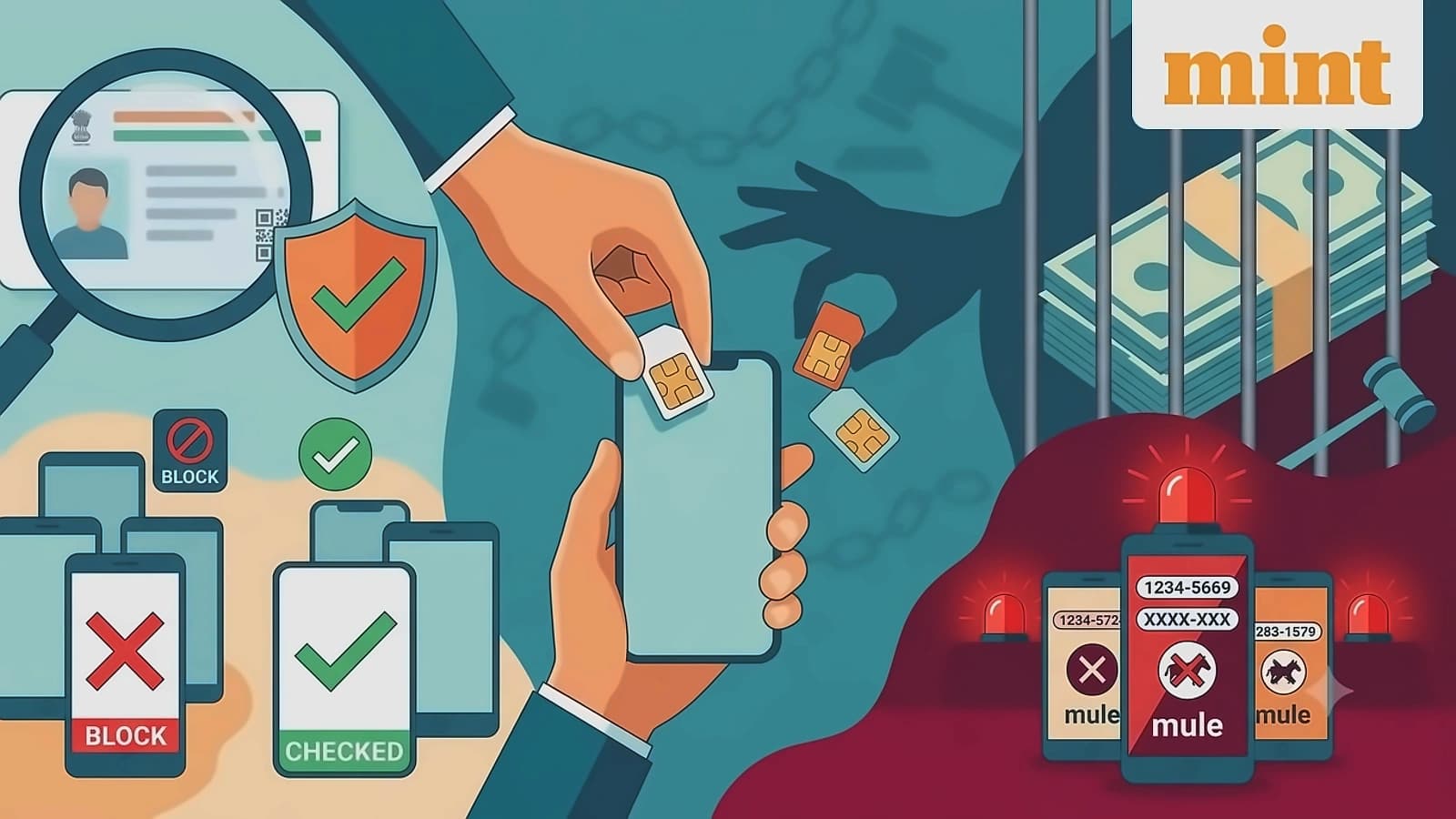
The government has implemented stricter security protocols for mobile connections, making digital Know Your Customer (KYC), or e-KYC, mandatory for obtaining new SIM cards. According to reports from Bhaskar English, the government has also banned the issuance of bulk SIM cards to general consumers as part of measures to prevent telecom-related fraud. These measures come as identity document misuse continues to pose risks to consumers, with fraudsters allegedly purchasing SIM cards using another person's identity documents for fake calls, SMS, social media accounts, or financial fraud. Fraudulent actors frequently exploit leaked or compromised identity documentation to acquire active mobile connections, which are subsequently channelled into financial scams or illegal operations. The government has tightened rules for SIM card issuance, with e-KYC becoming mandatory for new SIMs and bulk SIM sales being completely banned for general consumers.
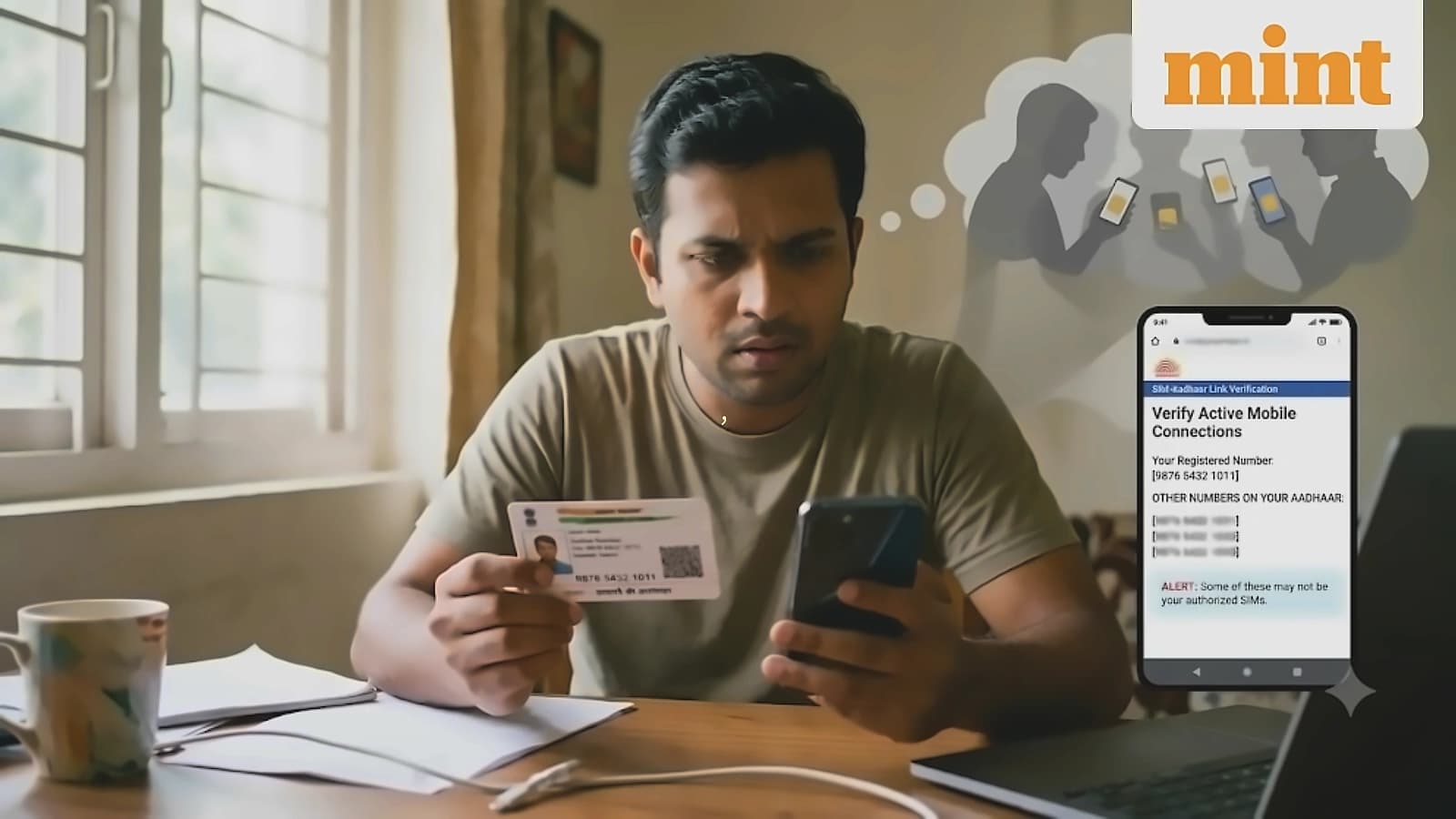
Under Department of Telecommunications (DoT) rules, an individual can have a maximum of nine mobile connections registered in their name using Aadhaar details. As reported by Mint, the limit is six connections for consumers in Assam, the North-Eastern states and Jammu & Kashmir. The government has also introduced stricter rules for re-issuing deactivated mobile numbers, requiring a 90-day waiting period before an inactive number can be allotted to another person. These regulations were created to regulate connections but have become necessary given the increasing misuse of Aadhaar details. Telecom companies accept Aadhaar as a valid proof of identity and address for issuing a new SIM card, making Aadhaar-based verification easier but posing major risks if the ID falls into wrong hands. The growing misuse of Aadhaar details has made it critical for individual citizens to periodically check and review which numbers are linked to their own identity.
The government has introduced the Sanchar Saathi portal to help consumers identify and report unauthorised mobile connections. According to Bhaskar English, the portal includes the Telecom Analytics for Fraud Management and Consumer Protection (TAFCOP) facility, which allows users to check all mobile connections issued in their name and report numbers they do not recognise. The portal enables consumers to verify their registered mobile numbers through a simple verification process, with Telecom Analytics for Fraud Management and Consumer Protection (TAFCOP) being an initiative of the Department of Telecommunications whose main objective is to identify fraudulent SIM connections and provide protection against digital fraud. The Department of Telecommunications (DoT) operates a dedicated digital mechanism designed to help citizens track every mobile connection registered against their identity.
To check mobile connections through the Sanchar Saathi portal, users must visit the official website and select the option to check mobile connections issued in their name. As reported by Bhaskar English, users need to enter their active 10-digit mobile number, complete the captcha code, and complete verification using the OTP sent to their mobile number. Once verified, all mobile numbers registered in the user's name will be displayed, allowing them to report any unrecognised numbers through the portal. The portal also provides immediate reporting and blocking capabilities for unknown numbers, as mobile numbers are directly linked to banking, digital payments, social media, and other online services - if an unknown or fake SIM remains active in your name, fraudsters can breach OTP-based authentication and other facilities. Checking the list of active mobile connections issued in your name involves a straightforward online procedure.
Beyond telecom security, cybersecurity experts recommend regular digital hygiene to prevent identity misuse. Users can utilise official portals managed by the Unique Identification Authority of India (UIDAI) to lock biometric authentication features or review authentication histories. Reviewing active subscriptions periodically ensures swift detection of fraudulent activity before it translates into security or financial liabilities. Regular digital hygiene includes reviewing active subscriptions periodically to ensure swift detection of fraudulent activity. Mobile numbers are increasingly tied to banking services, digital payments, social media, and other associated online services and critical transactions, making compromised mobile connections a serious security concern.