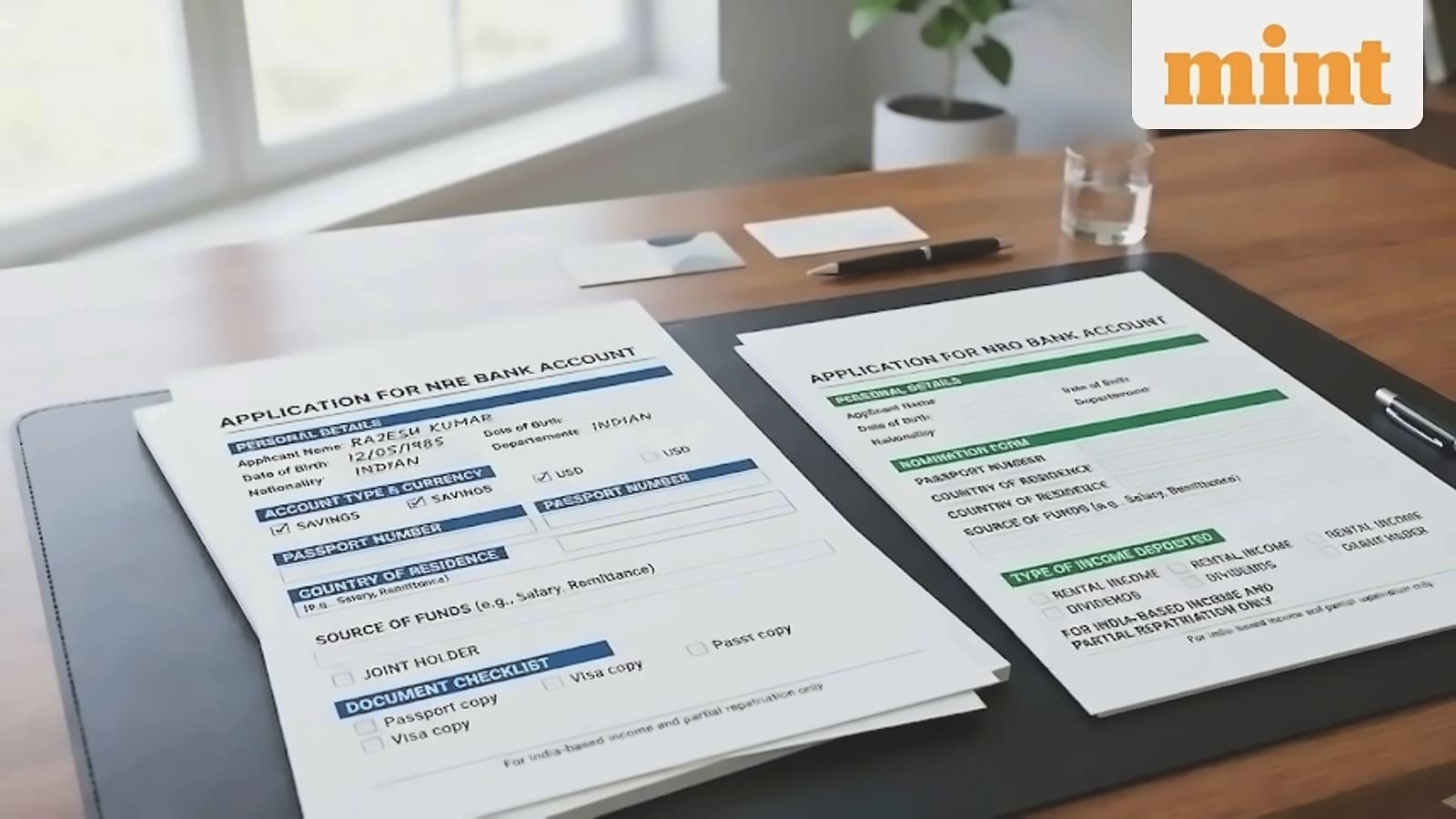
According to reports from Mint, Indians relocating abroad must convert their resident savings accounts to NRO (non-resident ordinary) accounts due to banking regulations. Under Indian banking regulations, a person's residential status determines the type of bank account they can hold, meaning once a person leaves India for work, higher education, or business opportunities, they are treated as non-resident Indian (NRI) and must convert their normal resident savings account into a special NRI account. Failure to do so can lead to compliance issues and technical FEMA non-compliance if the account continues operating under the wrong residential status.
As reported by Mint, an NRI is not supposed to continue operating a normal resident savings account after shifting abroad as per FEMA rules. Bhargav Baisoya, Legal Associate at Jotwani Associates, explained that failure to convert the account can amount to a regulatory violation, though banks and regulators usually treat genuine oversight differently from deliberate misuse. Serious penalties are imposed only in cases involving large undisclosed funds, suspicious transactions, or intentional concealment. If the bank was never informed that the person had shifted abroad, the account would have continued under resident rules, creating a mismatch in tax treatment for those years.

According to Mint reports, people who moved abroad earlier can resume using the same bank account after returning to India, but the account must first be regularized with the bank. The individual would usually need to inform the bank about their return, update their KYC documents, and get the account converted back into a regular resident account before resuming normal operations. In ordinary cases involving small balances and no suspicious transactions, banks generally allow the account to be regularized and used again without major difficulty.
As reported by Mint, if you fail to convert your savings account to an NRO account after becoming an NRI, the money in it does not disappear, but there can be tax and compliance issues because banks apply different rules to residents and NRIs. The expert noted that even if occasional transactions were made by family members who are residing in India, the money still belongs to the account holder, making it a technical FEMA non-compliance issue. In most cases, banks allow the account and FD to be regularized once the person returns to India.