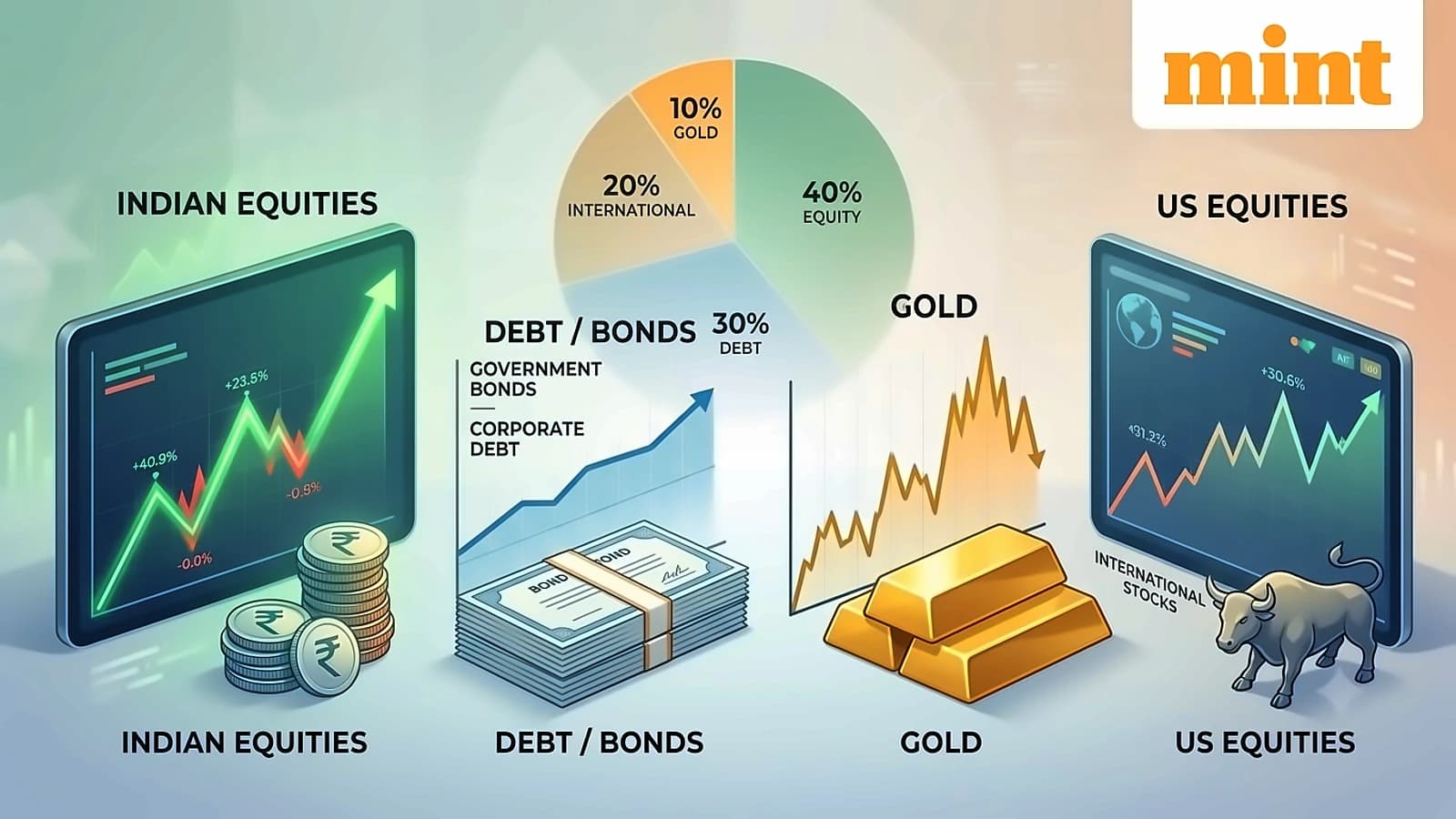
For decades, portfolio construction followed a simple framework: equities for growth, bonds for income and stability, with an allocation to gold or real estate for further diversification. According to reports from Dalal Street Investment Journal, this was the bedrock of 20th century wealth management. However, as more economic value has shifted outside public markets, this framework, while still relevant, is no longer sufficient on its own. A new layer has moved from the periphery to the centre: alternative investments.
According to the report, alternative investments refer to assets outside listed equities, fixed income, and cash. This includes private equity, venture capital, hedge funds, and real assets such as infrastructure, commodities, and structured credit. In India, alternatives flow through Category I (venture capital, SME, infrastructure), Category II (private equity, private credit), and Category III (long-short or hedge fund-like strategies) under AIF regulations. Additionally, Indian residents can allocate up to USD 250,000 per family member annually through the Liberalised Remittance Scheme (LRS), opening access to global alternatives. The report notes that AIF commitments have grown at a 50% compounded annual growth rate over the past decade.

As reported by Dalal Street Investment Journal, private equity and venture capital provide access to companies before they list, typically targeting a net IRR of 4-5% above public markets in exchange for illiquidity. Private credit offers higher yields, often with structural protections absent in listed debt. The report highlights that the return gap between top- and bottom-quartile private equity managers routinely exceeds 15 percentage points annually. Unlike public markets where information is abundant and pricing corrects quickly, private markets offer no such discipline, making manager selection crucial.
According to the analysis, the argument for alternative inclusion rests on three key considerations: enhanced risk-adjusted returns, diverse payoff profiles, and capturing value creation. With global private-markets AUM now exceeding USD 15 trillion, the centre of gravity for value creation has shifted to the private domain. The report notes that many high-growth companies stay private longer, and waiting for an IPO often means missing their most explosive growth phase. Examples like Anthropic, OpenAI, and SpaceX demonstrate how billions in private capital are deployed while these companies scale without public-market scrutiny constraints.
As reported by Dalal Street Investment Journal, these benefits come with real trade-offs including illiquidity, as capital can be locked for 7-10 years in underperforming vintages. The report emphasizes that the 'democratisation' story remains early in India, with the gap between institutional and individual investor access still material. Investors must also account for tax implications, as the post-tax yield on certain AIF categories can differ significantly from listed securities. The analysis suggests that the 'Endowment Model' pioneered by institutions like Yale demonstrates that a 15-20% allocation to alternatives can reduce drawdowns and moderate volatility.
Real Estate Investment Trusts (REITs) and Infrastructure Investment Trusts (InvITs) are emerging as more attractive investment avenues, driven by a broader listed universe, stronger pipeline, and growing interest from wealthy Indians and family offices. According to Avendus Wealth Management, family offices are moving towards REITs and InvITs, driven by comfort that they are backed by real assets, regulatory supervision, with more than 80% of assets being revenue-generating, thus reducing construction risk. The Nifty REITs & InvITs Index has gained 11% in 2024, 20% in 2025, and more than 47% so far in 2026. The unitholder base of India's first listed REIT, Embassy Office Parks REIT, has expanded 34-fold over the past seven years, from around 4,000 at listing to more than 135,000.