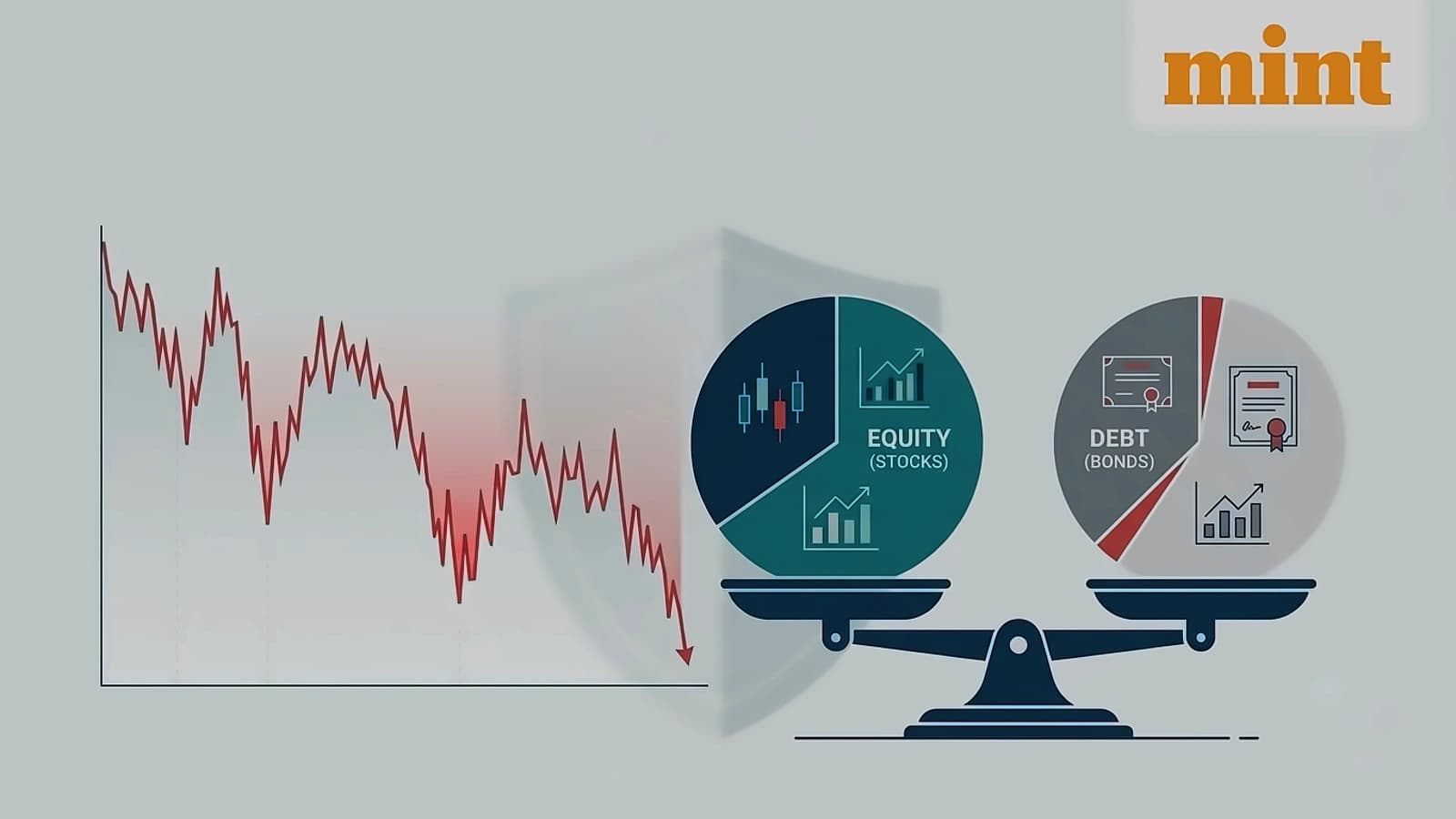
According to a comprehensive study by WhiteOak Capital Mutual Fund, the performance of Indian equities, debt, gold, and US equities over the past 16 financial years reveals significant variations in returns. The study tracked the BSE Sensex TRI for domestic equities, CRISIL Short Term Bond Index for debt, MCX Gold in rupee terms, and S&P 500 TRI in rupee terms from FY2011 through FY2027 year-to-date. As reported by Mint, Indian equities experienced sharp volatility with their weakest performance coming in FY2020 with a 22.9% decline, while FY2021 marked their strongest year with 69.8% returns.
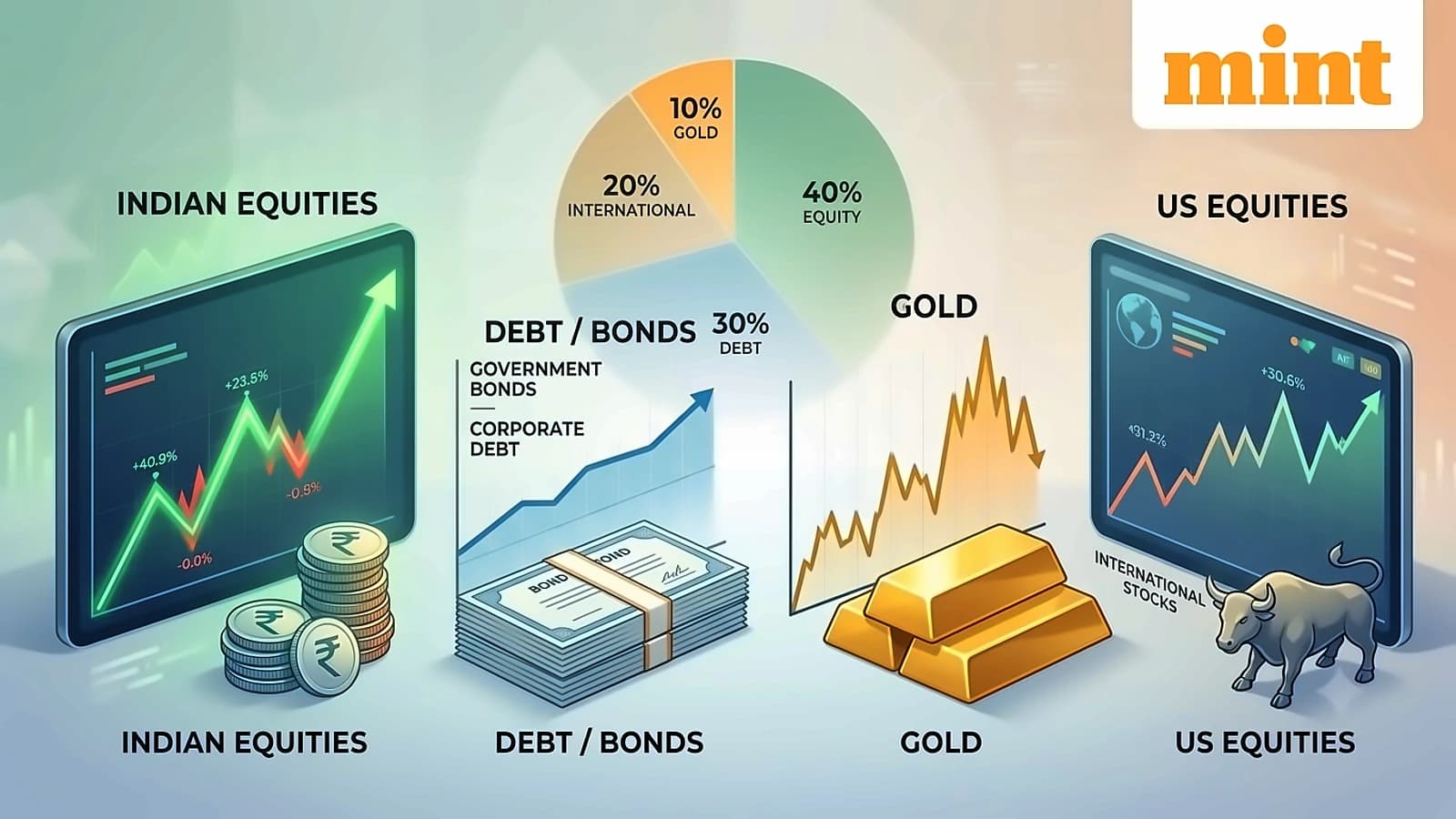
Debt emerged as the most consistent performer across the four asset classes, with the CRISIL Short Term Bond Index recording no negative annual returns during the study period. According to the analysis, debt's highest return was 10.3% in FY2015, while its lowest was 4.2% in FY2023. Gold showed volatile performance, falling 8.3% in FY2015 but delivering exceptional gains of 64.8% in FY2026, making it the strongest annual performer among the four asset classes that year. Recent analysis suggests gold should constitute approximately 10% of investment portfolios for enhanced diversification, as it tends to hold up or gain when equity markets are under stress and performs well during inflation-driven bond yield rises.
US equities demonstrated remarkable resilience with the S&P 500 TRI recording only one negative year: FY2023 with a 1.5% decline. As reported by Mint, the strongest performance came in FY2021 with 51.8% returns. Since the index is measured in rupee terms, these returns reflect both US equity market performance and currency movements. The study notes that US equities delivered the highest CAGR among the four asset classes at 19.6% over the period.
The study recommends a balanced allocation strategy across the four asset classes, suggesting 25% to Indian equities, 45% to debt, 25% to gold, and 5% to US equities. According to the analysis, this allocation delivered an 11.4% CAGR over the study period. Recent investment guidance emphasizes that gold deserves a deliberate, planned allocation of about 10% of every portfolio for enhanced diversification, as it provides a hedge against currency depreciation and smoothens overall portfolio volatility. The study notes that increasing allocation to higher-returning assets like US equities could potentially boost portfolio returns, while investors prioritizing stability and lower volatility may consider higher debt allocations given debt's consistent performance record.
There are several routes to gold investment including Sovereign Gold Bonds offering 2.5% annual interest, Gold Exchange Traded Funds, Gold Funds from mutual funds, and recently introduced Electronic Gold Receipts (EGRs) which are SEBI-regulated securities representing direct ownership of physical gold. As per recent analysis, gold has corrected meaningfully from earlier year peaks but maintains technical support levels. The rupee's long-term depreciation against the dollar provides additional tailwinds for gold returns in India, while global central banks continue adding gold to reserves amid geopolitical uncertainties. The underlying point remains that gold is not a speculative add-on but a structural building block of well-constructed portfolios.