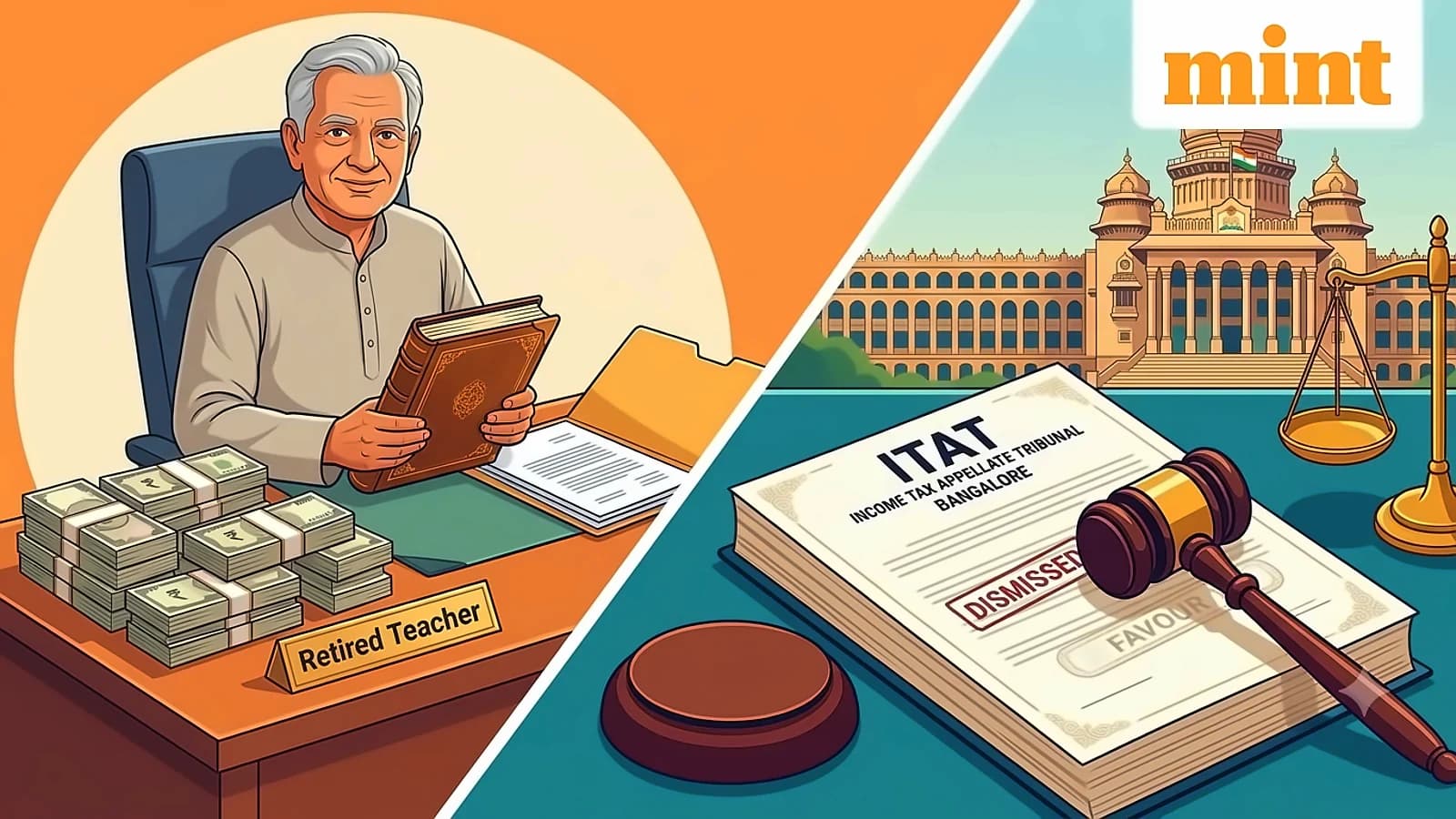
A retired teacher who worked until 62 years of age instead of retiring at the prescribed 60 years has secured a significant legal victory. According to reports from The Times of India, the woman joined an educational institution in Faizabad as an assistant teacher on August 16, 1992, and continued working until March 31, 2019, when she retired at 62 years of age. However, the institution declined to pay her gratuity, arguing that the prescribed retirement age was 60 and she had remained in service until she was 62.
On September 13, 2023, the Principal Secretary of the Uttar Pradesh Government's Minority Welfare Department rejected her gratuity claim, based solely on her continued service beyond the age of 60. As reported by The Times of India, the retired teacher challenged this decision in court, arguing that working beyond the prescribed retirement age should not deprive her of gratuity. Her challenge succeeded on September 30, 2026, when the Allahabad High Court directed the educational institution to pay her outstanding gratuity immediately, along with interest at 6% from 2019.

According to the Allahabad High Court ruling reported by The Times of India, the institution had refused to pay gratuity by relying on government orders and rules, alleging that the employee had failed to exercise her option to receive gratuity within the stipulated period. However, the court observed that the teacher had been allowed to continue working until age 62 and had received all other retirement benefits admissible to her. The court noted that merely citing applicable government orders was insufficient to settle the question of gratuity entitlement, particularly since the issue had been examined authoritatively by both the Allahabad High Court and the Supreme Court. The court emphasized that once it had examined the legal effect of continuation in service for the extended period and held that such circumstances cannot furnish a valid basis for denial of gratuity, the institution is required to examine the claim in light of this legal position.
Advocate Mayank Parashar of law firm Clasis Law explained to The Times of India that Indian labour laws traditionally place employees' social security interests at the centre. Under both the new Labour Codes and earlier legal framework, the circumstances in which gratuity can be denied are restricted. Parashar noted that continuing in employment beyond the retirement age with the employer's permission does not constitute a valid ground for disqualification. He emphasized that the ruling extends significance to establishments more broadly, including private-sector employers, requiring employers to have clear and legally defensible reasons before withholding social security benefits. The Allahabad High Court also cited a Supreme Court case and said that gratuity is a benevolent scheme and upheld its payment to eligible employees.