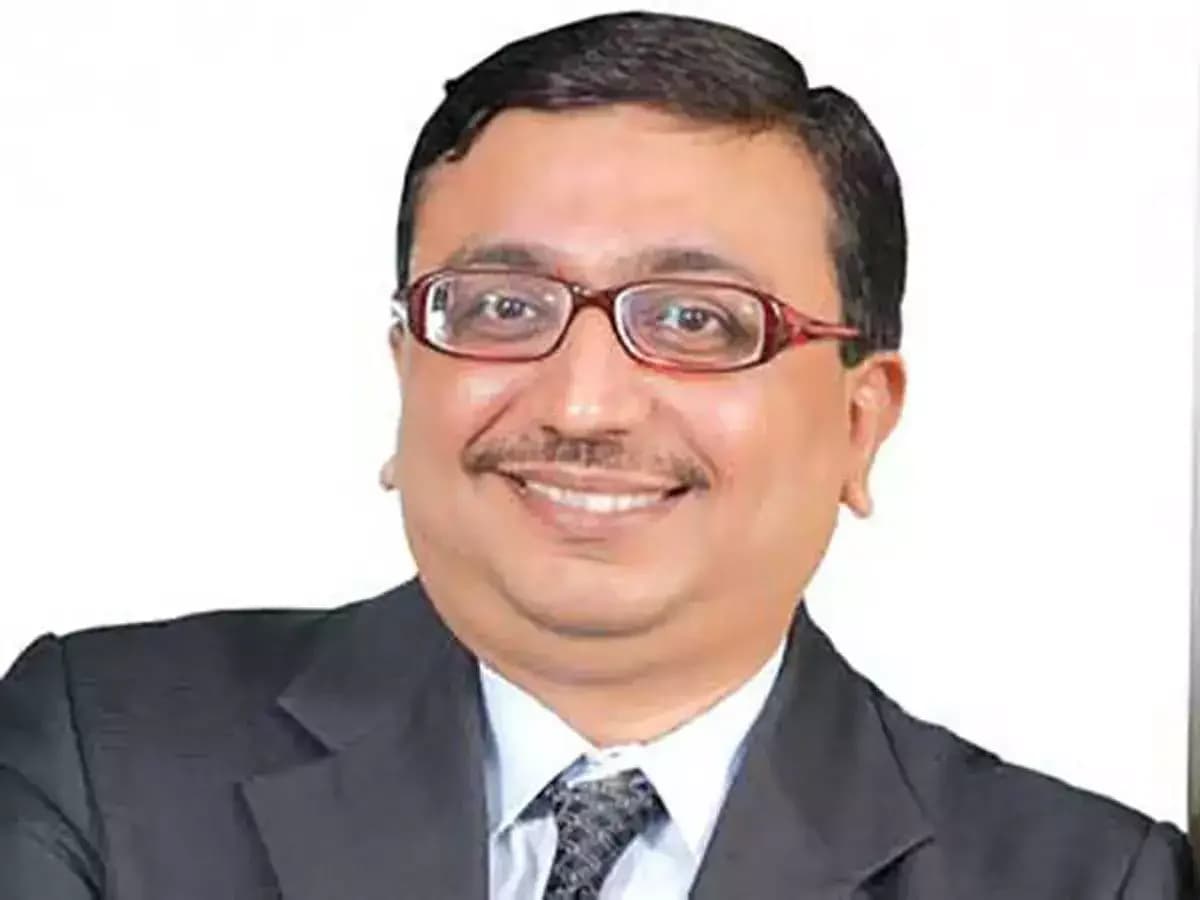
Market expert Sunil Subramaniam believes the current market volatility presents a meaningful opportunity for long-term investors, particularly as Friday's dramatic intraday reversal was technically engineered rather than fundamentally driven. According to ETMarkets.com, he described the present environment as both interesting and volatile, but one where investors should begin accumulating stocks in a staggered manner. He highlighted that this is the third consecutive April—2024, 2025, and now 2026—when markets are hovering around similar levels despite earnings growth of nearly 10–12% over the past two years. This divergence suggests that markets have already undergone a significant correction in terms of valuations, and much of the downside risk appears to be priced in.
As reported by ETMarkets.com, Subramaniam noted that valuations, currently at around 17–18 times FY27 earnings, appear reasonable, especially under his assumption that earnings growth could remain flat between FY26 and FY27 due to risks such as rising oil prices. He emphasized a disciplined approach to investing—allocating capital in parts rather than all at once. For instance, deploying 10–15% of funds at current levels and adding more on further declines allows investors to navigate uncertainty without trying to perfectly time the market bottom. He cautioned that volatility is far from over, with geopolitical tensions capable of triggering sudden market swings.
According to the expert's analysis reported by ETMarkets.com, Subramaniam expressed strong confidence in banking stocks, particularly private sector lenders. He noted that these stocks have underperformed over the past two years and are now trading at valuations not seen in 4 to 5 years, despite maintaining healthy earnings growth of 12–15%, strong capital positions, and stable asset quality. He also sees a short-term trading opportunity in the IT sector, where he expects a potential upside of 10–15% over the next three months. For the automobile sector, he prefers Mahindra & Mahindra as his top pick for those looking to play the consumption theme. His near-term conviction lies in BFSI and consumer discretionary sectors, with summer demand driving consumer durables and high-end retail, while credit growth through NBFC and bank EMIs sustains the consumer discretionary theme.
As reported by ETMarkets.com, Subramaniam maintained a positive stance on InterGlobe Aviation, calling current levels favourable for buying. However, he advised caution on retail stocks, suggesting that while existing investors can continue to hold positions, fresh investments may be better directed toward sectors offering more attractive valuations. He recommended a wait-and-watch approach in the pharma sector due to potential disruptions from global developments, particularly the possibility of tariffs being discussed by former U.S. President Donald Trump. Regarding PSU banks, while he acknowledged recent corrections have made them more attractive, he views them primarily as short-term trading opportunities rather than long-term investment bets. On defence, despite record exports of ₹35,000 crore, he stays on the sidelines, calling valuations "a little bit overvalued still".
According to the expert's comments reported by ETMarkets.com, Subramaniam's strategy reflects a balanced and pragmatic outlook. He believes the broader correction has already played out, with his core message to investors being to avoid trying to predict the exact bottom, focus on fundamentally strong yet undervalued sectors like banking, participate selectively in tactical opportunities such as IT, and most importantly, build positions gradually. In a market defined by uncertainty, he suggests that consistency and discipline, rather than aggressive timing, will ultimately drive better outcomes. He urged investors to stay away from high-valuation stocks across the board, stressing that with several sectors now available at reasonable prices, there is little justification for chasing expensive names. The upcoming earnings season will be closely watched for commentary on internal AI cost reduction, a shift from per-employee to per-outcome pricing models, and deployment plans for large cash reserves sitting on IT balance sheets.